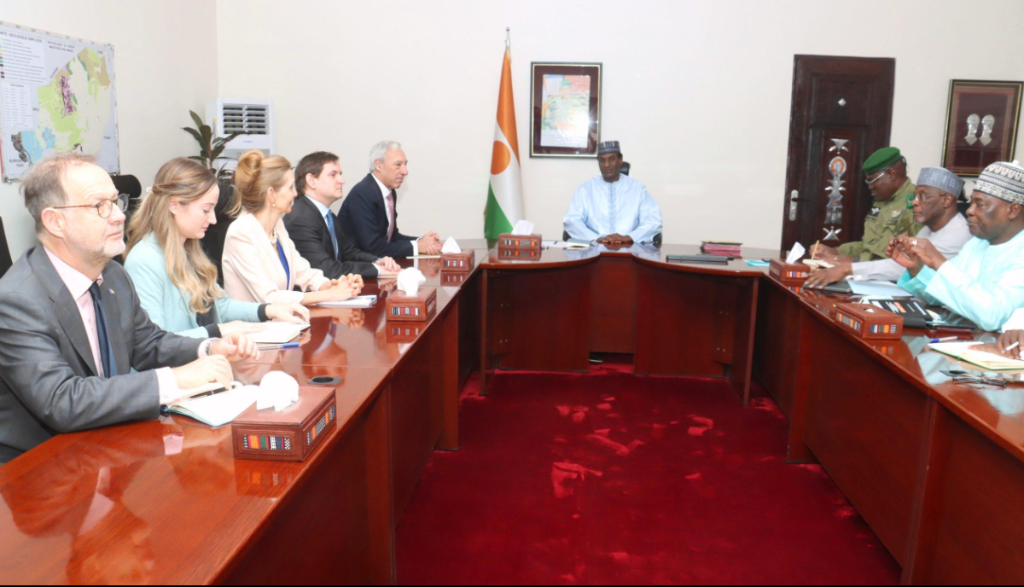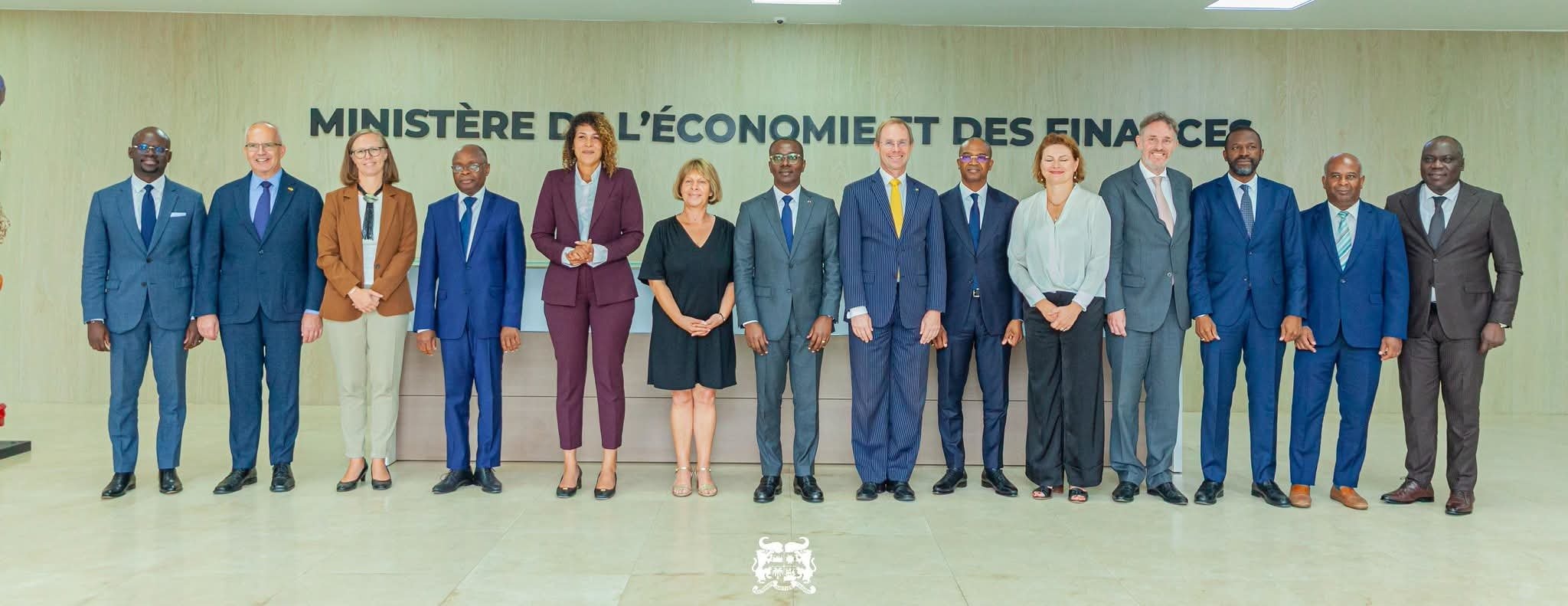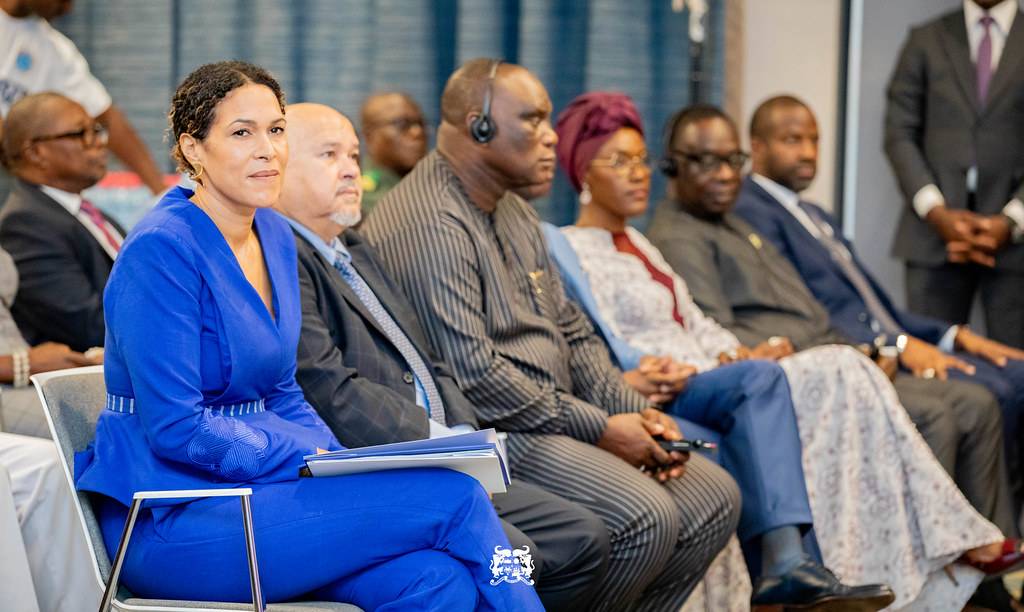
This Monday 13 July 2026, Cotonou emerged as the epicenter of a bold new geopolitical vision as ministers and high-level delegations from the African Atlantic States Process (AASP) gathered to redefine the region’s economic and security future. Hosted by Benin in partnership with Morocco, the 7th ministerial meeting of the AASP marked a decisive turning point in regional integration, uniting coastal nations from West and Central Africa in pursuit of shared prosperity.
Uniting against common threats along Africa’s Atlantic coast
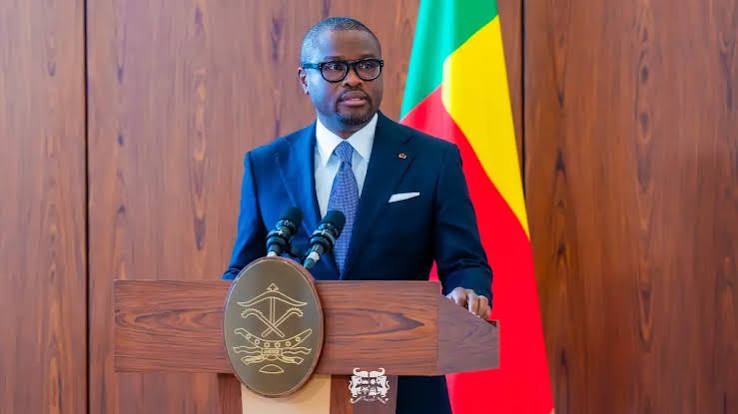
The vast Atlantic coastline of Africa is not only a vital artery for trade and natural resources but also a frontline facing complex security and environmental challenges. Pirate attacks, illegal fishing, cross-border trafficking, and the accelerating impacts of climate change on coastal communities threaten both regional stability and economic growth. In her opening address, Benin’s Foreign Minister, Corinne Amori Brunet, emphasized the need for collective action:
« The security, economic, climate, and energy challenges we face do not recognize borders. They demand a unified, collaborative response. Benin is committed to fostering strategic partnerships that transform our Atlantic space into a driver of shared peace and prosperity. »
This call for solidarity reflects a broader strategic shift: moving beyond isolated national efforts to build a robust framework for maritime security and economic resilience across the Atlantic façade.
Green logistics and energy transition: The pillars of a new economic model
The summit placed particular emphasis on sustainable development as a catalyst for economic transformation. Three core priorities emerged:
- Maritime security: Strengthening patrols, intelligence-sharing, and legal frameworks to combat piracy, illegal fishing, and unregulated maritime activities that undermine regional trade.
- Green logistics corridors: Modernizing port infrastructure with low-carbon technologies, streamlining customs procedures, and improving connectivity to reduce trade costs and boost intra-African commerce.
- Sustainable energy transition: Leveraging the Atlantic’s vast potential in renewable energy—offshore wind, solar, and green hydrogen—to enhance energy sovereignty and position Africa as a clean energy exporter.
These corridors are designed not only to reduce carbon footprints but also to unlock new industrial opportunities, foster job creation, and enhance Africa’s global competitiveness. By integrating green technologies into logistics and energy systems, AASP member states aim to build a resilient, future-oriented economy anchored in sustainability.
Morocco and Benin: Driving a panafrican vision forward
Launched in Rabat in 2022, the AASP has rapidly evolved into a key platform for South-South cooperation. Mohamed Methqal, Director-General of Morocco’s International Cooperation Agency (AMCI), highlighted the kingdom’s long-term commitment during the Cotonou meetings:
« The Atlantic is not merely a border—it is a strategic space for economic integration and connectivity. Morocco remains dedicated to supporting concrete projects that deliver tangible benefits to local communities and unlock Sahelian countries’ access to global markets. »
The high-level participation—including delegations from Cape Verde, Gambia, Togo, Ghana, Nigeria, Angola, Ivory Coast, Senegal, Democratic Republic of Congo, Gabon, Cameroon, Equatorial Guinea, and Mauritania—underscores the growing influence of the AASP. This bloc represents a significant share of Africa’s population and economic output, signaling that the continent’s future prosperity is increasingly tied to its Atlantic identity.
The Cotonou Declaration: From words to action
The summit concluded with the unanimous adoption of the Cotonou Declaration, a practical roadmap designed to translate high-level commitments into measurable results. Key provisions include:
- Intensified maritime intelligence exchange to monitor and neutralize security threats.
- Harmonization of coastal environmental laws to protect fragile ecosystems.
- Facilitation of cross-border investments in green infrastructure and renewable energy projects.
For Benin, the summit reinforces its role as a diplomatic hub in West Africa. This initiative aligns with the strategic vision of President Romuald Wadagni, who has positioned Benin as a leader in sustainable development and regional integration. By embracing multilateral cooperation, Benin is advancing a model of economic resilience rooted in global engagement and collective action.
The road ahead is ambitious. With technical implementation now underway, the focus shifts to delivering the first green logistics corridors—tangible symbols of a united, prosperous, and self-determined Atlantic Africa.