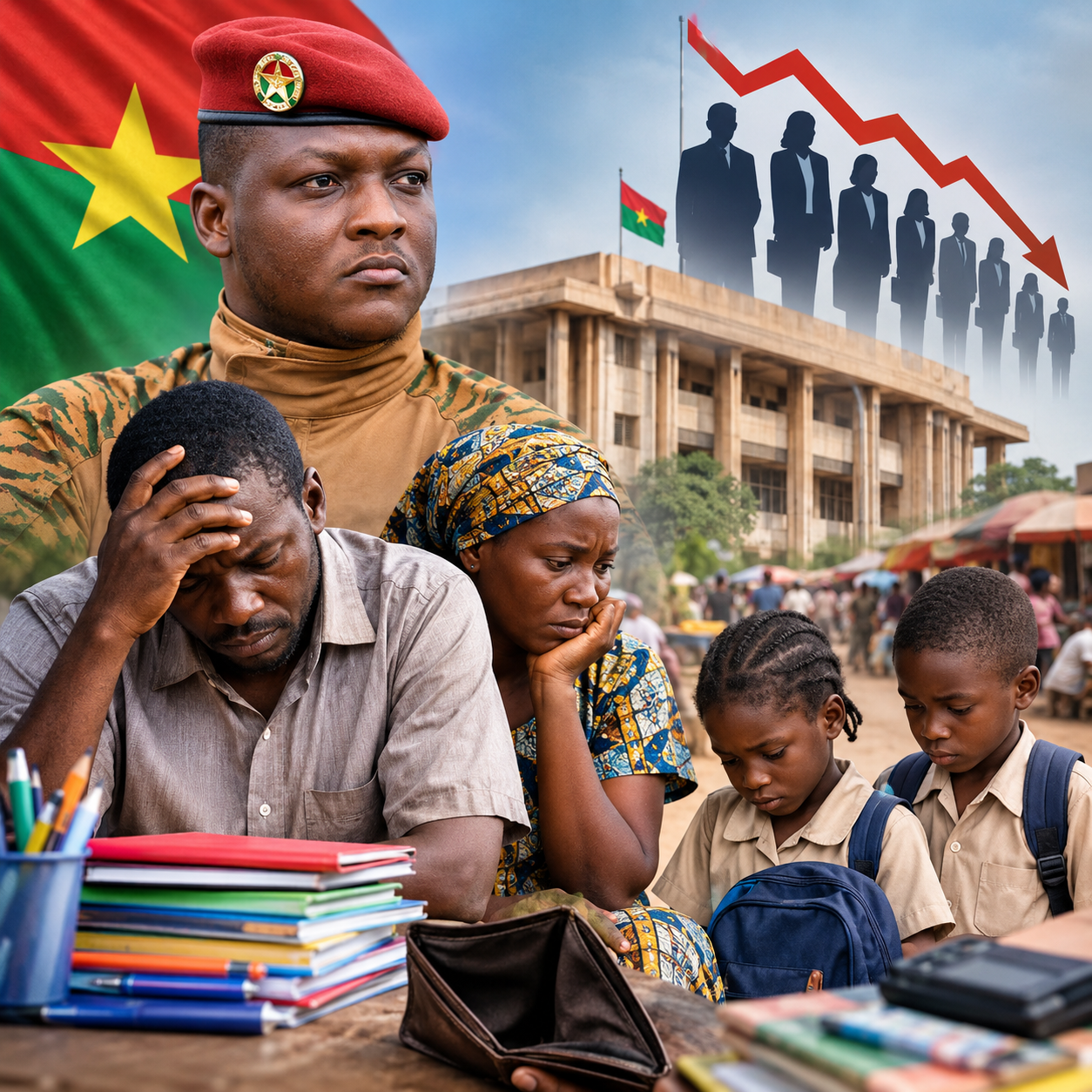
With just two weeks left before the Tabaski festival, Burkina Faso’s abrupt suspension of all livestock exports has left Côte d’Ivoire scrambling to secure 172,000 animals—at a time when traditional suppliers are tightening their borders. Behind the economic move lies a calculated diplomatic signal that reverberates across West Africa.
The order came into force on May 11, 2026, after a joint decree from Burkina Faso’s Ministries of Trade, Agriculture, and Economy halted the issuance of Special Livestock Export Permits (ASE). Holders of existing permits had just one week to complete their shipments. From that point forward, no cattle, sheep, or goats would legally cross Burkina Faso’s borders.
Ouagadougou framed the decision as a necessary step to ensure sufficient local supply ahead of Tabaski, stabilize prices, and protect household purchasing power. But in Abidjan, the move feels like a strategic strike. Côte d’Ivoire’s annual demand for Tabaski alone stands at 172,000 head of livestock, with total needs potentially reaching 350,000 when including all sheep and cattle. Yet domestic production covers only about 25% of this requirement—leaving the nation heavily reliant on Sahelian imports from Burkina Faso, Mali, Niger, and to a lesser extent, Benin.
Côte d’Ivoire’s supply chain under threat
At the Yamoussoukro livestock market, traders have felt the squeeze for weeks. « Prices have risen by 10% compared to last year, » reports Mohamed Touré, spokesperson for Interprix in Yamoussoukro. He attributes the strain to insecurity across the Sahel: « Mali is no longer exporting due to war, Burkina Faso has now joined the block, and without Niger’s supply, Côte d’Ivoire would face severe shortages. »
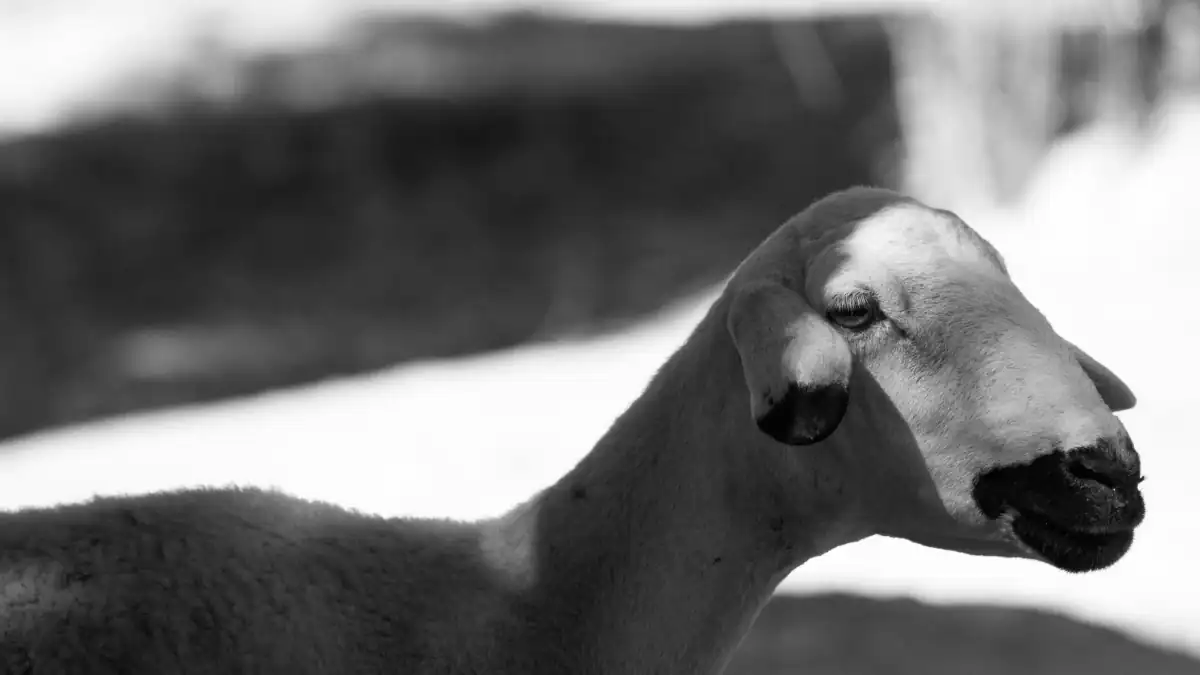
In response, the Ivorian government convened top religious leaders on May 11, urging Muslim communities to adapt by selecting smaller local sheep for sacrifice—a cultural shift that clashes with tradition, as Sahelian breeds are widely preferred for their size and quality.
A strategic pivot in Burkina Faso’s export policy
This isn’t an isolated decision. It aligns with a broader strategy by Burkina Faso and its partners in the Alliance of Sahel States (AES)—Mali and Niger—to prioritize domestic food security and value-added exports. In 2024, Burkina Faso’s live animal exports surged to 11.8 billion FCFA, making livestock its third-largest export. Yet the government is now pushing to transition from exporting live animals to processed meat, with the Faso Abattoir Agency—launched in April 2025—leading the charge.
Officials argue the suspension reflects a deliberate move toward economic sovereignty. But the timing raises questions. Five months earlier, in December 2025, Ivorian and Burkinabè officials had pledged to « consolidate trust » and strengthen economic ties. Now, Ouagadougou’s firm stance—amid strained bilateral relations since the 2022 coup—suggests a calculated message to Abidjan.
Diplomatic tensions or pragmatic policy?
The suspension follows months of worsening relations. Burkina Faso has accused Côte d’Ivoire of harboring « destabilizers » and recalled its diplomats in late 2024. While no official link has been drawn between the livestock ban and political tensions, the timing is striking. It comes just weeks after the April 2026 death in detention of Burkinabè activist Alino Faso, which further strained ties.
The coming weeks will reveal the true intent behind the measure. If Ouagadougou lifts the suspension shortly after Tabaski, the food security argument will hold. But if the ban persists, it may signal a deliberate economic lever against Abidjan. Until then, markets in Yamoussoukro, Abidjan, and Bouaké must brace for disruption—and Ivorian families preparing for Tabaski will face difficult choices.