A French national has been held in Senegal for over three months under harsh anti-LGBTQ+ laws introduced this year. The 30-year-old engineer, based in Dakar, was arrested on February 14 on charges including “unnatural acts,” conspiracy, and money laundering.
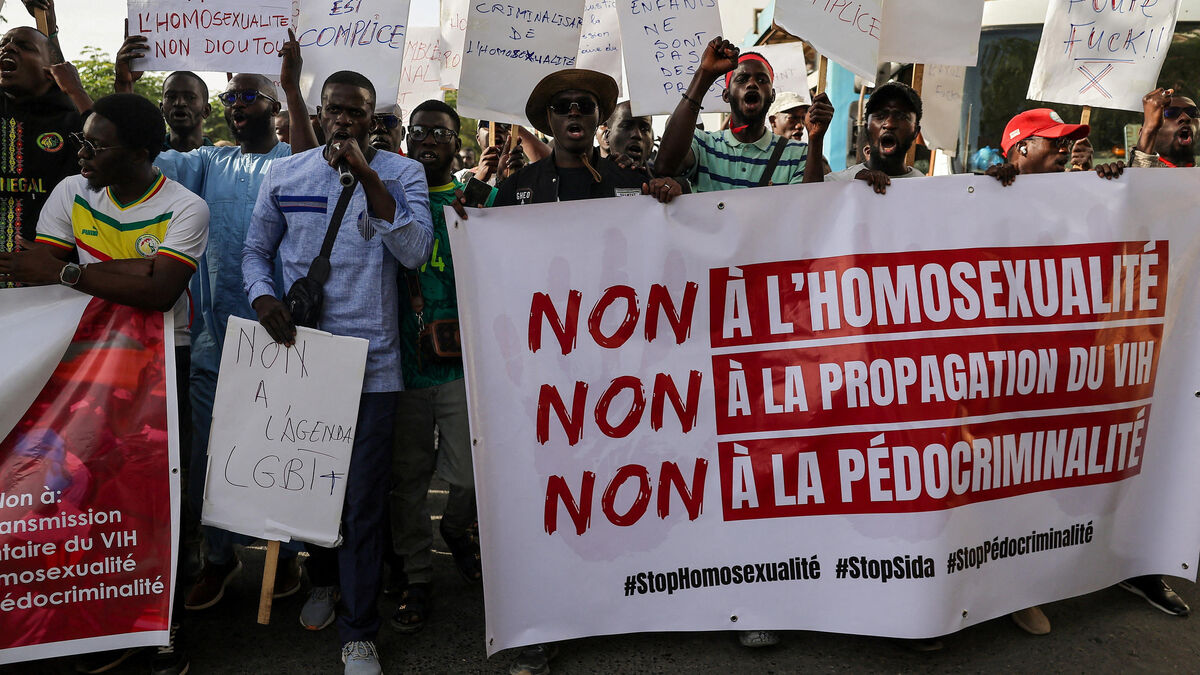
The arrest follows a sweeping crackdown in the predominantly Muslim nation, where a new law passed in early March now imposes prison sentences of five to ten years for same-sex relations. The legislation was signed into law by President Bassirou Diomaye Faye on March 31, reflecting a broader wave of homophobia sweeping the country.
France monitors detention amid diplomatic pressure
French authorities have closely tracked the case since the arrest. The French embassy in Dakar has conducted multiple consular visits to the detainee, while maintaining regular contact with family members. Diplomatic sources confirm that Paris remains actively engaged in monitoring the situation and advocating for the individual’s rights.
The French government has reaffirmed its commitment to universal human rights, emphasizing the need for the decriminalization of homosexuality worldwide and the protection of LGBTQ+ individuals from discrimination based on sexual orientation or gender identity.
Senegal’s anti-LGBTQ+ laws fuel growing crisis
Senegal’s legal shift comes amid a surge in arrests targeting individuals suspected of same-sex relations. Public sentiment and political rhetoric have increasingly framed LGBTQ+ identities as socially deviant, with government officials framing stricter enforcement as a key policy priority.
The recent law has drawn international criticism, with human rights advocates warning of its potential to deepen stigma and violence against sexual minorities in a country where conservative social norms hold significant influence.
What’s next for the detainee
The legal process is ongoing, and the defendant faces serious penalties under the revised penal code. Observers expect further developments as the case unfolds, with diplomatic and legal channels remaining actively involved to ensure fair treatment and due process.