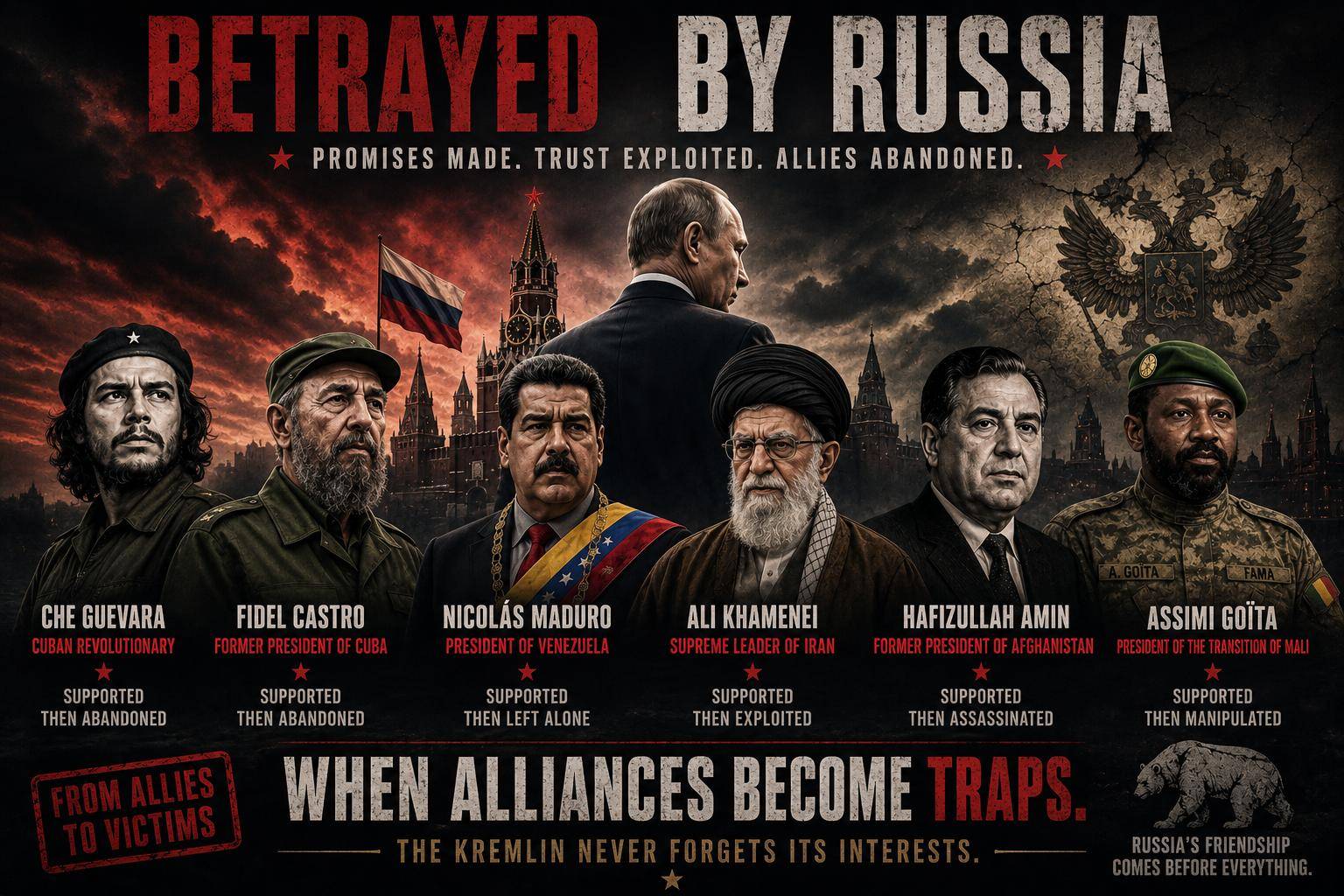
The Kremlin’s diplomatic playbook has taken on a striking new dimension: silence. As Moscow’s strategic partners worldwide face mounting crises, the Russian government’s response has become a masterclass in calculated restraint rather than the expected show of solidarity. This deliberate mutism is not a sign of weakness—it is a carefully crafted strategy with far-reaching implications.
Why silence is Moscow’s go-to move when allies struggle
When a country closely aligned with Russia encounters military setbacks, internal unrest, or mass protests, the first reaction from the Russian Foreign Ministry is rarely a bold statement of support. Instead, it is a deafening lack of response. Observers have noted this pattern with increasing frequency: a complete absence of official commentary, no public gestures of reassurance, and zero rhetorical reinforcements. This approach starkly contrasts with Russia’s usual assertive stance on the global stage.
The art of strategic detachment
International relations analysts view this silence not as an accidental oversight but as a deliberate tactic. The Kremlin’s guiding principle is simple: wait and assess. By remaining publicly silent, Russia avoids tying its own prestige and credibility to an ally that may be on the verge of collapse. This calculated distance provides Moscow with maximum flexibility.
If the troubled partner manages to stabilize the situation independently, Russia can resume its supportive stance as if no time has passed. However, if the ally faces an irreversible downfall, the initial silence ensures that Moscow is not dragged down with them. In such cases, the lack of early engagement allows Russia to quietly initiate backchannel discussions with emerging power brokers, positioning itself advantageously for future negotiations.
Silence as a silent rebuke
But Russia’s mutism is more than just a strategic delay—it serves as a form of subtle diplomacy. While Western governments often issue public condemnations or appeals for restraint, the Kremlin prefers to convey disapproval through silence. When an ally crosses a red line, mismanages a crisis, or pursues a reckless course without Moscow’s consent, the absence of an official response speaks volumes. It signals displeasure without airing the alliance’s internal disputes to the world.
This unspoken message carries a clear warning: if an ally falters, they must bear the consequences alone. Moscow’s silence becomes a tool to pressure partners into correcting course—or face abandonment—without creating the appearance of a fractured relationship.
A transactional approach to alliances
This diplomatic silence reveals the true nature of Russia’s partnerships: they are built on transactional grounds, devoid of sentiment. The Kremlin only commits—whether through words or actions—when its core interests or strategic positions are directly threatened. If a crisis only jeopardizes the stability of a local regime, Moscow reserves its political capital and shifts the burden of international backlash onto its ally’s shoulders.
While official channels remain eerily quiet, Russia’s influence operations take a different route. State-controlled media and pro-Kremlin networks flood the information space with narratives that deflect blame, often pointing to shadowy Western actors as the real culprits. This saturation serves as a smokescreen, allowing the Kremlin to observe the situation’s temperature from a safe distance before deciding on its next move.
The hard truth for Moscow’s partners
The recent trajectory of Russian diplomacy suggests a sobering reality: Moscow’s support is a fair-weather garment. When skies are clear and victories are secured, allies bask in the warmth of Russian backing. But when storms gather and the political cost becomes too high, the Kremlin retreats behind a wall of silence. It is a stark reminder for allies: in times of crisis, self-reliance is the only guarantee.