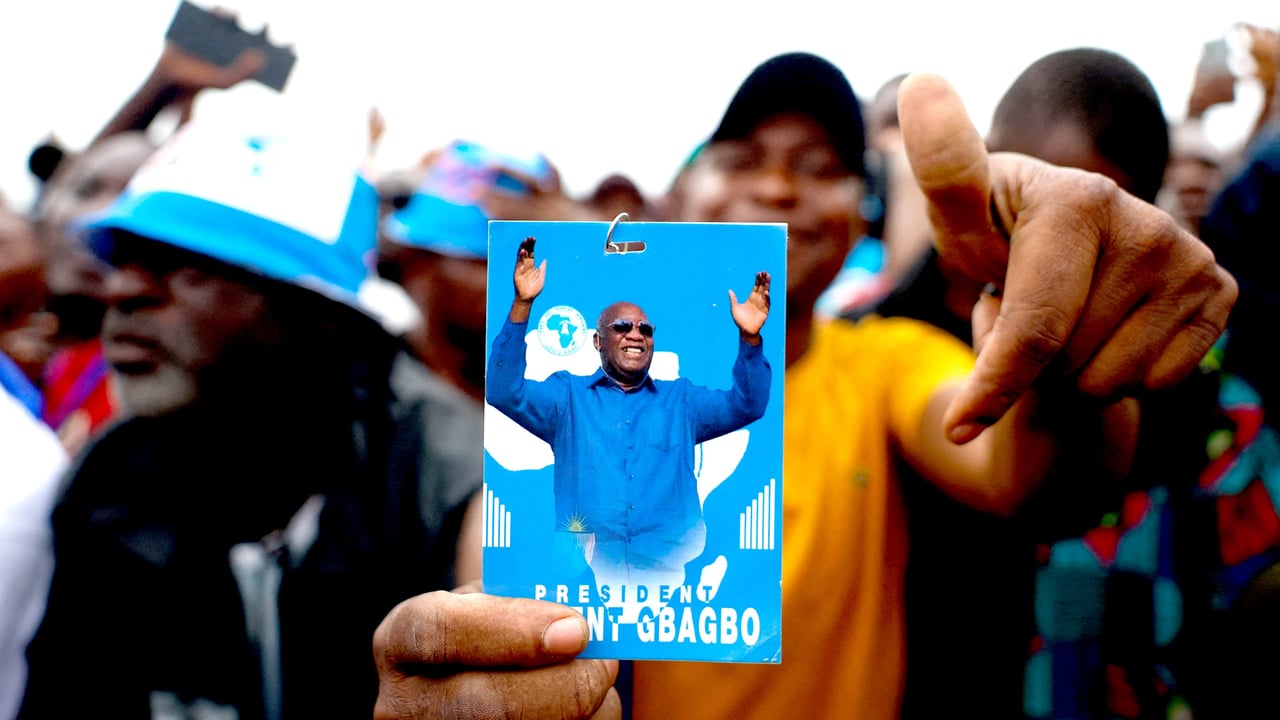
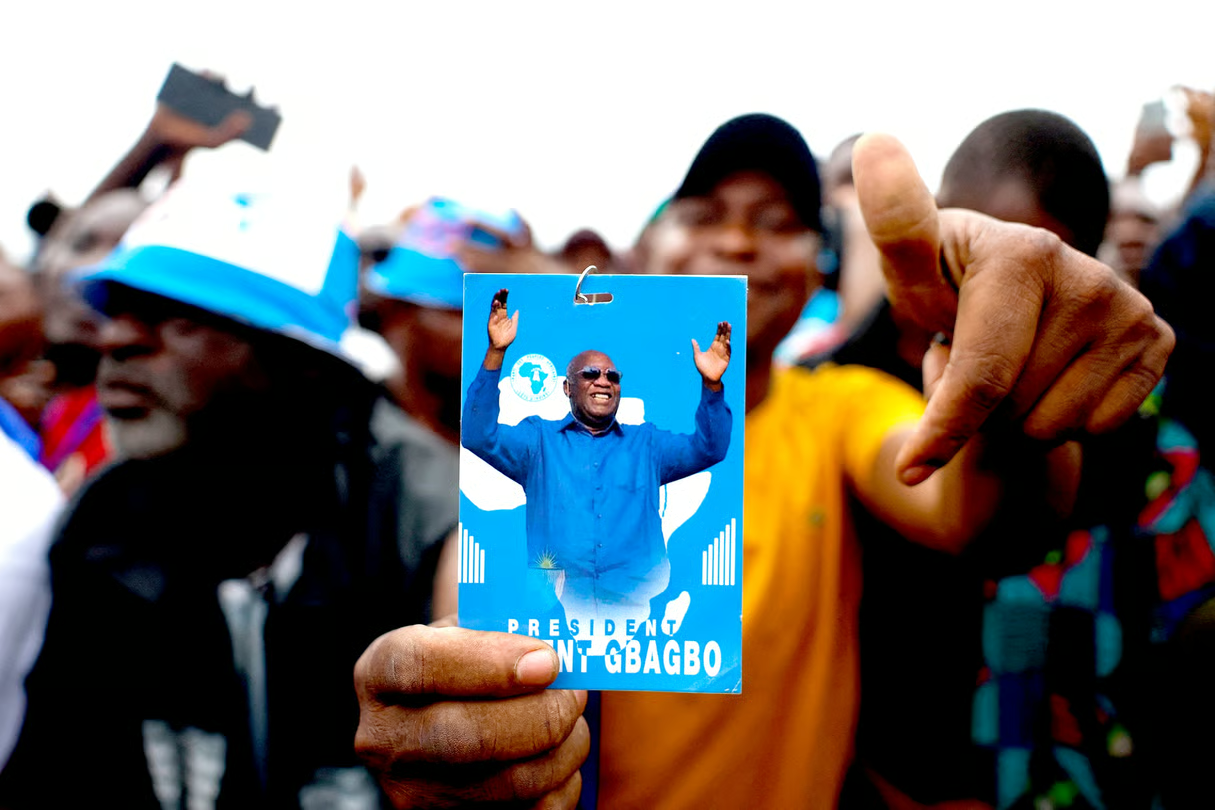
Laurent Gbagbo’s enduring influence within Ivory Coast’s political landscape was on full display during the recent PPA-CI (Parti des Peuples Africains – Côte d’Ivoire) congress. Party insiders had already anticipated the outcome weeks before the event unfolded in Treichville’s Cultural Palace.
Inside the venue, the atmosphere was electric as delegates cast their votes. Yet, the process followed a predetermined script. With only one candidate in the running, the proceedings took on a symbolic character rather than a competitive one. Notably, the figurehead of the party chose not to attend the opening day of the congress, sending a clear message about the nature of this political gathering.
An expected triumph for Gbagbo
A high-ranking PPA-CI official, speaking on condition of anonymity, summed up the inevitability of the situation: “No mystery here. By the end of the day, the leader will be re-elected, and everyone will be satisfied.”
The congress proceedings reflected this sentiment perfectly. The sole candidate’s name was literally chanted by the crowd, creating an atmosphere of unanimous approval. The absence of any alternative candidates underscored the party’s consolidated direction under Gbagbo’s leadership, even as questions about succession and generational transition simmer beneath the surface.
What Gbagbo’s continued leadership means for Ivory Coast
The re-election of Laurent Gbagbo as PPA-CI president isn’t just a personal victory—it’s a statement about Ivory Coast’s political trajectory. His leadership style, characterized by unwavering conviction, continues to shape the party’s identity and electoral strategy. Supporters argue that his experience and vision remain essential for navigating the country’s challenges, from economic recovery to social cohesion.
Opponents, however, point to the democratic deficit in such a process. The lack of genuine competition in the congress raises questions about internal party democracy and the party’s ability to adapt to evolving political expectations. Critics suggest that this style of leadership may hinder the party’s long-term relevance in a changing Ivory Coast.
Party dynamics and future challenges
The congress highlighted both the strengths and vulnerabilities of the PPA-CI. While Gbagbo’s leadership provides stability and a clear direction, it also risks alienating younger members who seek more inclusive decision-making processes. The party’s ability to balance tradition with modernization will determine its future electoral prospects in a country where political landscapes are rapidly shifting.
The Treichville gathering served as more than just a coronation—it was a reminder of the enduring power dynamics within Ivory Coast’s political sphere. As the party moves forward, all eyes will be on how it addresses these internal contradictions while maintaining its electoral appeal.