Amnesty urges militants to end Bamako blockade amid growing civilian suffering
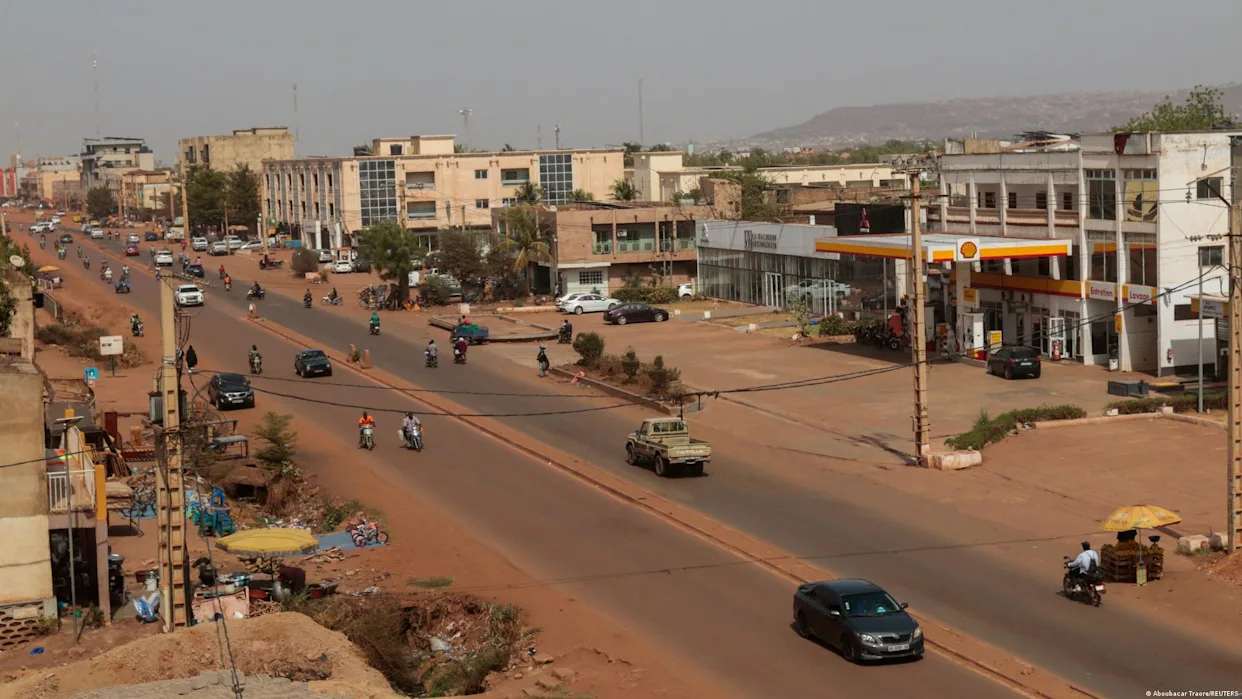
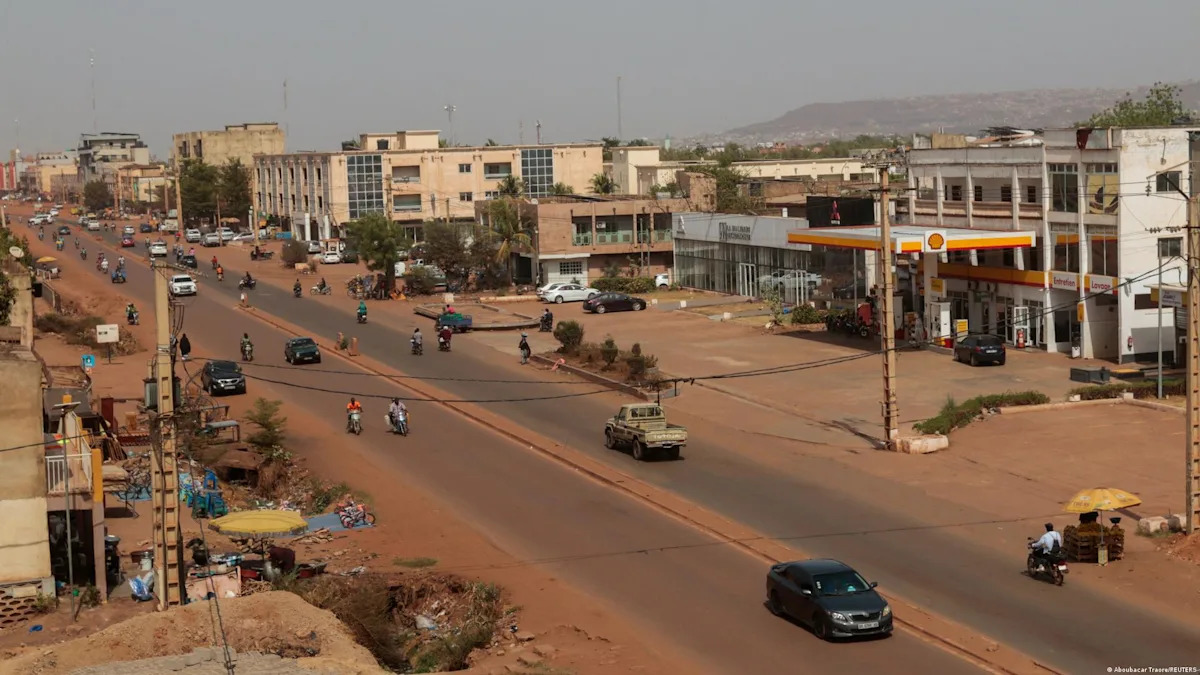
Human rights watchdog Amnesty International has issued a stark warning about the escalating humanitarian fallout from a two-week blockade imposed on Bamako by jihadist factions. The militants, linked to the Group for the Support of Islam and Muslims (JNIM), have severed critical supply routes, leaving Mali’s landlocked capital dependent on dwindling reserves.
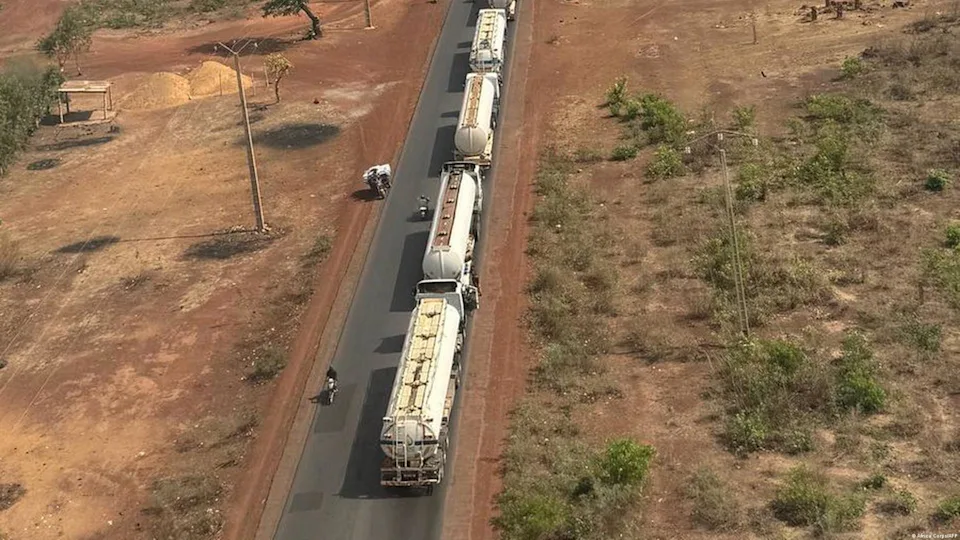
“The ongoing blockade has inflicted unacceptable hardships on civilians, threatening their fundamental rights to food security, healthcare, and safety,” Amnesty stated in a public statement. The group emphasized that the blockade violates international humanitarian law, citing a recent attack on a civilian goods convoy near Bougouni on May 6.
The convoy, transporting fruits and other essential goods for private businesses, was reportedly unarmed and lacked military escort, according to Amnesty’s account. This incident underscores the militants’ disregard for civilian protection under international law.
Military intensifies strikes on Kidal amid escalating tensions
Mali’s armed forces have announced plans to escalate aerial strikes on Kidal, a strategic northern city now under the control of Tuareg separatists and their jihadist allies. The military confirmed conducting multiple airstrikes on the city, which has been in rebel hands since late April. In response, the separatist National Movement for the Liberation of Azawad (MNLA) claims to be holding 200 Malian soldiers captured during clashes on April 25.
Residents in Kidal report persistent power outages and disrupted telecommunications, complicating efforts to verify conflicting reports from the ground. In Gao, another northern city under government control, civilians describe a climate of deep mistrust, with authorities urging reliance on official government communications. Food prices have surged, with onions doubling in cost, according to local accounts.
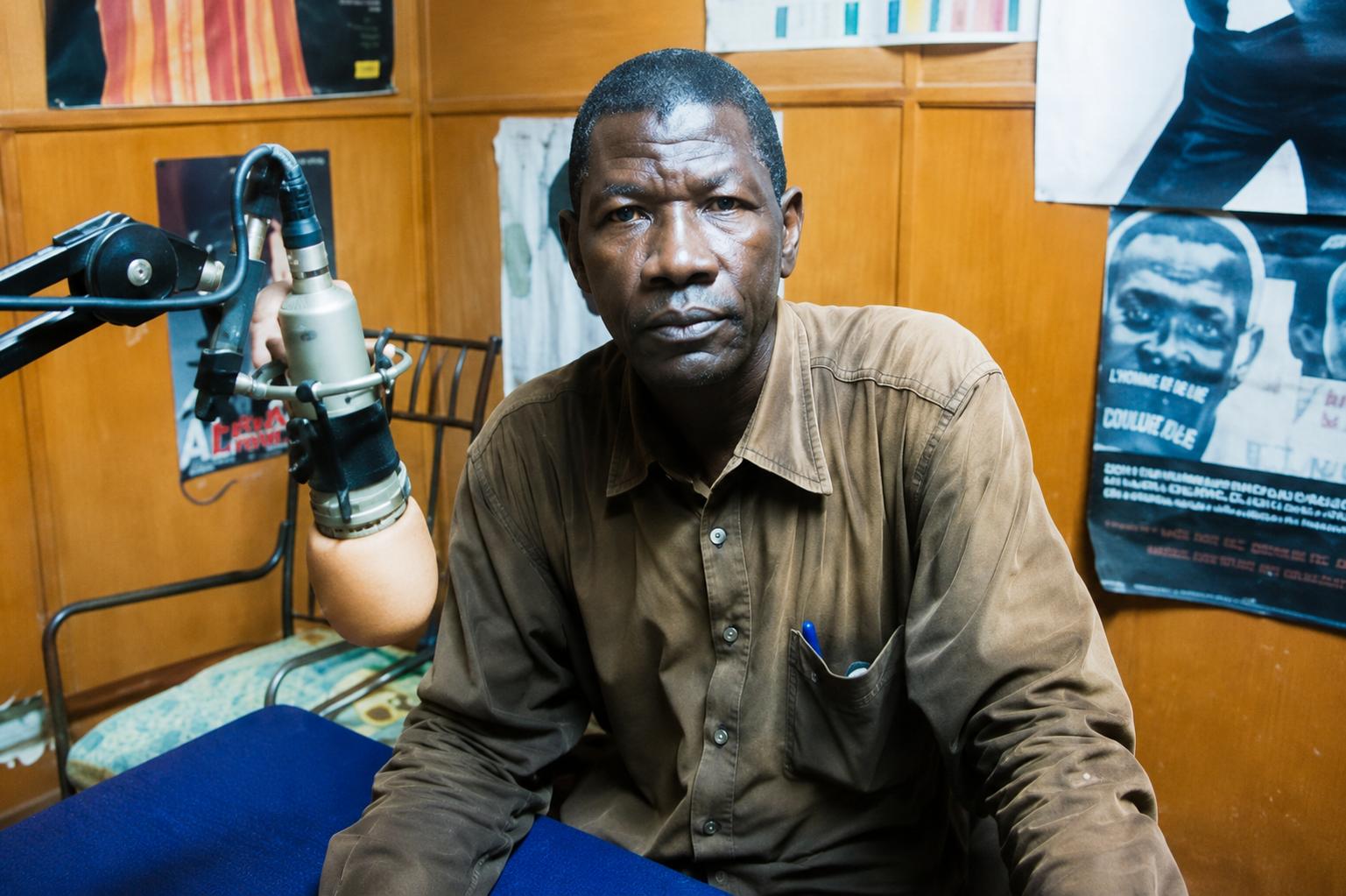
Analysts warn of a dangerous stalemate. Hervé Lankoandé Wendyam, an independent expert on West African security dynamics, notes that “the militants are systematically severing ties between northern and central Mali and the rest of the country, while the JNIM seeks to escalate urban confrontations.”
Jihadist control tightens in central Mali
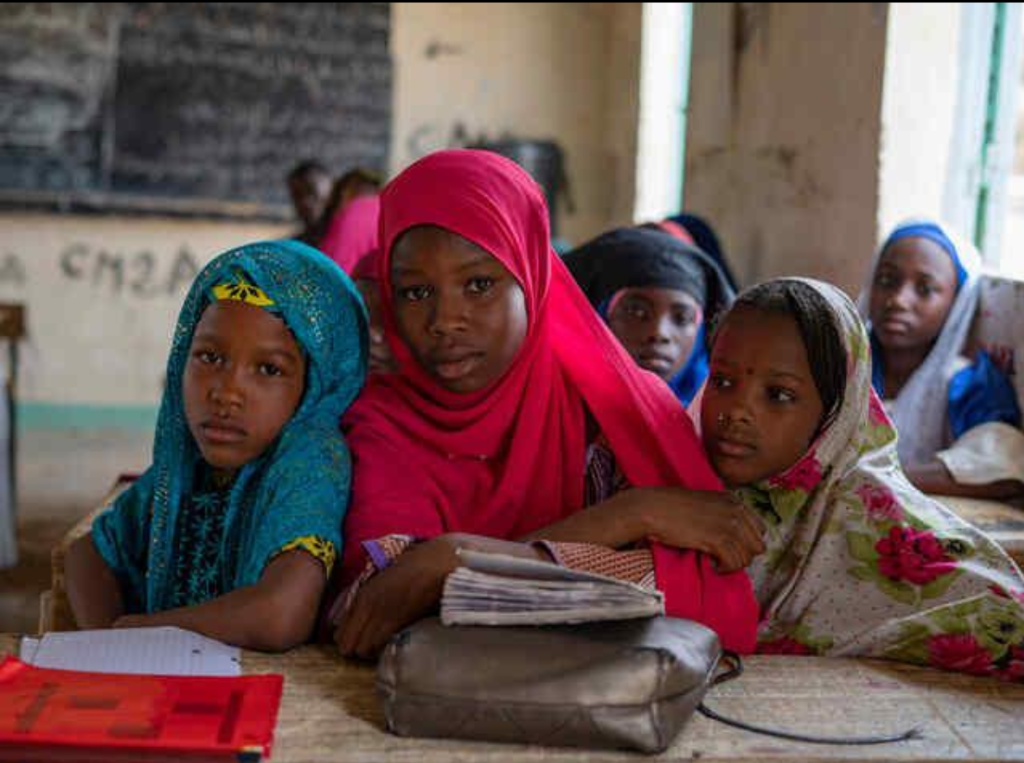
Observers report that jihadist factions now dominate swathes of territory in central Mali, particularly along the left bank of the Niger River in the Ségou and Koulikoro regions. State institutions have reportedly withdrawn from these areas, where militants impose taxes and close schools. As of January, over 2,300 schools across Mali remained shuttered, with the north and center bearing the brunt of closures.
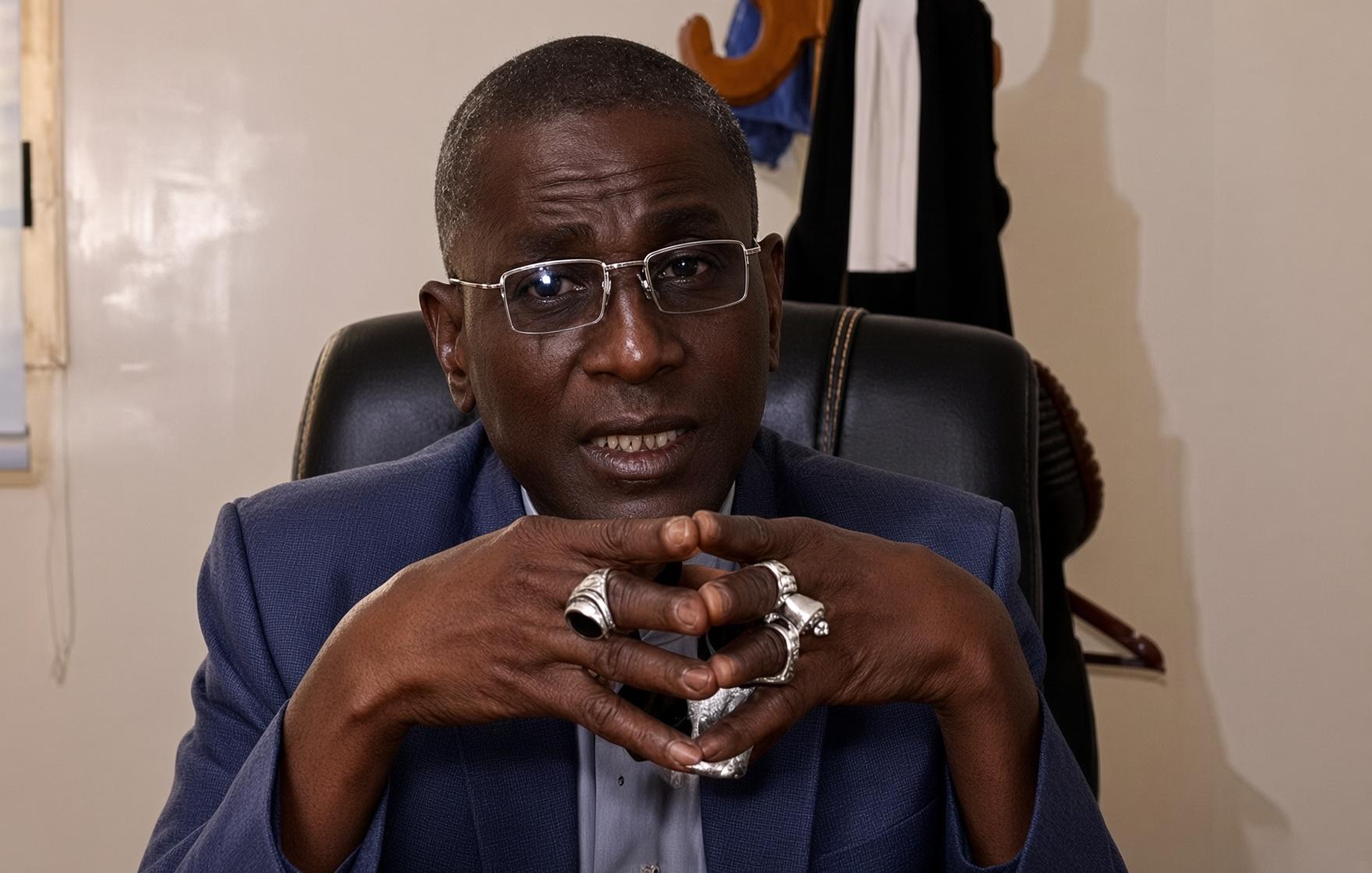
Local residents describe a cycle of violence and extortion. Abdoulaye Sounaye, a researcher specializing in Sahelian jihadist groups, observes that both Malian forces and militant factions are in a phase of reorganization and rearmament. “The government appears poised for a decisive response, while the JNIM and MNLA are bracing for potential renewed hostilities. Civilians remain caught in the crossfire.”
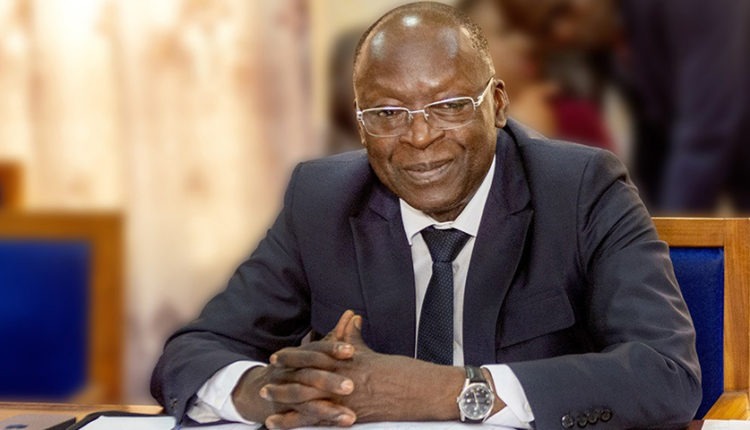
Ahmed Ould Abdallah, director of the Saharan Studies and Security Center (4S), argues that Mali’s crisis demands urgent political solutions. “The government must engage in inclusive dialogue with all national stakeholders to resolve this deepening political rift. Without openness, the current turmoil risks persisting indefinitely.”
Despite official denials of negotiations with groups labeled as terrorists, reports indicate that secret talks have occurred to facilitate fuel supply agreements between Malian authorities and JNIM militants. Abdoulaye Sounaye predicts that “sooner or later, all parties will be compelled to return to the negotiating table to secure a sustainable agreement.”

Thérèse Nguimfack
Journalist
Related Story