Amnesty urges jihadists to end Mali travel restrictions
The humanitarian crisis deepening in Mali has drawn urgent international concern as armed groups tighten their grip on key regions, disrupting civilian life and vital supply routes. Amnesty International has issued a strong appeal for the restoration of safe passage and freedom of movement amid escalating violence.
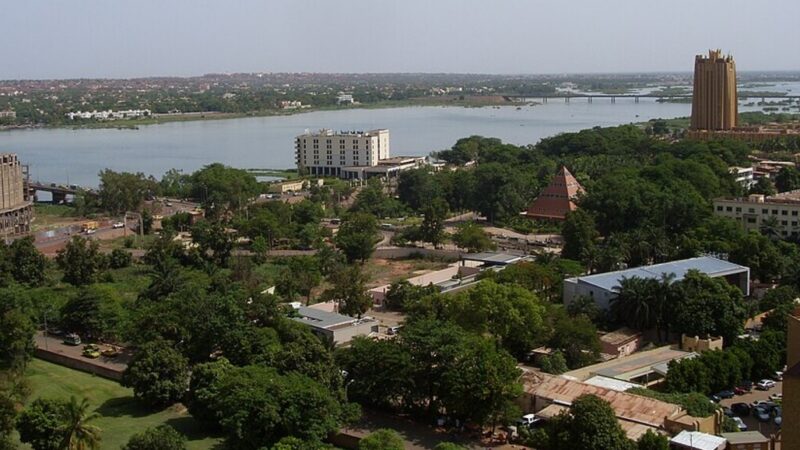
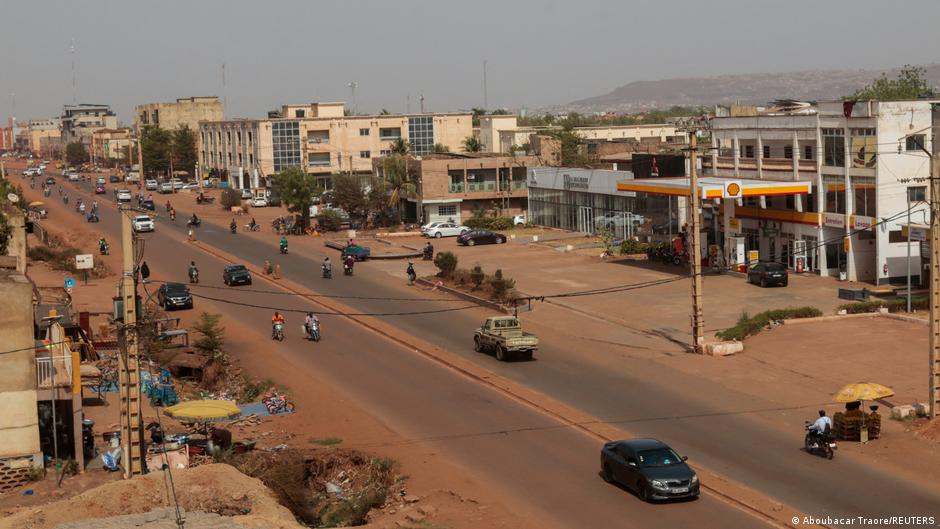
In a public statement, the human rights watchdog condemned the two-week blockade imposed on Bamako by jihadist factions, warning that the restrictions are pushing the nation toward severe humanitarian consequences. The capital, heavily reliant on road imports for food and medical supplies, is facing severe shortages as critical transit corridors remain sealed off.
Amnesty International warned that the ongoing siege of Bamako is not only violating the basic rights of civilians but also threatens their access to food, healthcare, and safety. The organization highlighted a recent attack on a civilian truck convoy transporting fruits between Bamako and Bougouni on May 6, stressing that the vehicles were not accompanied by military escorts and carried no weapons or personnel linked to any armed force.
escalating violence in northern and central Mali
In parallel, military operations in Kidal are intensifying as government forces attempt to regain control of the city, currently under the control of the separatist Tuareg Front for the Liberation of Azawad (FLA) and their jihadist allies, the Group for the Support of Islam and Muslims (JNIM). Residents report intermittent electricity cuts and disrupted communication lines, leaving communities isolated and uncertain about who to trust in the conflict.
A Gao resident, still under government control, described rising food prices, with the cost of onions doubling in recent weeks. The uncertainty has fueled widespread distrust, even in areas still governed by official authorities.
Analysts warn that the situation in central Mali reflects a calculated escalation by jihadist groups seeking to expand their territorial influence. “The crisis in central Mali is not just about security—it’s a strategic push by JNIM to escalate hostilities and consolidate control over urban centers,” stated political analyst Hervé Lankoandé Wendyam.
control and coercion in central Mali
In the central regions, several rural areas along the Niger River in Ségou and parts of Koulikoro remain under jihadist control, with no government presence. These groups are reportedly enforcing zakat (religious tax) collections and shutting down local schools. According to recent estimates, over 2,300 schools across Mali have been forced to close, with northern and central regions bearing the brunt of the disruption.
Abdoulaye Sounaye, a Sahel-based researcher specializing in jihadist movements, noted that both military and insurgent forces are currently in a phase of reorganization and rearmament. “The government appears to be preparing for a major confrontation, while JNIM and FLA are doing the same. The civilian population remains trapped in the crossfire,” he explained.
Experts emphasize that long-term stability in Mali can only be achieved through inclusive dialogue involving all parties. Ahmed Ould Abdallah of the 4S Center argued that the government must open channels for negotiation to address the underlying political crisis. “The current administration has a choice: either continue down a path of confrontation or engage in meaningful dialogue to resolve the conflict,” he stated.
Despite the official stance rejecting any talks with groups labeled as terrorists, reports indicate that behind-the-scenes negotiations have taken place to secure fuel supplies, highlighting the complex and contradictory nature of the conflict.