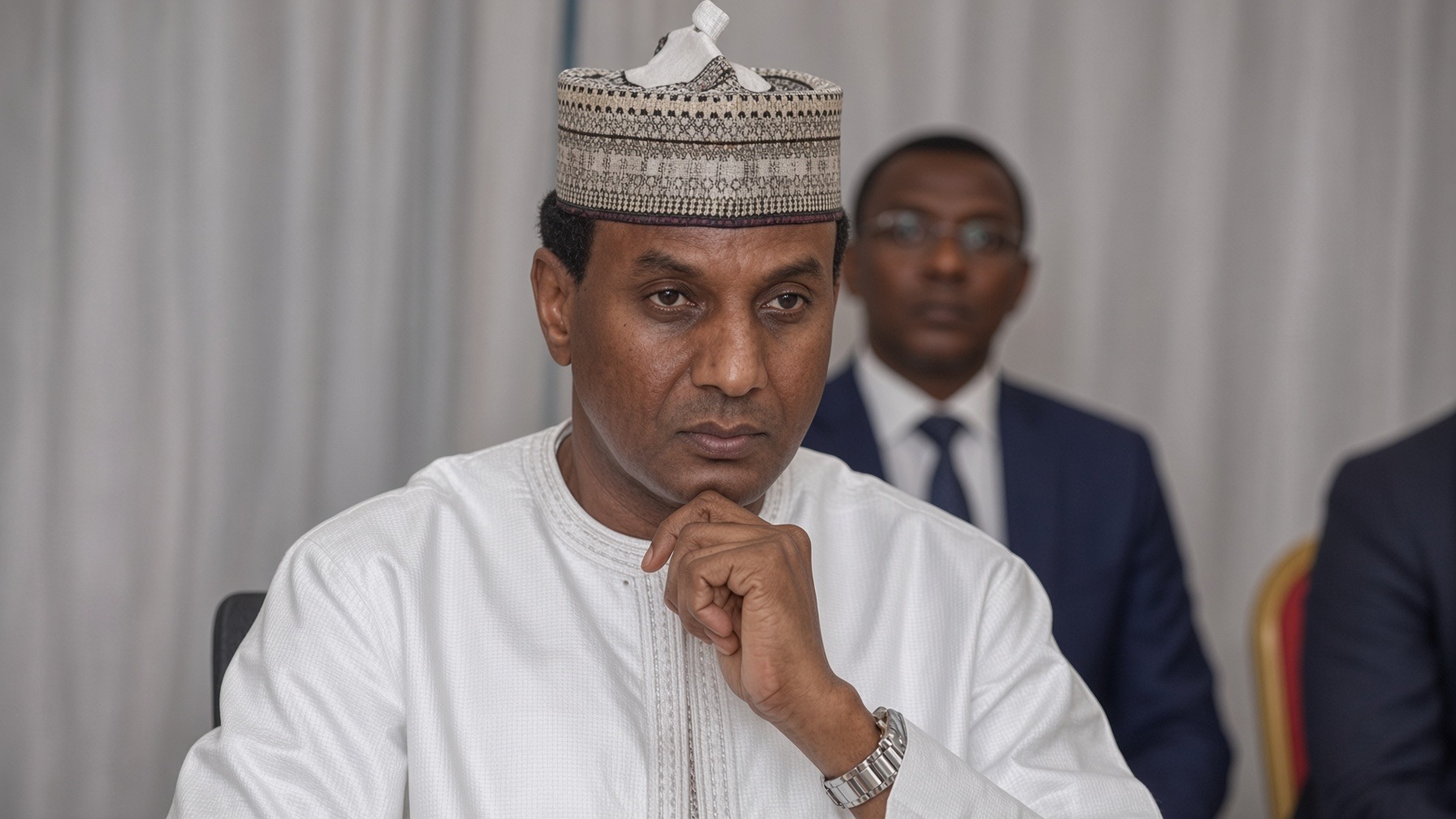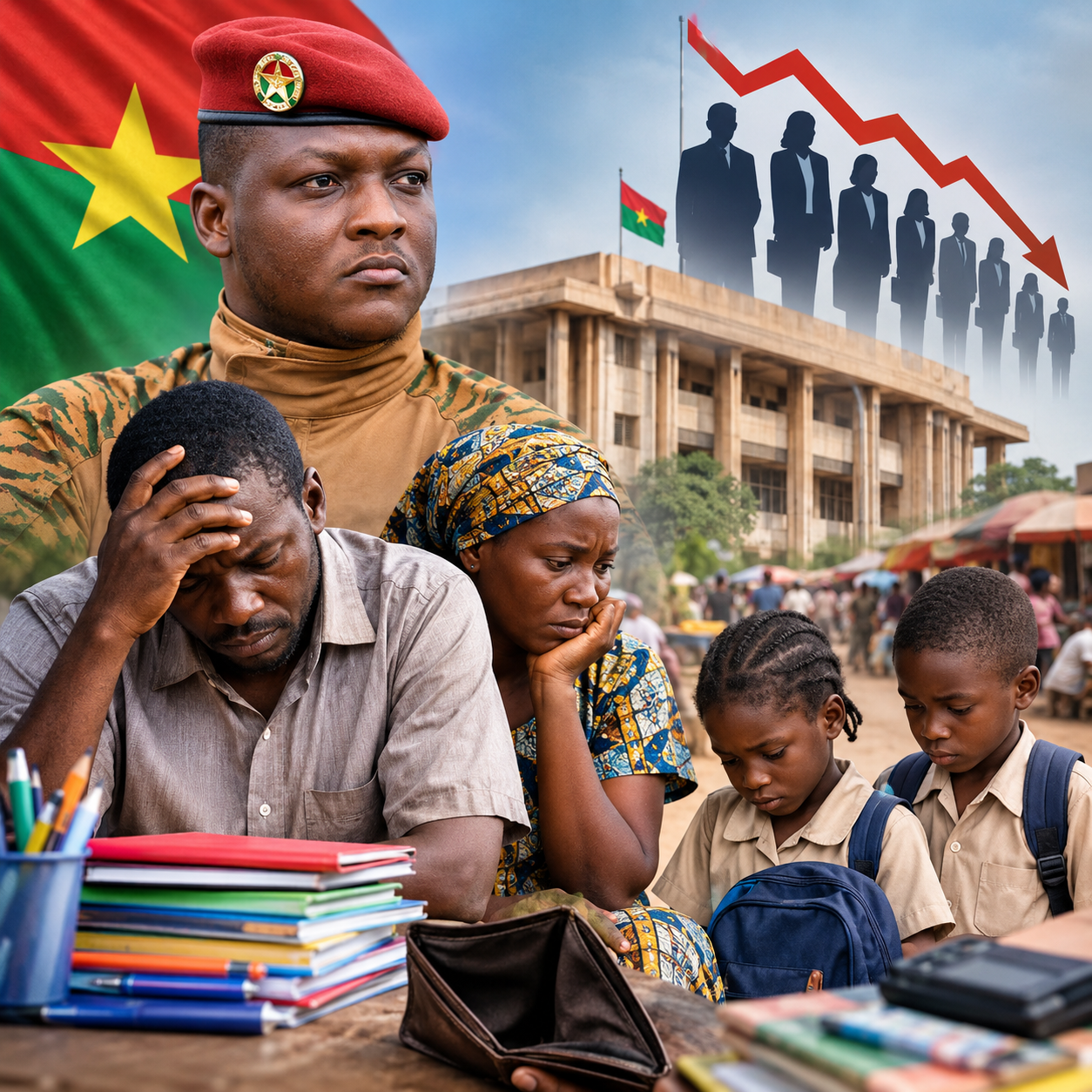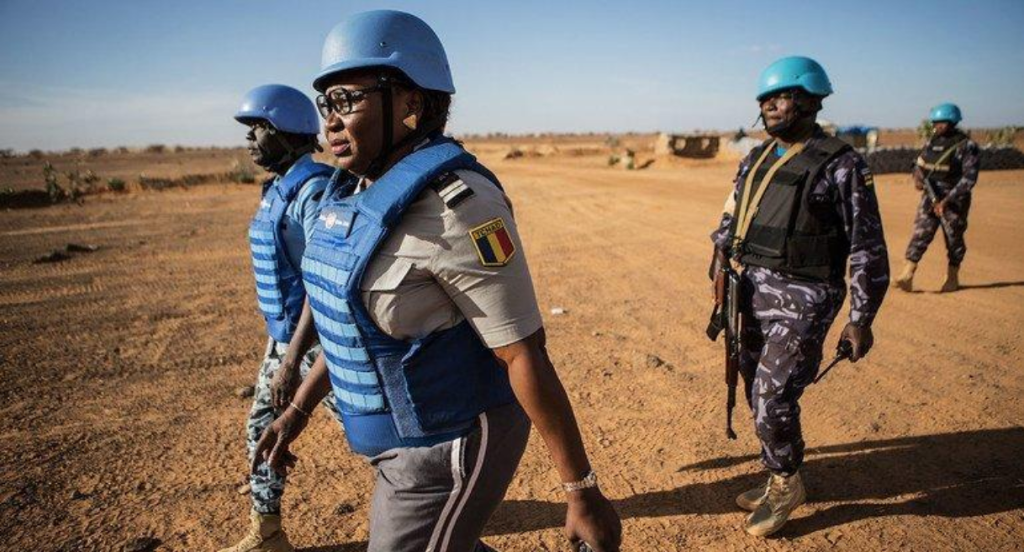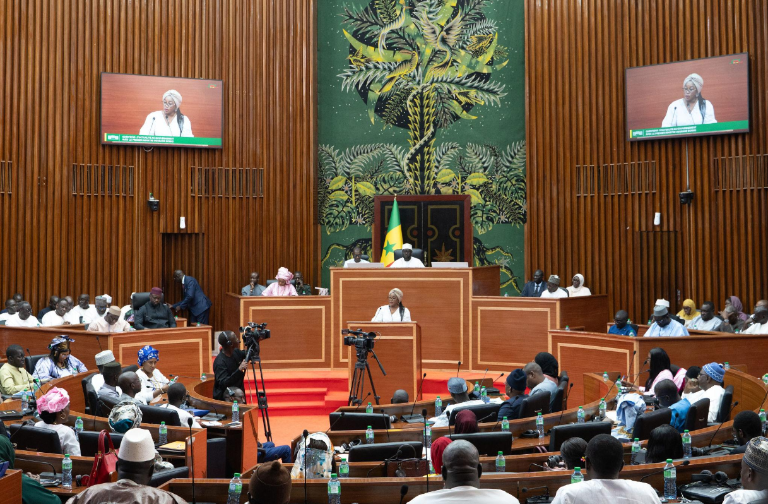
The United States government has publicly welcomed the decision by three nations of the Alliance of Sahel States (AES) to withdraw from the International Criminal Court (ICC). Mali, Burkina Faso, and Niger—united since 2023 under a confederal structure formed after severing ties with the Economic Community of West African States (ECOWAS)—have now formally exited the Hague-based judicial body. Washington interprets this move as a political gesture that aligns with its long-standing skepticism toward the court’s authority.
An unexpected alignment between Washington and Sahelian governments
This convergence may come as a surprise to many observers. Since political transitions in Bamako, Ouagadougou, and Niamey, the Sahelian capitals have repeatedly distanced themselves from traditional Western allies, particularly France. The visible shift toward Moscow, the expulsion of French military units, and the restructuring of security agreements had fueled perceptions of a complete strategic realignment. Yet the U.S. endorsement of their ICC departure introduces a nuance, revealing that transatlantic relations with the region continue to be shaped by complex and evolving dynamics.
The United States has never ratified the Rome Statute, the foundational treaty of the ICC established in 1998. Successive administrations have consistently argued that the court could expose American citizens—especially military personnel—to politically motivated prosecutions. This stance has hardened in recent years, including through targeted sanctions against certain ICC judges. By supporting the AES withdrawal, U.S. diplomacy reinforces a longstanding policy while simultaneously providing Bamako, Ouagadougou, and Niamey with valuable international recognition.
The ICC under pressure from African dissent
The departure of the three Sahelian countries coincides with growing skepticism toward the ICC from a segment of African states. For years, critics have accused the court of applying double standards, disproportionately targeting African leaders while overlooking crimes committed elsewhere. Burundi led the way in 2017 by initiating its own withdrawal process, and several other nations have at times threatened collective exits. The AES decision represents the latest political manifestation of this resentment, now spearheaded by regimes born from military coups and facing severe security threats.
For Sahelian authorities, the rationale centers on national sovereignty. The ICC is framed as an external imposition, ill-equipped to understand local realities and potentially obstructive to counterterrorism operations. The three countries have grappled with escalating violence from groups linked to Al-Qaeda and the so-called Islamic State for over a decade, with devastating human consequences. By leaving the court, their governments aim to preempt any future investigations into the conduct of their own forces or those of their foreign partners.
A critical moment for global justice architecture
The simultaneous withdrawal of three countries from a regional alliance marks a significant precedent. It raises pressing questions about the ICC’s ability to maintain effective jurisdiction in areas where serious violations of international humanitarian law are well-documented. Reports from human rights organizations have chronicled abuses attributed to both state and non-state actors across the Sahel, underscoring the complexity of the regional conflict landscape.
The U.S. endorsement of this move could also reshape diplomatic alignments. It signals the potential for more pragmatic engagement between Washington and the transitional governments of the Sahel—regimes that have long been sidelined by European normative frameworks. Yet the implications remain uncertain. The United States retains vital security interests in the Sahelo-Saharan belt, particularly in counterterrorism operations and the monitoring of migration and logistics routes. Even a partial thaw in relations with the AES could serve these objectives without necessarily aligning with European positions.
The ICC now faces an additional setback that further erodes its moral authority. Already criticized for slow proceedings and a limited number of convictions since its inception, the court must now contend with a vocal bloc of Sahelian states and a powerful ally in Washington that openly applauds their withdrawal.