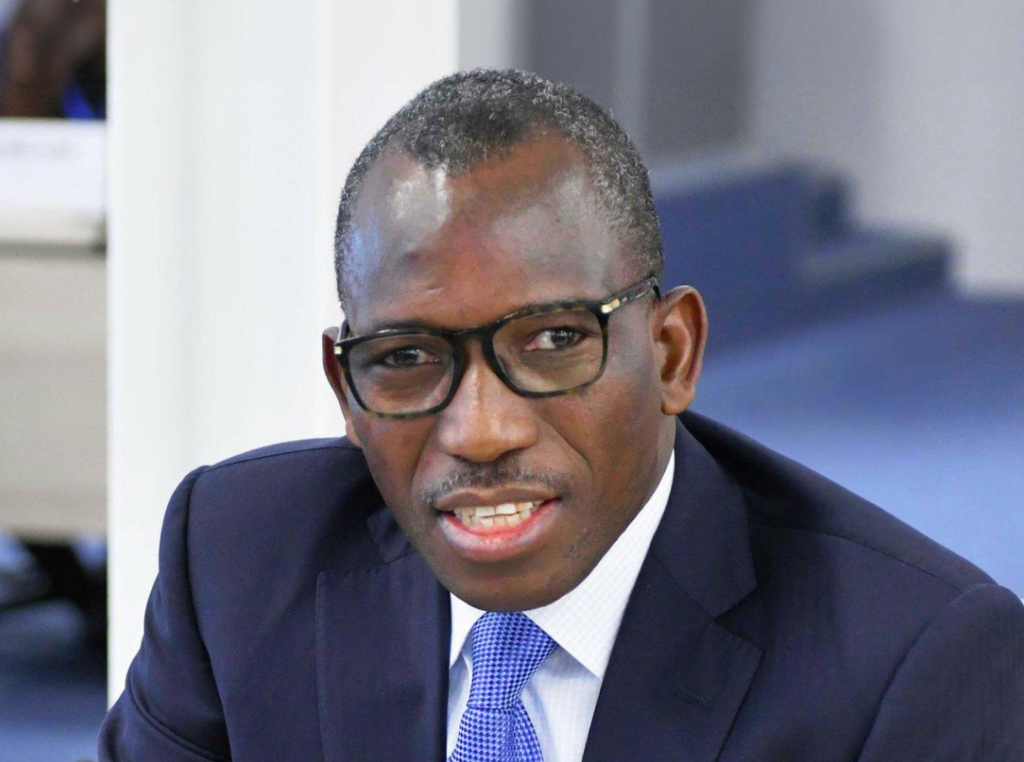
The challenge of Senegal’s public debt management has evolved beyond mere financial calculations. Today, it sits at the crossroads of economic necessity and political expediency, where long-term fiscal planning clashes with election cycles that last just five years. This tension is at the heart of the debate led by Ndèye Nangho Dioum, a tax and land inspector, who frames Senegal’s dilemma within a broader global reality: the unpopular choices leaders must make to safeguard public finances.
The discussion begins with a nod to Bill Clinton’s famous remark about leaders facing harsh decisions while waiting for favorable political winds. This analogy isn’t arbitrary—it captures the dilemma facing Senegal’s government, which must tighten fiscal policy to restore economic stability while addressing the high expectations of a population already under strain.
Political timelines that shape fiscal decisions
The concept of political timelines, rooted in public choice theory as developed by James M. Buchanan, highlights a systemic bias in representative democracies. Leaders often favor policies with immediate benefits and delayed costs, a pattern that fuels debt accumulation across economies—both developing and advanced. In Senegal, this tendency has intensified since a 2024 public finance audit exposed previously underreported debt levels. The revelation of a higher-than-expected debt stock strained relations with multilateral partners, particularly the International Monetary Fund (IMF), and weighed on the country’s sovereign credit rating. Restoring fiscal transparency has become essential, yet politically costly.
The impossible balance between fiscal discipline and public support
Cutting deficits requires unpopular measures: reducing energy subsidies, streamlining public sector payrolls, broadening the tax base, and adjusting public tariffs. Each of these steps has immediate losers, while the benefits—debt sustainability and fiscal flexibility—materialize only in the medium to long term. As Dioum points out, this time lag is the biggest hurdle to structural reforms. The Senegalese case also underscores a unique constraint faced by franc zone economies. The fixed exchange rate of the CFA franc, pegged to the euro, removes monetary policy as a tool for absorbing shocks. Adjustments must therefore rely entirely on fiscal policy, amplifying the social impact of every spending decision made by the government.
Rebuilding trust in Senegal’s sovereign commitments
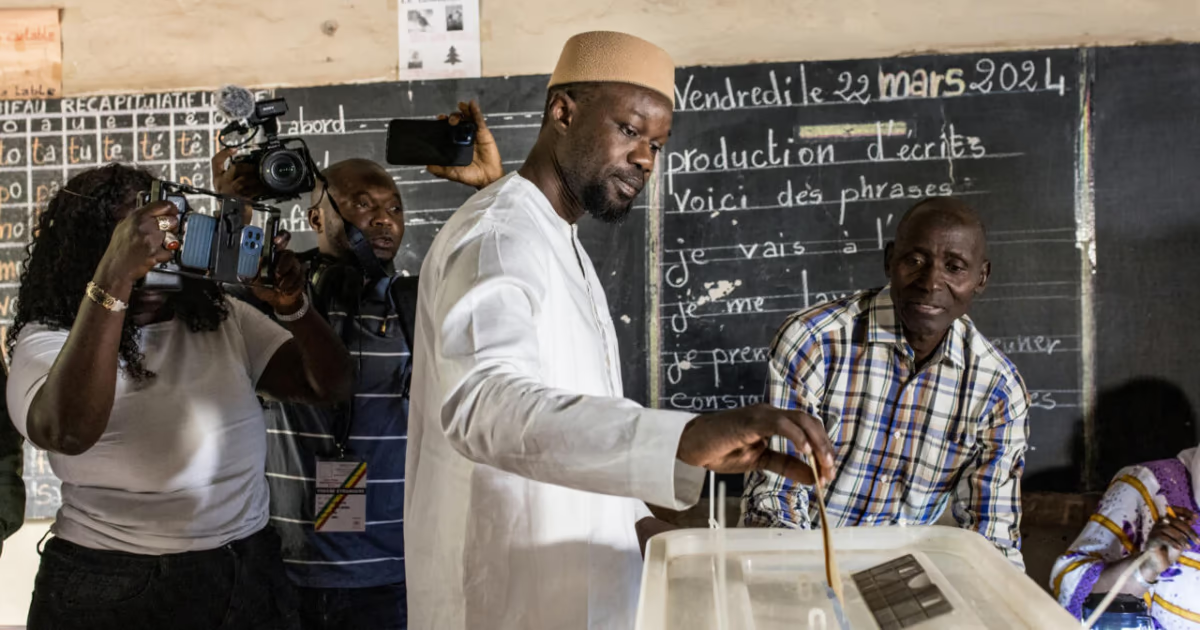
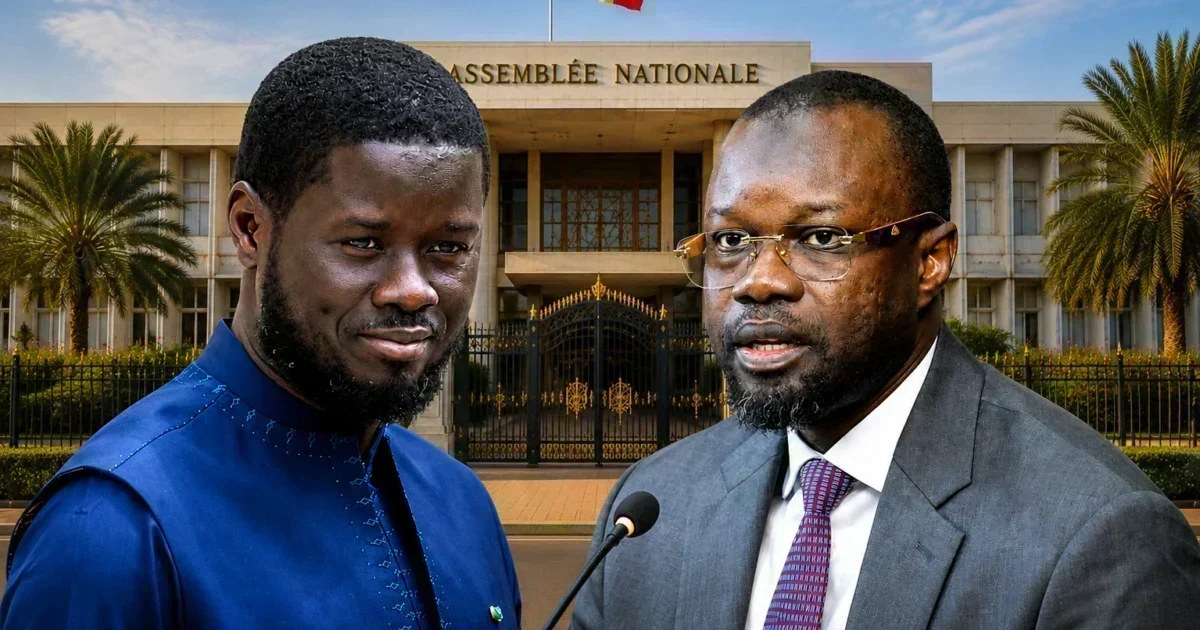
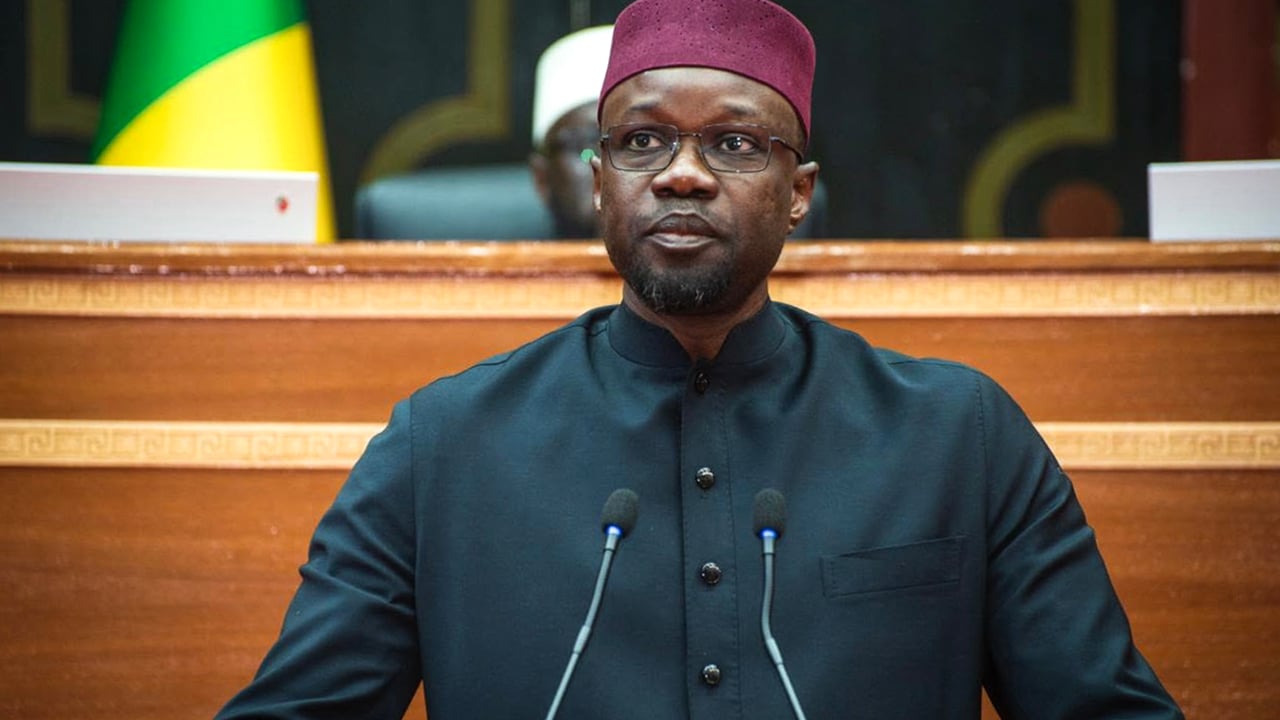
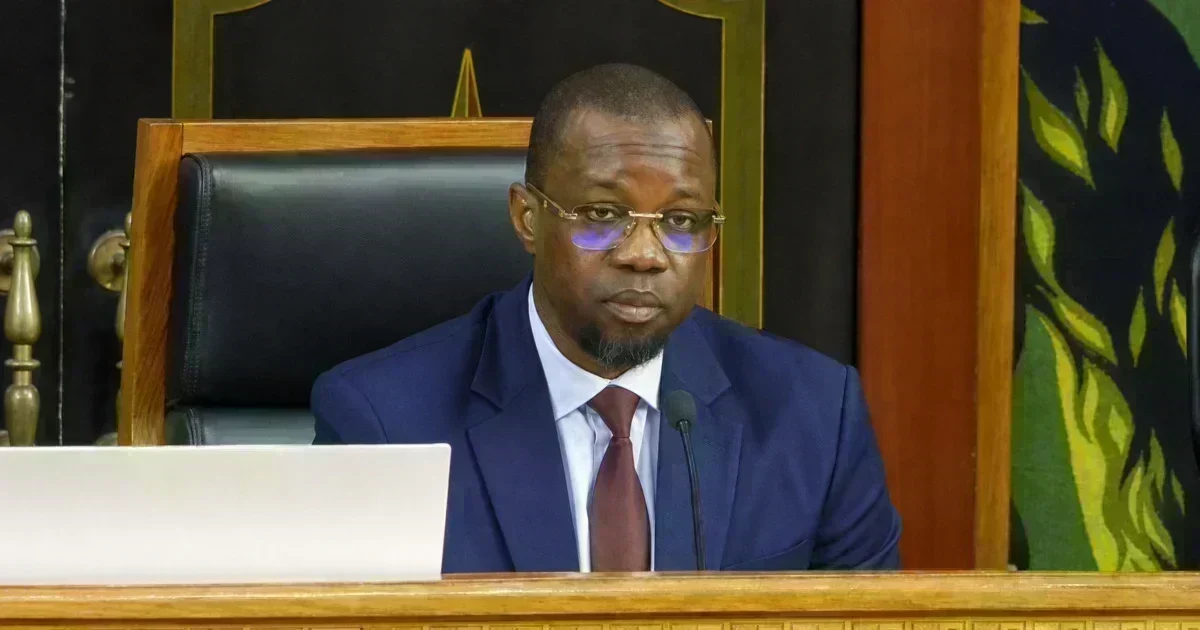
Since assuming office in April 2024, President Bassirou Diomaye Faye and Prime Minister Ousmane Sonko have signaled a break from the past, pledging to rebuild economic credibility. Restoring confidence among international lenders and investors is a stated priority, yet recent spikes in Senegal’s eurobond spreads indicate lingering skepticism. Meanwhile, mobilizing domestic revenue has emerged as a critical strategy. The tax administration, where Dioum works, plays a pivotal role in securing revenues by closing loopholes, reducing exemptions, and combating tax evasion. While this effort is largely technical, it demands unwavering political backing due to its sensitivity.
The underlying message is clear: true political maturity lies in prioritizing long-term stability over short-term popularity. As neighboring West African nations renegotiate debt or face liquidity constraints, Senegal’s fiscal discipline carries regional significance. When communicated with transparency, such discipline can transform from a technical requirement into a political asset.