Financial investigations cast a shadow over Togolese elite’s Parisian properties
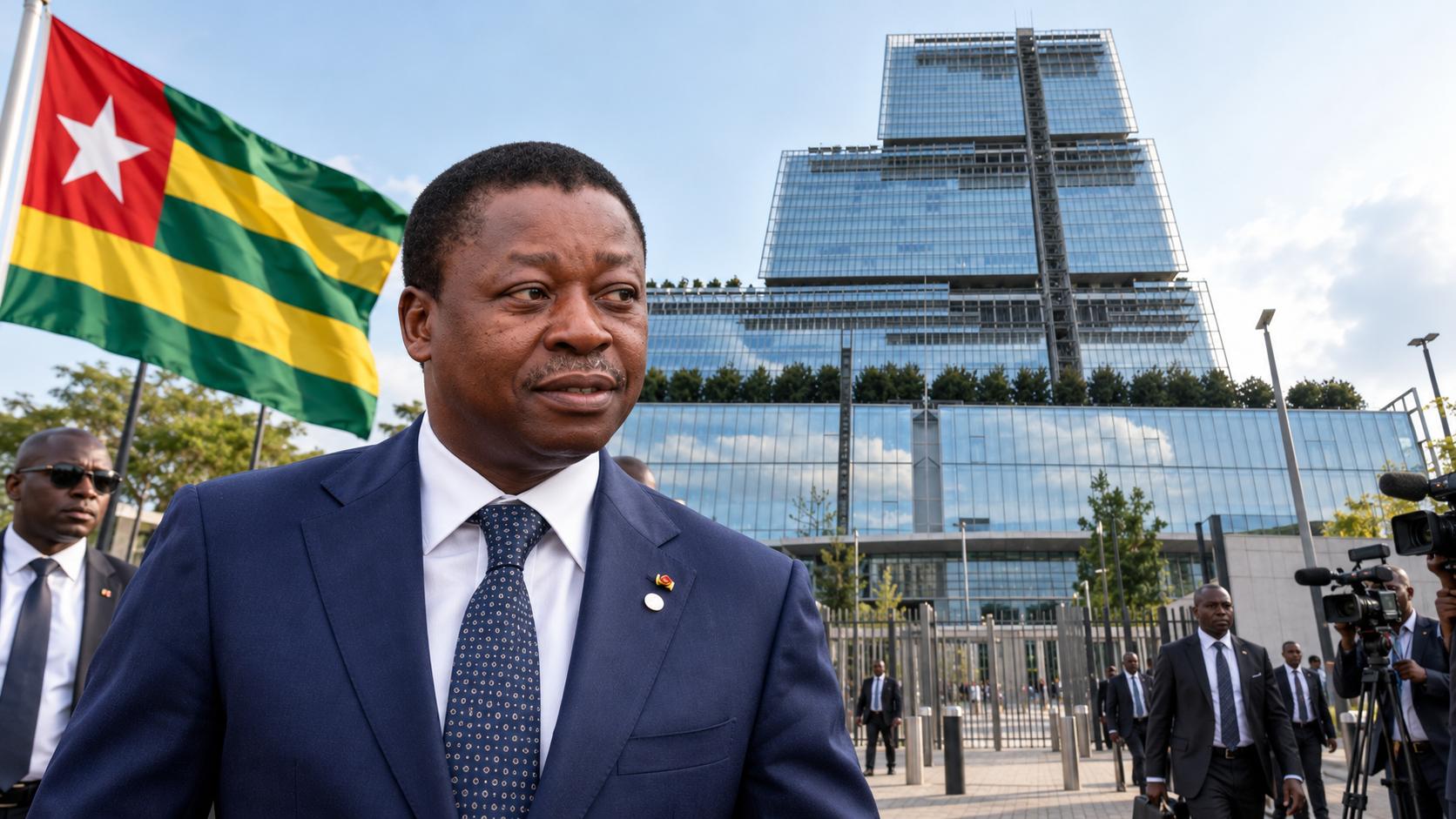
French judicial authorities have stepped up scrutiny of assets held by foreign leaders on French soil, with the spotlight now firmly on real estate portfolios linked to Togolese President Faure Gnassingbé and his inner circle. The case revolves around a web of opaque property transactions, high-end real estate acquisitions, and allegations of money laundering that have become a recurring theme in Franco-Togolese diplomatic tensions.
This judicial saga, which has resurfaced periodically in Parisian courtrooms and elite districts like the 16th arrondissement, shares unsettling parallels with high-profile cases targeting Central African leaders such as Equatorial Guinea’s Teodoro Obiang and Gabon’s Bongo family. Years after assuming power, President Gnassingbé now faces mounting legal consequences over assets allegedly acquired using embezzled public funds from Togo’s coffers.
Unraveling complex financial webs
At the heart of the investigation is a series of luxury properties in Paris and the Île-de-France region, suspected to have been purchased with diverted state resources. French prosecutors, supported by the Central Office for the Repression of Financial Crime (OCRGDF), are dissecting intricate financial trails, including:
- Sophisticated real estate deals: Eight luxury apartments in Haussmann-style buildings and five standalone mansions, all structured through shell companies known as Sociétés Civiles Immobilières (SCIs) and frontmen to obscure beneficial ownership.
- Offshore financial maneuvers: Transactions routed through offshore accounts in jurisdictions like Fiji, alongside financial intermediaries operating in low-tax territories.
- Allegations of money laundering: Investigators are probing whether these multi-million-euro investments in Île-de-France—managed via opaque corporate structures—exceed the president’s declared annual income (estimated at 70 to 80 million West African CFA francs). The case also scrutinizes independent estimates placing the president’s fortune at over 3,000 billion West African CFA francs.
Key financial nodes under review include transactions linked to historical associates such as former Togolese Prime Minister Barry Moussa Barqué, as well as transactional patterns tied to contracts like those involving the Port of Lomé concession managed by Bolloré Group subsidiaries.
Generational disputes and contested legacies
The Togolese presidential family’s French real estate portfolio is not a recent phenomenon. It traces back to the rule of Étienne Eyadéma Gnassingbé, father of the current president. Following his death in 2005, disputes over the management and ownership of these assets sparked bitter familial conflicts, further complicated by legal challenges and asset seizures.
Notable properties frequently cited by investigative journalists and anti-corruption NGOs include three buildings on Avenue du Maréchal-Maunoury in Paris, upscale residential units in Hauts-de-Seine, and additional apartments acquired during official trips to France.
France’s evolving stance on ‘ill-gotten gains’
For over a decade, France’s crackdown on ‘ill-gotten gains’ primarily targeted African ruling families from Gabon, Congo-Brazzaville, and Equatorial Guinea. However, recent legislative reforms—including mechanisms to return confiscated assets to affected populations—have sharpened judicial vigilance. French magistrates now pay closer attention to leaders whose French assets appear disproportionate to their declared earnings, signaling a broader commitment to combating transnational financial crime.