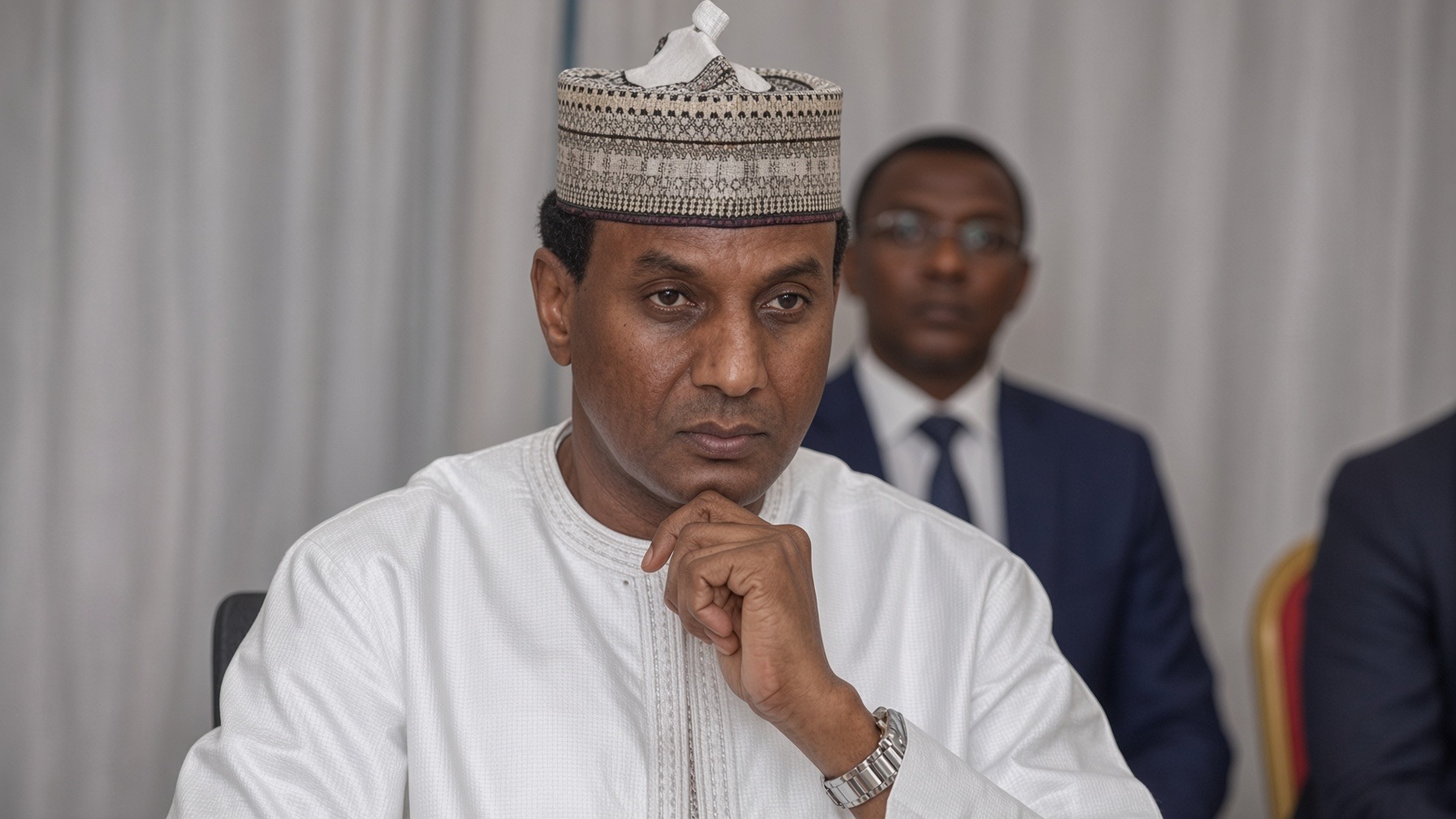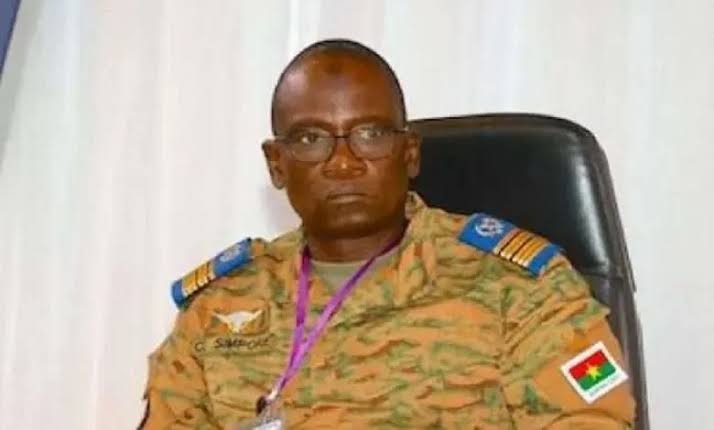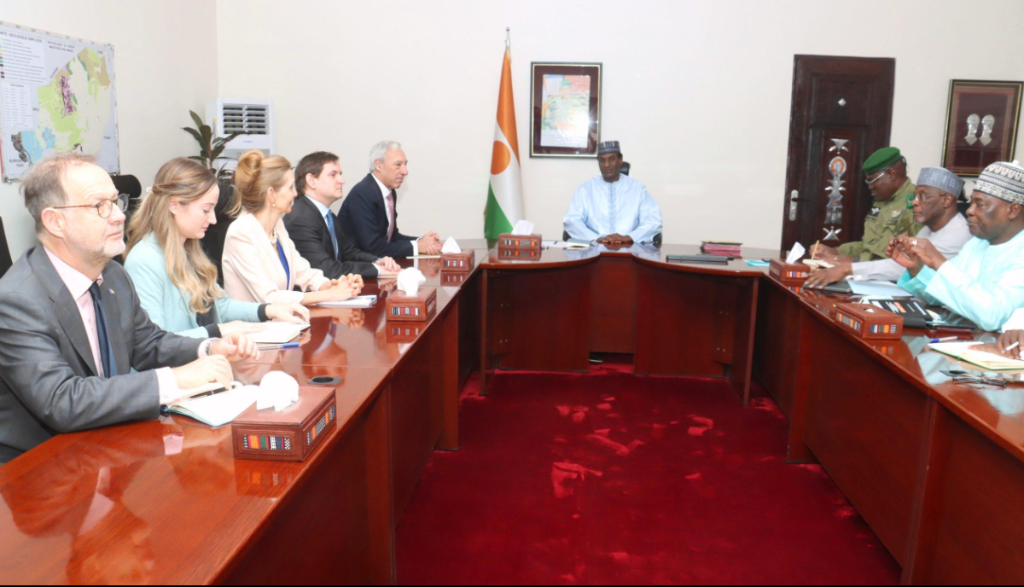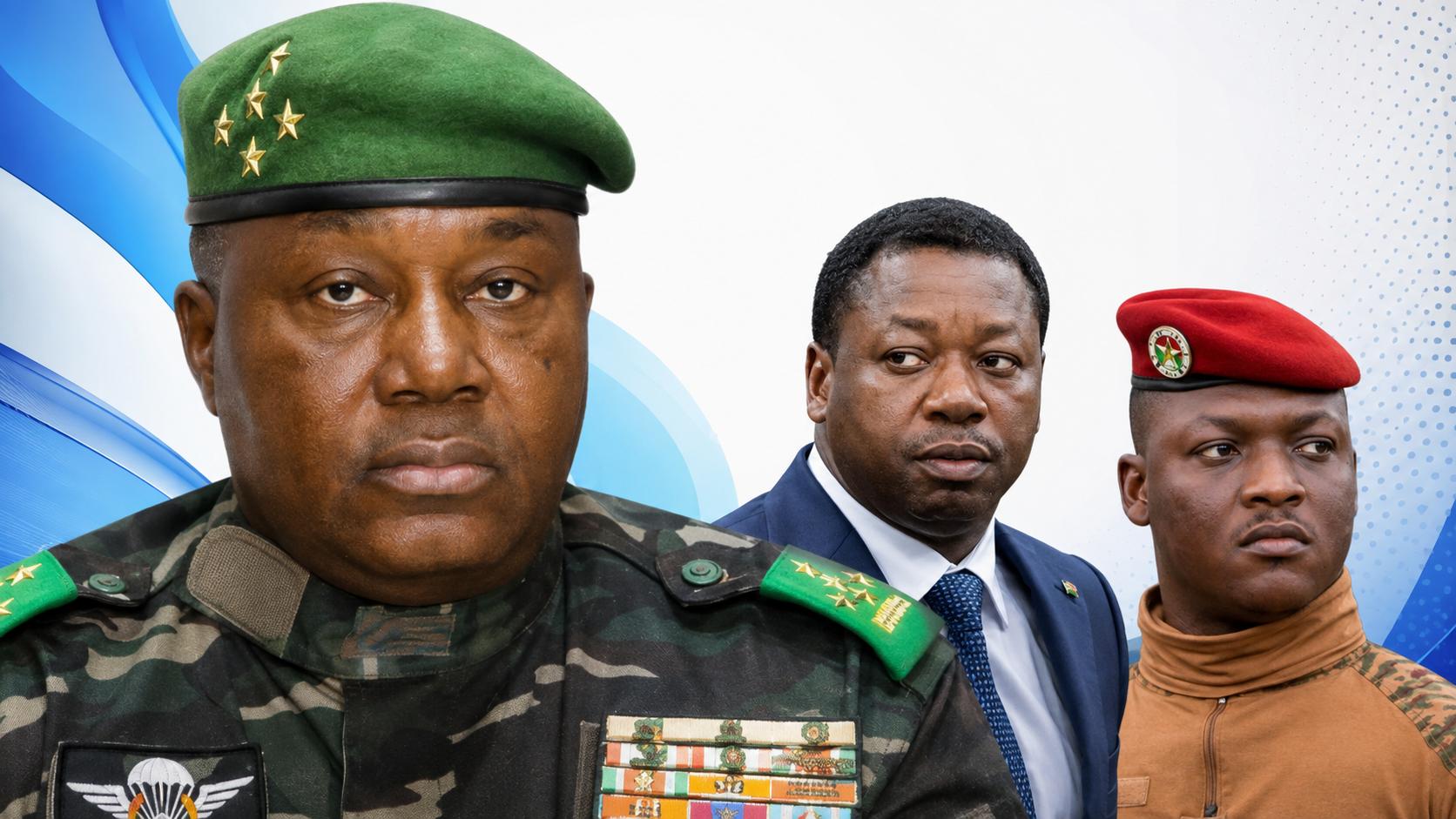
The recent turmoil in Niamey has sent shockwaves across West Africa, exposing vulnerabilities that extend far beyond Niger’s borders. The heavy gunfire and political unrest that shook the regime of General Abdourahamane Tiani were not isolated events; they serve as a stark reminder to two of his closest allies in the region: Captain Ibrahim Traoré in Burkina Faso and Faure Gnassingbé in Togo. The fallout from Niamey’s crisis underscores a growing unease in neighboring capitals, where the specter of mutiny looms large.
Burkina Faso: A regime under siege from within
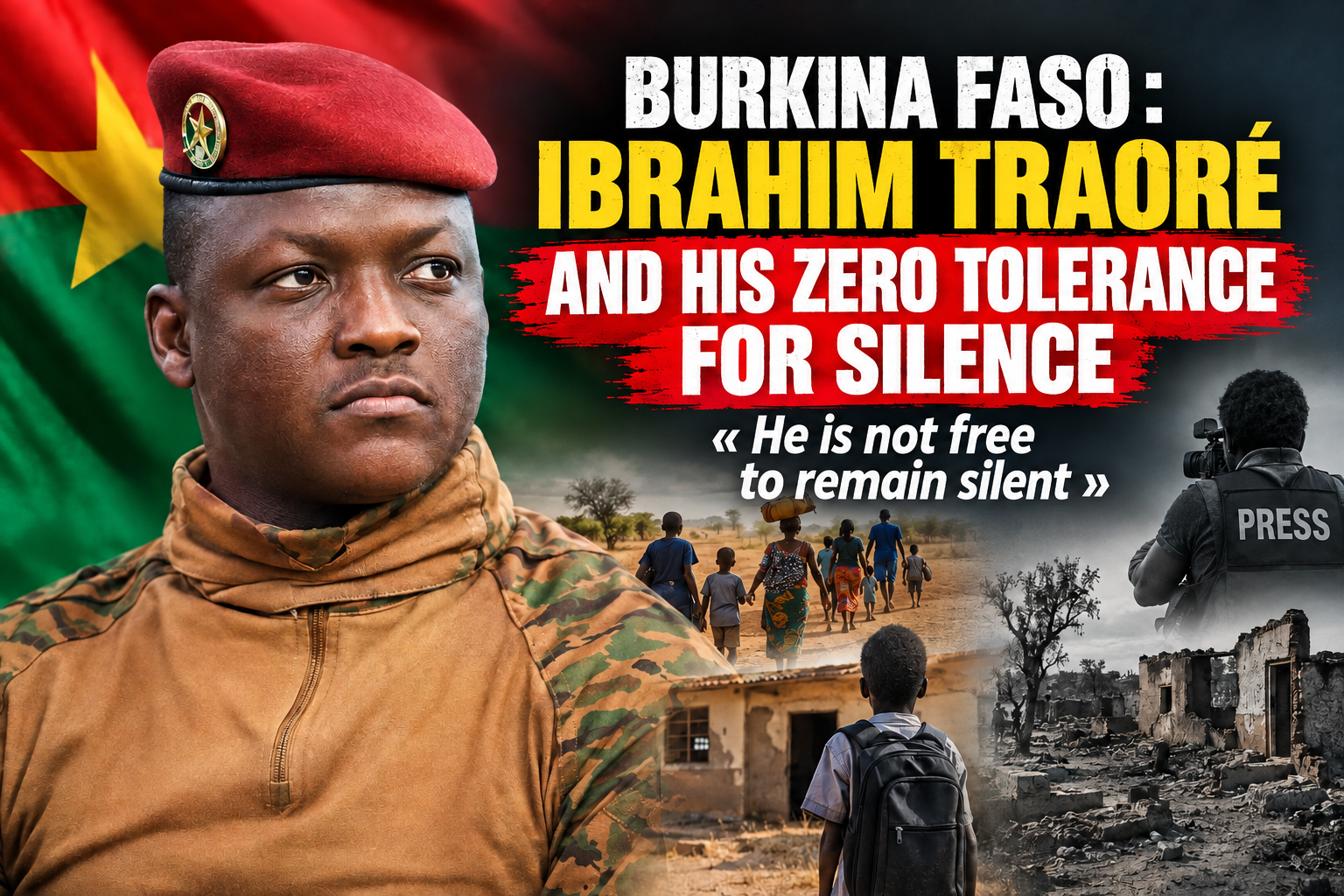
For Ibrahim Traoré, the threat is not theoretical—it is a daily reality. His government operates under a cloud of perpetual suspicion, with the military brass constantly on edge. Burkina Faso has already weathered multiple failed destabilization attempts this year alone, including high-profile incidents in early 2026 and late 2023. The fragile equilibrium in Ouagadougou rests precariously on a foundation of coercion rather than consensus.
As Traoré watches Niamey descend into chaos, he recognizes the same combustible mix fueling instability in his own country. The parallels are unmistakable:
- Soldier fatigue: Despite lofty rhetoric about sovereignty, the frontline pressure remains crushing. The blood of rank-and-file soldiers continues to be spilled, and their unmet demands for better conditions and resources are a tinderbox for rebellion.
- Factional divides: The repeated purges within Burkina Faso’s armed forces and the heavy reliance on the Volontaires pour la Défense de la Patrie (VDP) have deepened rifts between the inner circle of power and the career officers. The risk of rogue factions turning against the state has never been more acute.
Togo: A silent crisis at the heart of power
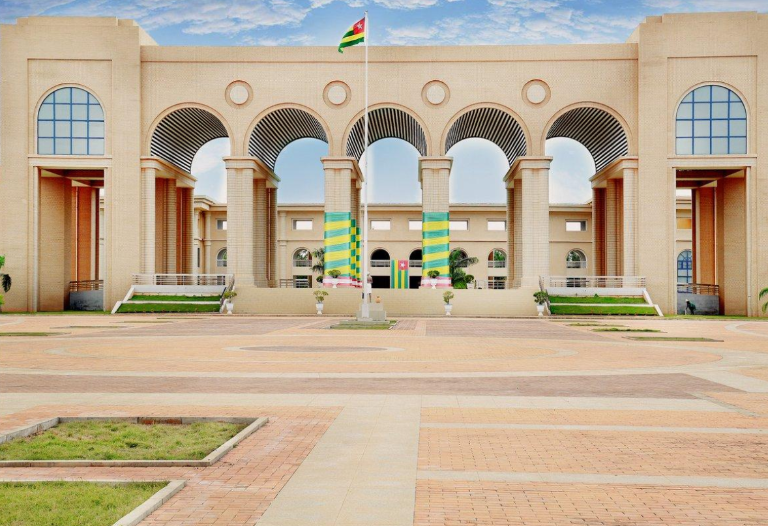
While Togo’s political climate may appear calmer on the surface, the unease within the corridors of power is undeniable. The urgency of Faure Gnassingbé’s sweeping military and intelligence reshuffle in August 2026 was no mere administrative shuffle—it was a calculated move to shore up defenses against internal threats.
The reshuffle reveals deeper anxieties:
- Barracks on edge: Togo’s involvement in regional geopolitical maneuvers and the deteriorating security situation in the North—particularly around the Koundjoaré operation—have sown discord among the military leadership.
- Palace paranoia: When a leader hastily replaces top military and intelligence officials, it signals a crisis of loyalty. Gnassingbé is acutely aware that the contagion of coups does not respect borders, and Togo’s historically powerful military remains a wildcard.
The domino effect of instability
The trio of Niamey, Ouagadougou, and Lomé has long wagered on military force to achieve political goals, but the recent events in Niger prove that such strategies are a double-edged sword. When the military becomes a tool for enforcing political will, command chains fracture, and institutions spiral out of control.
The lesson of August 29 in Niamey is unambiguous: violence begets violence. Traoré and Gnassingbé now face a harsh truth—the countdown to their own potential crises has begun. As long as legitimacy stems from the barrel of a gun rather than the stability of institutions, every night in Ouagadougou and Lomé will carry the weight of looming mutiny.