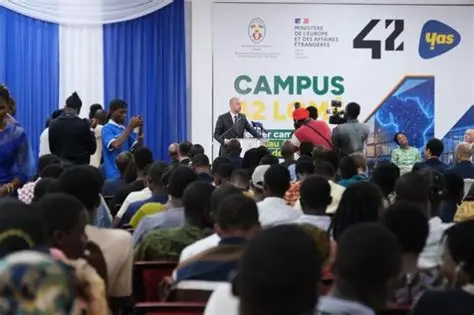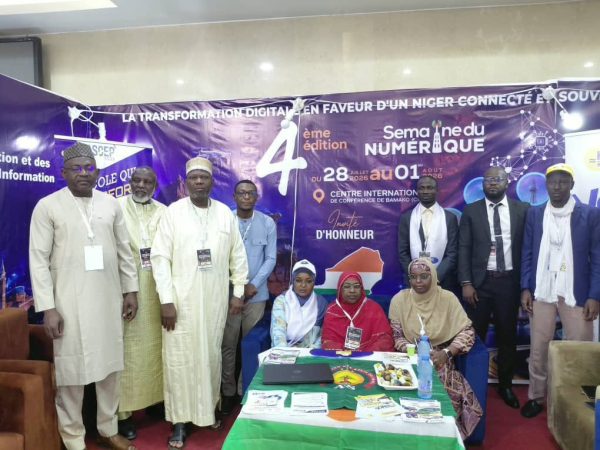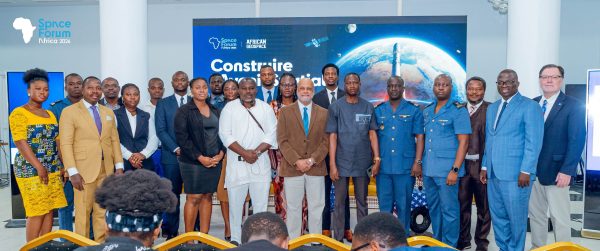
The Space Forum Africa 2026, held in Lomé from July 28 to 30, shifted perspectives on how space technologies can accelerate development across the continent. This three-day gathering brought together policymakers, researchers, investors, and entrepreneurs to explore a pivotal question: what if Africa’s next economic leap comes not from the ground up—but from the skies down?
For decades, Africa’s space ambitions were framed in grand terms: launching satellites, funding scientific programs, and training specialized talent. Yet in Lomé, the conversation took a decisive turn. The focus wasn’t on whether Africa could reach space—but on what space could bring back to Africa.
From orbit to farmland: using space data to power real decisions
The most compelling takeaway from the forum was the shift from cosmic exploration to ground-level impact. Space technologies are no longer reserved for research labs or national prestige. Today, satellite data powers agriculture, climate monitoring, disaster response, and even rural connectivity. In economies grappling with climate shocks, uneven access to information, and forecasting challenges, these tools are becoming essential decision-making aids.
Space is no longer about looking down at Earth—it’s about using that view to build stronger, smarter economies. As satellite data becomes more accessible, local tech ventures can harness it to create high-value solutions tailored to African needs—opening new markets and opportunities for young innovators across the continent.
Jim Adams and the NASA legacy shaping Africa’s space future
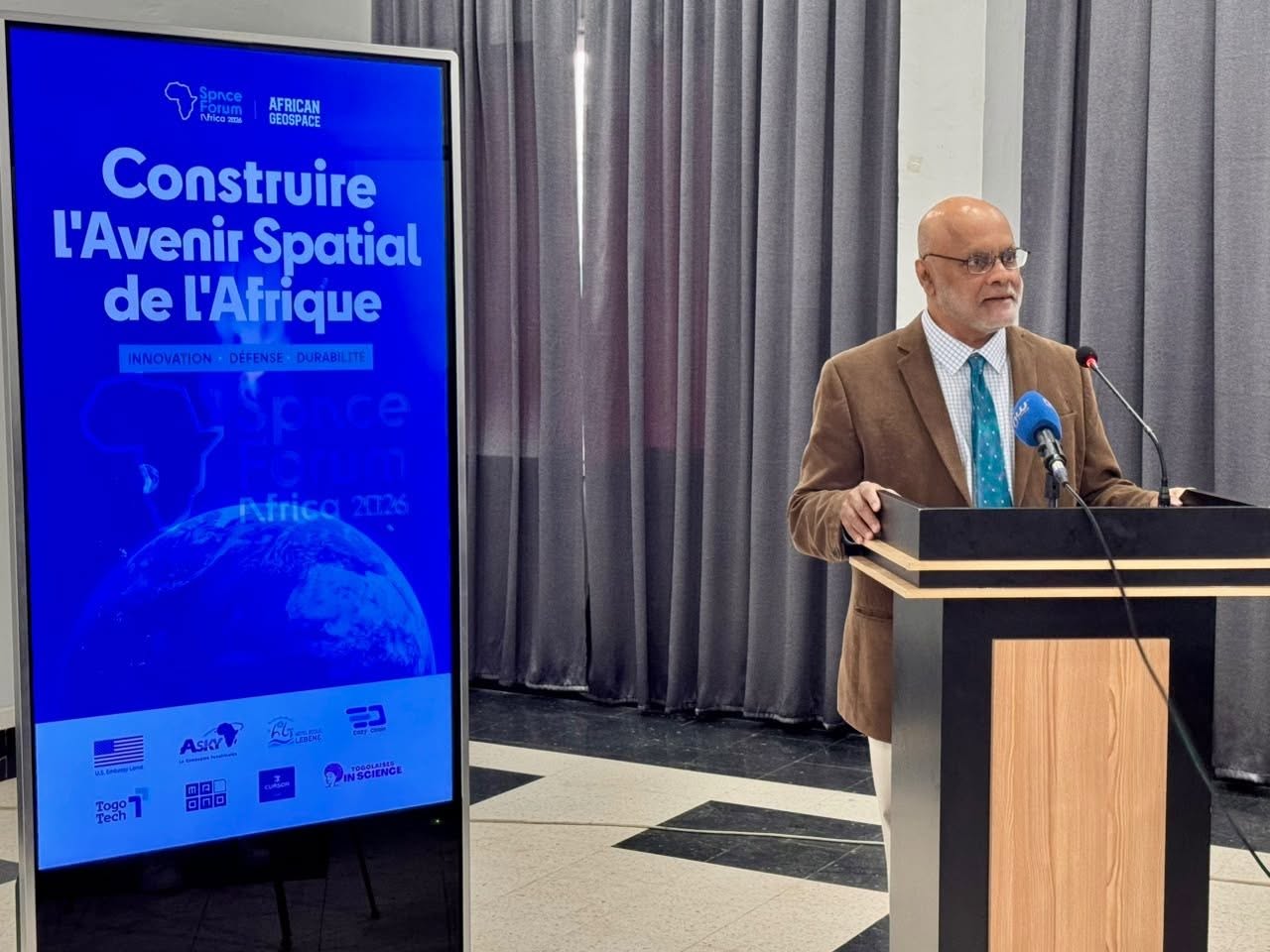
The U.S. Embassy in Lomé played a key role in facilitating the forum, including bringing in Jim Adams, a seasoned NASA veteran with over 40 years in space exploration and satellite innovation. His presence underscored how space technologies are already transforming sectors like agriculture, climate resilience, and disaster management.
But beyond applications, Adams highlighted a deeper economic question: who will develop tomorrow’s space technologies—and who will capture their value? His insights reinforced the idea that Africa doesn’t just need satellites—it needs the industries and enterprises that turn orbital data into local prosperity.
Building bridges: Africa-US partnerships in space innovation
The future of Africa’s space economy isn’t just about satellites or rockets—it’s about connections. The forum emphasized the growing importance of collaboration between African startups and U.S. companies in space technology and services. These partnerships go beyond science—they’re reshaping trade, investment, and knowledge exchange.
For African entrepreneurs, the challenge is clear: move beyond being consumers of foreign technology and become creators of homegrown solutions. For international partners, the opportunity lies in discovering fresh talent, unmet needs, and untapped markets across the continent. Together, they’re not just building bridges—they’re constructing the infrastructure of tomorrow’s space-driven economy.
Space as silent infrastructure: the engine behind African resilience
Space is becoming Africa’s invisible infrastructure. A satellite image can reveal drought patterns in the Sahel. A climate dataset can predict a flood before it happens. A communication link from orbit can connect a remote village to global markets. These aren’t futuristic fantasies—they’re realities being deployed today.
The Space Forum Africa 2026 in Lomé made one thing clear: space technologies are no longer about wonder—they’re about utility. From precision agriculture to disaster preparedness, from rural connectivity to climate action, space is quietly powering Africa’s growth and resilience.
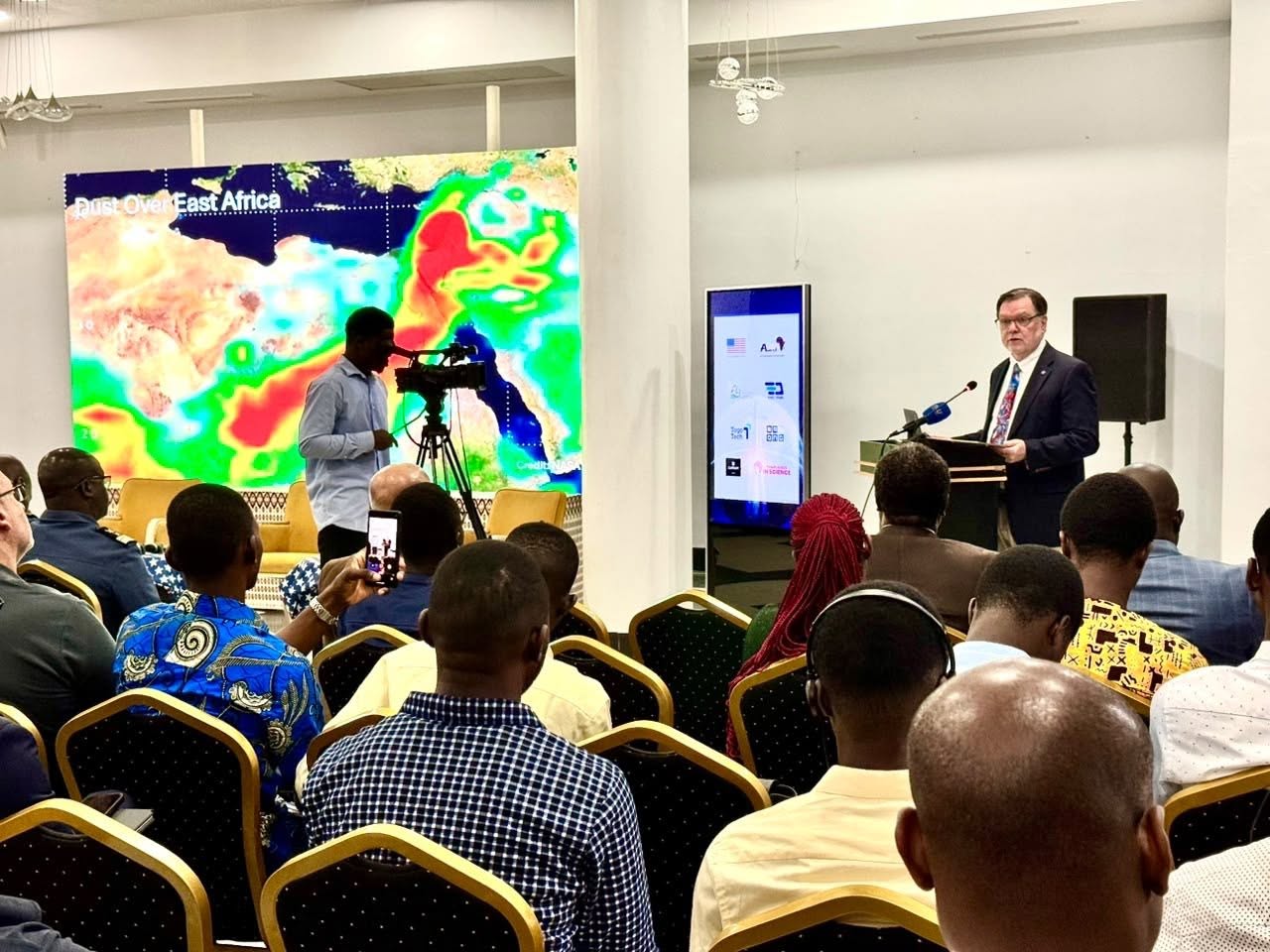
Washington and Lomé: expanding peaceful space innovation
By supporting the Space Forum Africa 2026, the U.S. Embassy in Lomé reinforced a commitment to peaceful, responsible use of space. But more than symbolism, the initiative aims to deepen ties between African innovators and the U.S. space ecosystem. The next milestone in Africa’s space journey may not come from launching a rocket—but from launching a startup that turns satellite data into a thriving business.
In Lomé, the conversation went beyond observing the sky—it positioned space as a new frontier for development, investment, and partnership across Africa.