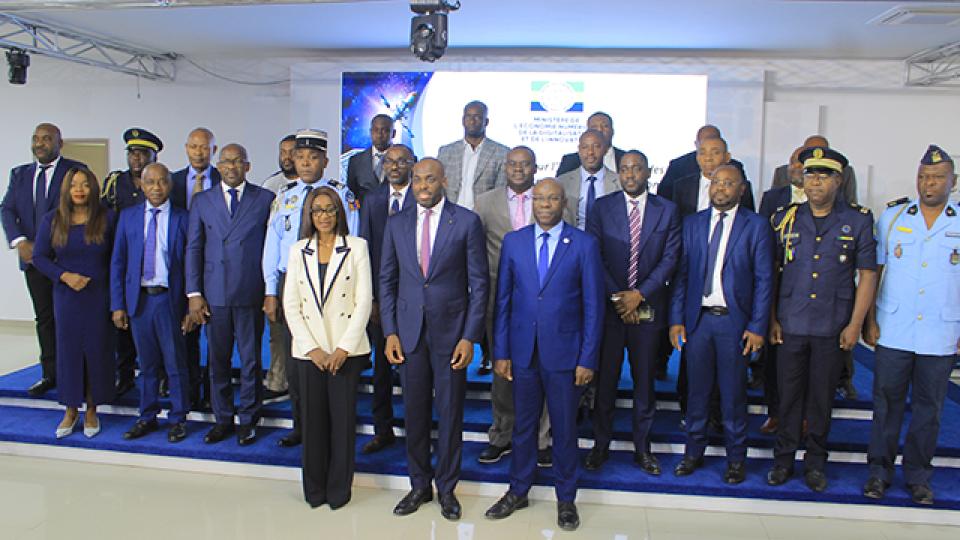
High-level discussions took place in Yaoundé between Cameroon Telecommunications (Camtel) and a delegation from Amazon Web Services (AWS), focusing on cloud computing, artificial intelligence, and satellite solutions. Judith Yah Sunday, CEO of the state-owned operator, met with AWS executives Raya Nassar and Terrence Naidoo, alongside Antoinette Manyaga from the U.S. Embassy’s technology services in Cameroon. While the talks covered multiple areas, no contracts, timelines, or financial details have been disclosed yet.
As a global leader in cloud services alongside Microsoft Azure and Google Cloud, AWS provides remote storage, computing power, and machine learning tools to businesses, government agencies, and developers worldwide. Its growing interest in Cameroon reflects the broader trend of American hyperscalers targeting Central Africa, a region with limited regional data center infrastructure.
Camtel’s push toward digital innovation
This meeting follows Camtel’s recent agreements, including a three-year framework with Ethio Telecom in late 2025 to expand mobile payments, public service digitization, government cloud solutions, and network modernization. Earlier in 2026, the company also engaged with Avanti Communications to explore satellite connectivity options, temporarily setting aside Starlink as a potential alternative. These initiatives underscore Camtel’s strategic shift from basic connectivity services toward higher-value digital solutions.
With an extensive fiber-optic network, mobile infrastructure, and local hosting capabilities, Camtel aims to become a key player in Sub-Saharan Africa’s digital transformation by 2030. Partnering with AWS could provide access to advanced cloud services, pre-built AI tools, and technical knowledge transfer for its workforce.
Digital sovereignty: balancing innovation and data control
The potential collaboration raises critical considerations regarding data governance. Storing data in AWS’s global infrastructure, outside Cameroon’s borders, could expose sensitive public or strategic information to foreign jurisdictions. On the other hand, establishing localized availability zones would require significant investment—a move AWS typically reserves for select African markets like South Africa, where it already operates a cloud region.
Additional challenges include pricing models, often billed in U.S. dollars and usage-based, which may strain Cameroon’s public sector budgets. Cybersecurity risks, service continuity, and clear delineation of responsibilities between Camtel and AWS must also be addressed. Furthermore, national data protection regulations will demand strict compliance measures, particularly for sensitive government and public enterprise data processing.
Next steps for a potential partnership
Several cooperation models remain under consideration: reselling AWS services through Camtel, hosting local solutions on Amazon’s infrastructure, training Cameroonian engineers in AWS tools, or jointly developing AI use cases for government agencies. None of these proposals have been finalized. The meeting serves as an initial formal introduction, with future outcomes contingent on the projects ultimately selected.
Cameroon is part of a regional trend where Francophone African governments are increasingly partnering with hyperscalers to address digital infrastructure gaps while safeguarding data sovereignty. For Camtel, the challenge lies in translating these discussions into a commercially viable offering tailored to a market where cost sensitivity and regulatory compliance remain top priorities. No agreements were announced following the meeting.