Sénégal struggles to draw foreign investment despite strong growth potential
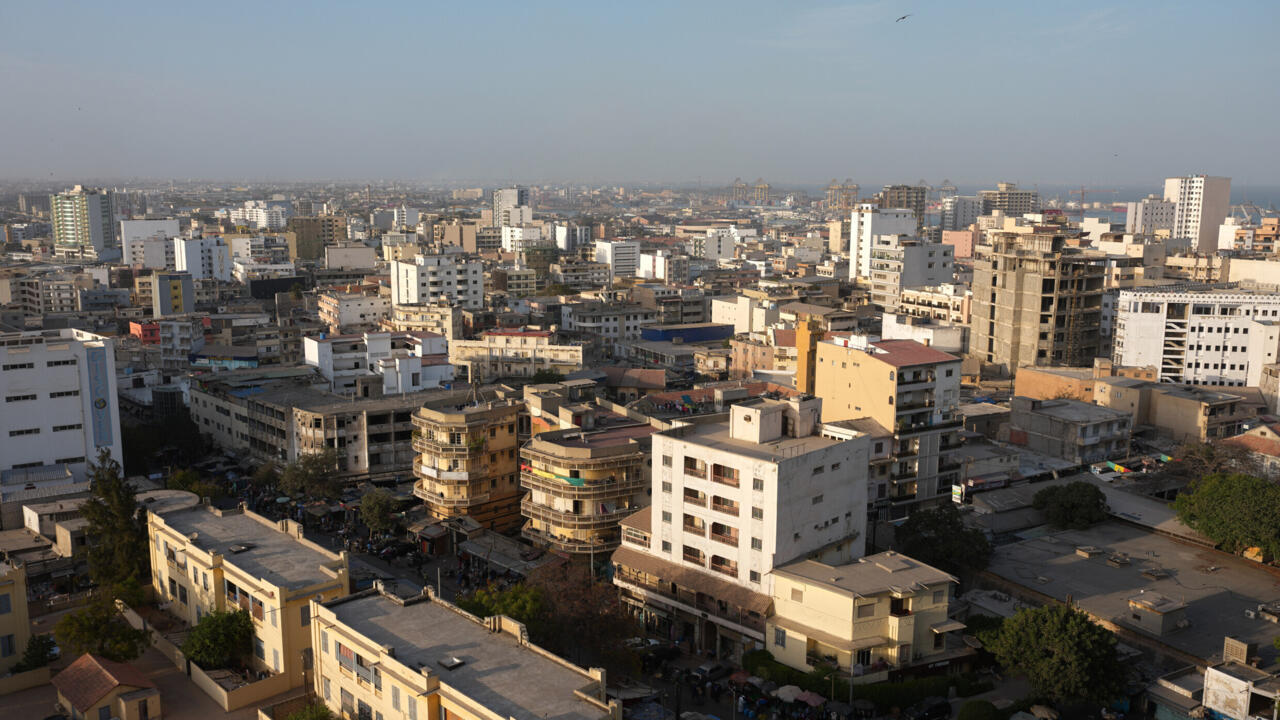
The Senegalese economy faces a sharp decline in foreign investment despite its growth potential
The surge in foreign direct investments (FDI) that once averaged $3 billion annually over the past four years has plummeted to just $37 million in 2025, according to the latest report from the United Nations Conference on Trade and Development (UNCTAD). Is this a sign of the end of a major investment cycle or a reflection of investor caution toward the government’s financial policies?
While the Sénégal boasts significant economic potential, the sharp decline raises questions about the country’s ability to sustain long-term growth. The drop in FDI follows a period of remarkable expansion, particularly driven by major oil and gas projects such as Sangomar and Grand Tortue. Most of these investments were directed toward infrastructure development, and the focus has now shifted to production.
Structural challenges hamper investment appeal
Despite this potential, Sénégal has failed to maintain the same level of foreign investment attraction. Moubarak Lo, former economic advisor to the Prime Minister and now a consultant, emphasizes the need for a more proactive approach: “Sénégal has the capacity to attract between $3 billion and $5 billion annually in foreign investments. However, this requires an active promotion strategy. Currently, the country lacks a dedicated network to attract foreign investors, unlike other nations. While roadshows are conducted, they are insufficient. A passive approach is not enough—proactive measures are essential.”
The country excels in attracting portfolio investments, such as government bonds and treasury bills, but struggles to do the same for direct investments. This discrepancy highlights a critical gap in the country’s economic strategy.
Debt concerns overshadowed by lack of transparency
The country’s high public debt, which reached 132% of GDP by the end of 2024 according to the International Monetary Fund (IMF), could deter investors. However, experts argue that private investors are less concerned about debt levels. Justin Maria, Managing Director of Access Bank France, points out that high debt does not necessarily deter investment, citing France as an example, where private investors remain active despite a public debt exceeding €3.5 trillion.
Instead, the lack of transparency in financial management appears to be the bigger concern. “Sénégal is now perceived as a high-risk country, not necessarily due to long-term fundamentals—since no one has a crystal ball—but because the short-term outlook for public finances and liquidity remains unclear,” explains Maria. This uncertainty is what is holding back potential investors.
Recovery prospects within reach
Moubarak Lo dismisses the “high-risk” label, asserting that Sénégal has the tools to quickly restore its appeal. The IMF’s decision to suspend its program at the end of 2024 has not stalled progress. “The country currently has 20 to 30 major projects in the pipeline. Each project must be presented individually to the five or six key global companies capable of investing in the country. With a targeted approach, we can turn the tide as early as this year or, more realistically, by 2027,” he states.
While Sénégal faces these challenges, other nations in the region have seen their FDI inflows rise. For instance, Guinea attracted over $7.7 billion in 2025, according to UNCTAD’s report.