Cotonou’s quiet savings puzzle: inside West Africa’s push for financial sovereignty
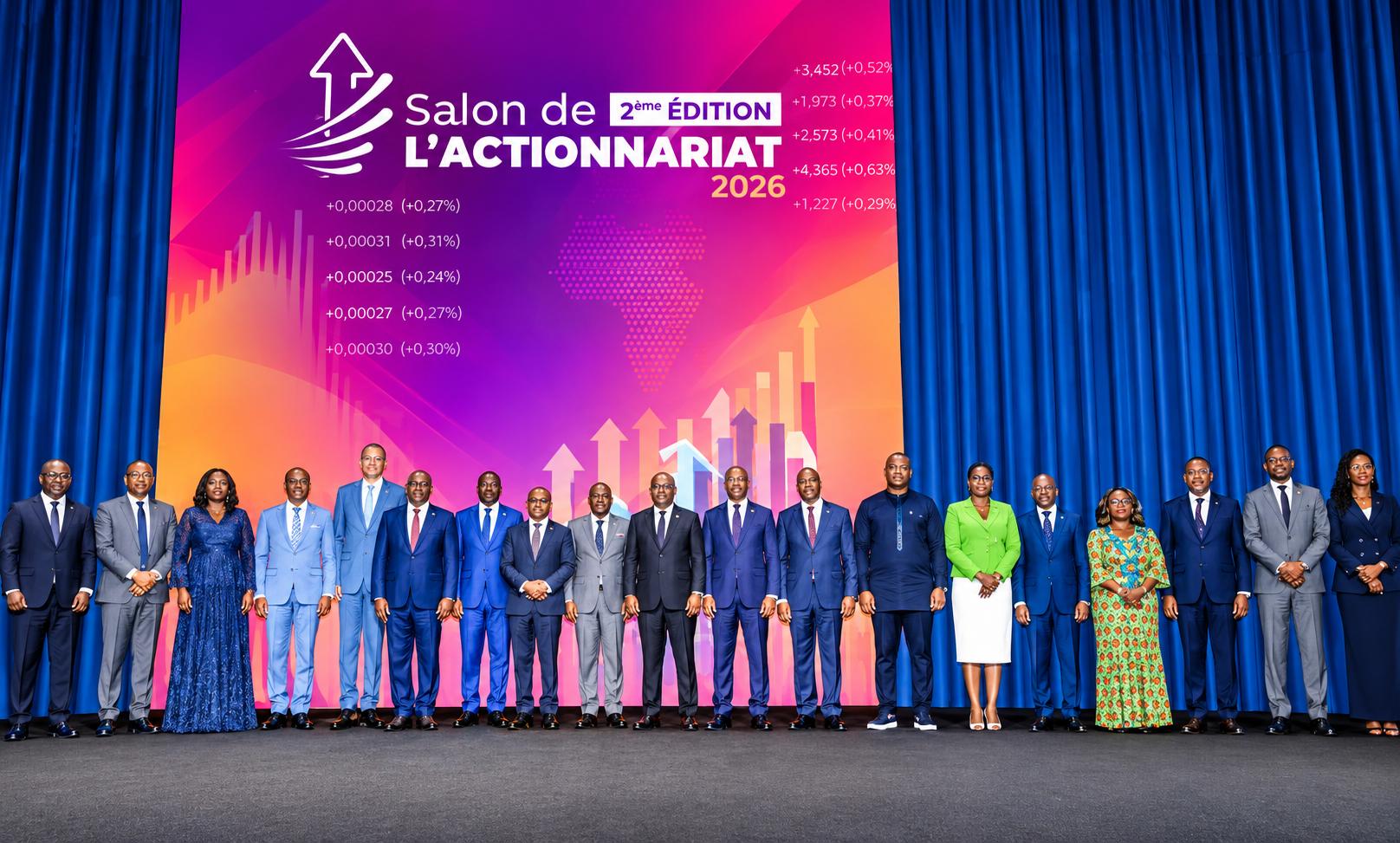
Why local savings hold the key to West Africa’s financial future
When institutional leaders, business executives, and market specialists gathered in Cotonou from 17 to 18 September 2026 for the second edition of the Regional Shareholding Forum, they were not just discussing policy — they were confronting a structural contradiction that has quietly shaped West Africa’s economic trajectory for years.
Organised by UCA SGI and Dimensions GROUP under the theme “Shareholding and Financial Sovereignty: Mobilising Savings to Accelerate Economic Transformation,” the forum revealed an uncomfortable truth: despite robust growth across the West African Economic and Monetary Union (WAEMU), regional financial markets remain unable to fully capture domestic savings.
The root causes behind idle capital
This is not simply a matter of missing infrastructure. It is a deeper cultural and structural issue. Savings in the region tend to sit dormant in accounts or flow toward extremely short-term instruments, never making the leap into productive capital. The result is a paradox: countries with growing economies still rely heavily on external capitalisation, leaving them exposed to shifts in global financial conditions.
For institutional players and regulators, the diagnosis is clear. Strengthening popular shareholding — turning ordinary savers into equity holders — could be the decisive lever. By converting idle or short-horizon savings into long-term equity, the region could supply small and medium-sized enterprises, as well as larger local groups, with the own funds they need to expand.
Three axes that shaped the Cotonou discussions
The forum’s working sessions focused on several major areas:
- Access to capital markets: Making it easier for local companies to list on the Regional Stock Exchange (BRVM) and injecting new momentum into regional equity trading.
- Inclusion and innovation: Using digital tools to bring investment opportunities closer to the general public and to foster financial literacy.
- Regulatory frameworks and public policy: Adapting tax and legal mechanisms to sustainably steer savings toward infrastructure and private-sector financing.
A strategic sovereignty issue, not just a financial one
Representatives from the Central Bank of West African States (BCEAO), the WAEMU Commission, and the Financial Markets Authority emphasised the structural nature of this agenda. By making local economies less dependent on external funding, states and businesses across the sub-region would strengthen their resilience against exogenous shocks and international market volatility.
As the Cotonou sessions concluded, one message resonated across the room: there is an urgent need to encourage every citizen to become a direct player in regional economic growth through shared investment.
What happens if the call goes unanswered
The stakes extend beyond abstract policy. If domestic savings continue to flow toward short-term placements or remain outside the financial system altogether, West Africa risks perpetuating its reliance on foreign capital — capital that can retreat quickly when global conditions tighten. The alternative, as outlined in Cotonou, is a gradual but deliberate shift: from savers to shareholders, from idle deposits to productive equity, from financial dependency to regional sovereignty.