Benin just crossed a line: Sèmè City and Reims launch the country’s first sustainable engineering master’s
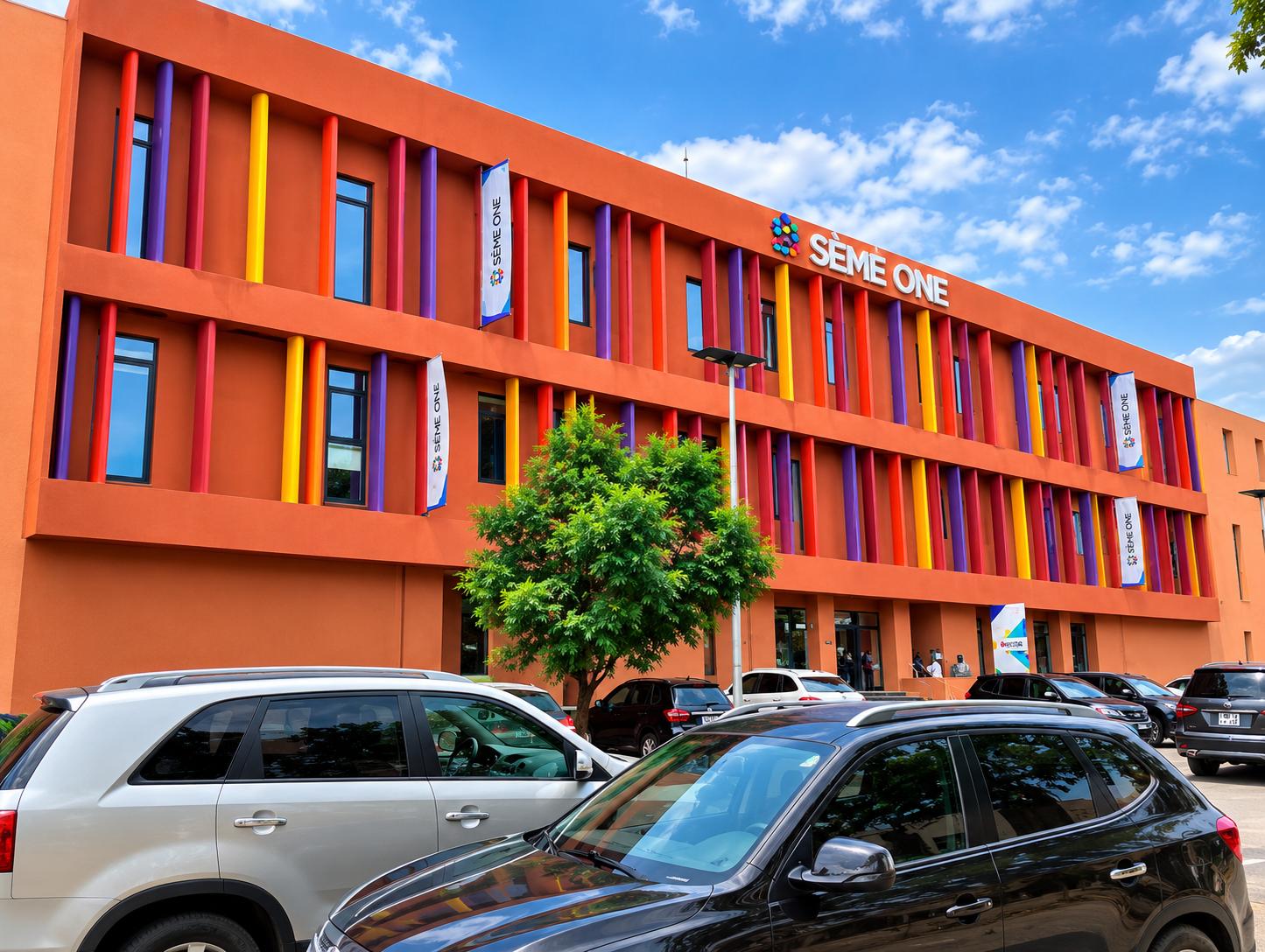
Something shifted in Benin’s higher education landscape on September 15, 2026. The Sèmè City Institute of Technology (SCITI) and the University of Reims Champagne-Ardenne (URCA) signed a strategic agreement to open a Master’s program in “Design Engineering – Sustainable Engineering track.” This is not another memorandum of understanding. It is a decisive move that places the training of Benin’s own technical leaders squarely on national soil.
A first for SCITI and a turning point for Benin
This new degree marks the very first Master’s-level program delivered by SCITI, the engineering school embedded within Sèmè City, Benin’s national innovation hub. Born out of cooperation between the Beninese government and the French university, the track leads to an international diploma aimed at cultivating a fresh generation of technical executives without sending them abroad.
What students will actually learn
The curriculum covers the entire life cycle of products and infrastructure. Learners will be trained to weave environmental, economic, and performance criteria into every stage, starting from the earliest theoretical modeling phase. In practice, that means graduates will be equipped to design with sustainability as a core constraint, not an afterthought.
From execution to conception
This initiative is part of Benin’s broader economic and industrial transformation policy. For years, the sub-region relied on imported technology and outside expertise for its major construction projects. The government now intends to produce engineers capable of building solutions that match local realities.
Why this matters for industry
The stated goal is to strengthen the human capital needed to support the country’s industrial zones, such as the Glo-Djigbé Special Economic Zone (GDIZ), and to anchor Benin among West Africa’s technology and innovation hubs. By training designers rather than assemblers, the partnership aims to reduce dependence on foreign know-how and keep value creation closer to home.
With this agreement, Benin is not just adding a degree. It is signaling that the country intends to design its own future, one engineer at a time.