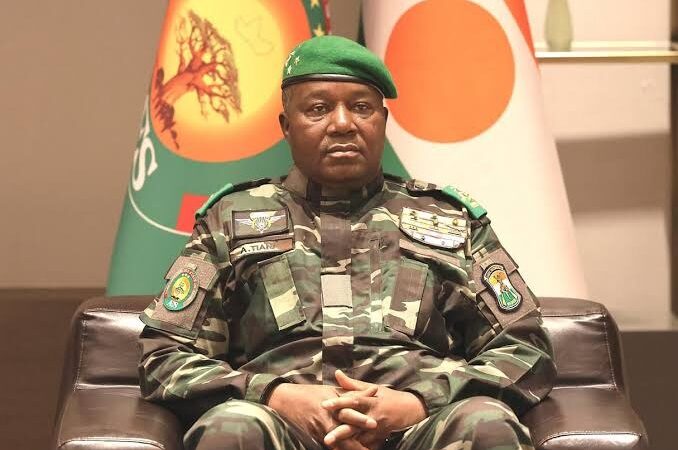
General Moussa Salaou Barmou and the American doctrine that jolted Niger’s special forces into a new era
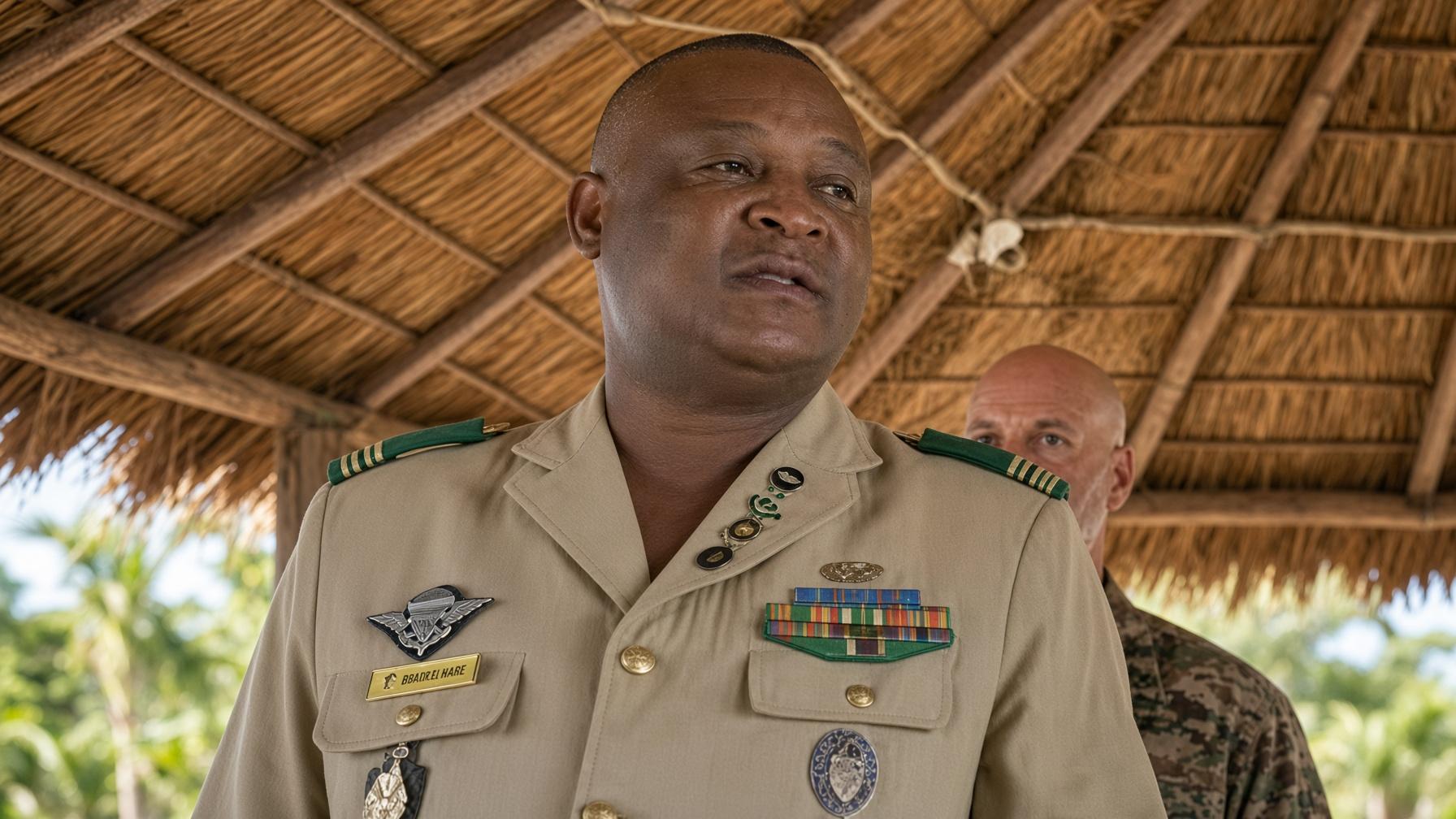
General Moussa Salaou Barmou did not simply rise through the ranks of Niger’s military. He made a calculated leap. From the dusty training grounds of Fort Moore to the strategic halls of the National Defense University in Washington, he absorbed the core of American military doctrine—and then brought it home. That decision, made years before he became a household name, marked the decisive shift that would reshape Niger’s special forces and set a new course for the country’s fight in the Sahel.
A career forged in the crucible of US military schools
Barmou’s professional trajectory reads like a map of American military excellence. At Fort Moore (formerly Fort Benning) in Georgia, he completed the US Army Infantry School, where small-unit tactics, close-quarters combat, and relentless physical conditioning are the daily bread. The experience did not just harden him—it rewired his approach to warfare.
He later earned a diploma from the College of International Security Affairs (CISA) at the National Defense University in Washington. There, he dove into strategic planning, counterterrorism, and the analysis of asymmetric threats. This dual immersion—one foot in the mud of infantry drills, the other in the intellectual rigor of policy—gave him a rare toolkit: the ability to react fast, to trust small autonomous units, and to weave intelligence into every decision.
From doctrine to boots on the ground: building Niger’s special forces
When Barmou took command of Niger’s special forces, he did not start from scratch. He started from a blueprint. The unit he shaped mirrored the structure of the US Special Operations Command (USSOC). Selection standards were raised. Rapid interception drills became routine. Small, mobile patrols replaced bulky formations.
His operational record soon spoke for itself. Working side by side with American troops stationed at Agadez (Base 201) and Niamey, he orchestrated complex counterinsurgency missions. In the Lake Chad basin, his forces took the fight to Boko Haram. In the three-border zone, they confronted groups linked to the Islamic State. These were not theoretical exercises—they were real battles, won with the kind of agility that only comes from deep, repeated training.
Barmou also mastered the art of military diplomacy. His fluency in American military culture made him the natural point of contact for the Pentagon. When negotiations grew tense after the 2023 coup, it was his credibility—earned through years of shared doctrine—that kept a direct channel open with US diplomats. That channel proved invaluable.
The turning point: leadership at the heart of Niger’s transition
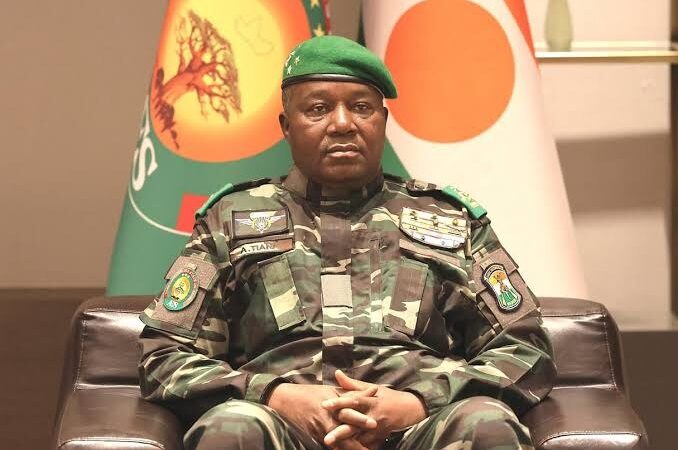
As a central figure alongside General Abdourahamane Tiani within the CNSP, Barmou served as Chief of Defence Staff (CEMA). In that role, he redrew Niger’s security map and helped coordinate the Alliance of Sahel States (AES) before the military command was restructured in September 2026. His influence within the Nigerien armed forces is not just about rank—it is about a mindset. He brought modern warfare methods and American pragmatism into the harsh, shifting reality of the Sahel theatre.
For Barmou, the American chapter was never just a line on a CV. It was the moment he decided to change how Niger fights. And that decision continues to shape the battlefield today.