Why Benin and Cuba are quietly rewriting their economic playbook from Cotonou
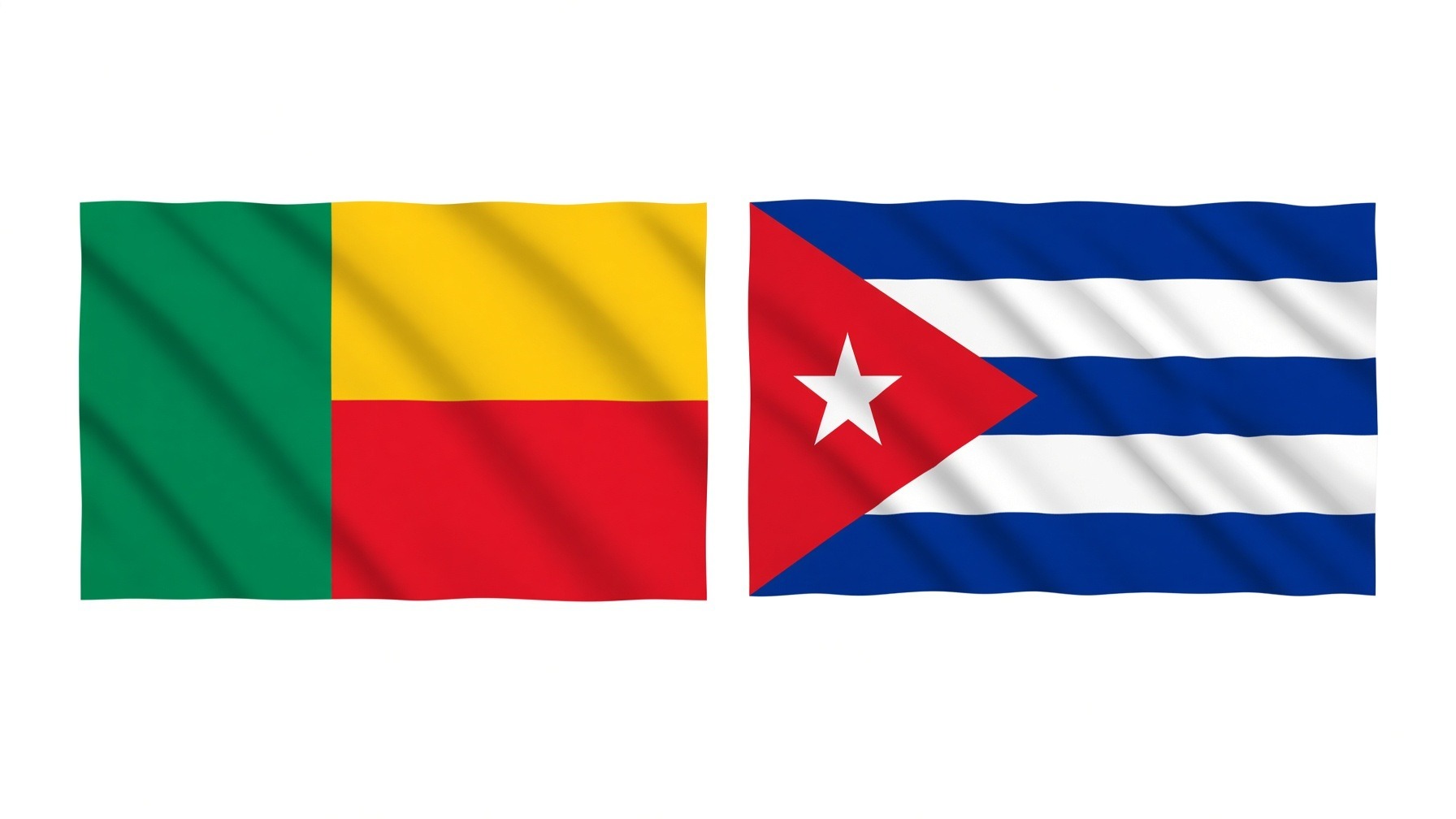
The quiet mechanics behind a partnership reboot
Something more calculated than mere diplomatic courtesy is unfolding between Cotonou and Havana. When Cuba’s ambassador to Benin, Denisse Amaro Salabarría, sat down with the leadership of Benin’s Chamber of Commerce and Industry (CCI Bénin), the conversation went far beyond handshakes and photo opportunities. What emerged was a shared recognition that a decades-old friendship needs fresh economic wiring to stay relevant — and both capitals appear ready to do the work.
A 2002 framework that never really went away
To understand why this moment matters, it helps to look backwards. Benin and Cuba have long shared a bond built on cultural affinity and a steady tradition of South-South solidarity. On paper, that bond took institutional shape through a framework agreement struck in 2002 between the two countries’ chambers of commerce. For years, that agreement sat largely dormant. Now, with global trade patterns shifting and both economies seeking new outlets, Cotonou and Havana are dusting it off and asking a harder question: how do we turn an old signature into actual business?
Four sectors where the interest is real
The Cuban side came to the table with a concrete pitch. Havana’s recent economic reforms, aimed at drawing foreign investment, were laid out for Beninese entrepreneurs as an open door rather than a distant promise. Four priority areas stood out as natural starting points:
- Agro-industry and food production, where both countries see room for joint ventures
- Renewable energy, a sector Cuba is actively trying to expand
- Tourism and cultural engineering, drawing on Cuba’s global brand recognition
- Biotechnology and pharmaceuticals, a field where Cuban expertise carries serious international weight
To move these conversations from theory to transaction, Beninese firms were formally encouraged to take part in the Havana International Fair (FIHAV), the Caribbean region’s flagship commercial gathering. The invitation was not symbolic — it was a test of whether interest translates into presence.
Benin’s counter-offer: a gateway, not just a partner
The CCI Bénin delegation did not come empty-handed either. Their message to Cuban operators was direct: Benin is not simply a market, it is an entry point. With the Port of Cotonou undergoing continuous modernization, the country is positioning itself as a logistics and commercial platform for the wider West African sub-region. The logic is straightforward — Cuban goods and services entering through Benin could reach markets that would otherwise be costly or complicated to access directly.
What happens after the meeting matters most
Diplomatic encounters often produce warm statements and little else. What distinguishes this one is the follow-through mechanism both sides agreed to build: a roadmap with regular check-ins on commitments made. That alone signals a shift from ceremonial partnership to something more operational.
The deeper story here is not the relaunch itself — it is the reasoning behind it. Benin wants diversified trade partners and a stronger role as a regional hub. Cuba wants investment and commercial reach beyond its traditional circles. A 2002 framework, a fresh round of talks, and four targeted sectors may not sound dramatic. But in the slow-moving world of bilateral economics, that combination is exactly how quiet shifts begin.