Senegal: Opposition leader Ousmane Sonko explains why Pastef declined government participation

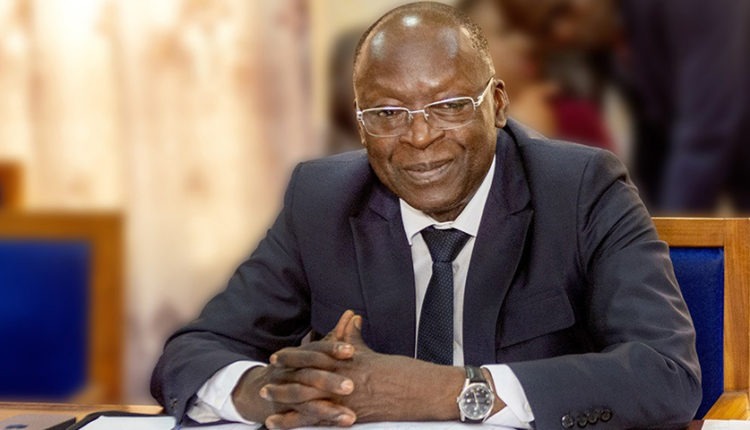
The leader of Senegal’s Pastef party, former Prime Minister Ousmane Sonko, held a press conference on June 2 to address the party’s decision to reject an invitation to join the new government announced the previous day by President Bassirou Diomaye Faye’s administration.
Sonko outlined fundamental disagreements with the president’s team on critical policy matters and cabinet allocation, describing the positions as fundamentally incompatible. Key programmatic priorities for Pastef—including judicial independence, financial transparency, and renegotiation of major national contracts—remained unaddressed to his satisfaction.
Regarding debt management, Sonko stated that President Faye explicitly avoided committing to restructuring arrangements with the International Monetary Fund, instead suggesting incremental price adjustments for subsidized goods as a measure to address purchasing power concerns. Sonko dismissed these responses as insufficient, describing them as “lukewarm at best.”
Unmet demands on governance priorities
The opposition leader emphasized that Pastef had requested formal assurances from the administration regarding debt strategy, but received no binding commitments. On judicial reform—a cornerstone of the party’s platform—Faye claimed Senegal already possessed “the world’s best judiciary,” a statement Sonko found dismissive of ongoing systemic challenges.
Cabinet composition presented another insurmountable hurdle. Sonko stated he had informed the president that Pastef would only consider participation if allocated at least half of all ministerial portfolios. The final allocation—five positions nominally held by party members but not recognized by Pastef—fell far short of this demand.
While Sonko acknowledged the government’s limited representation from his ranks, he warned against misinterpreting this as tacit acceptance of the new administration. He reserved the right to challenge the government through no-confidence motions, but vowed to do so only in response to “first strikes” from the presidential camp.

Thérèse Nguimfack
Journalist
Related Story