Senegal: why Sonko’s Pastef rejected Faye’s new cabinet

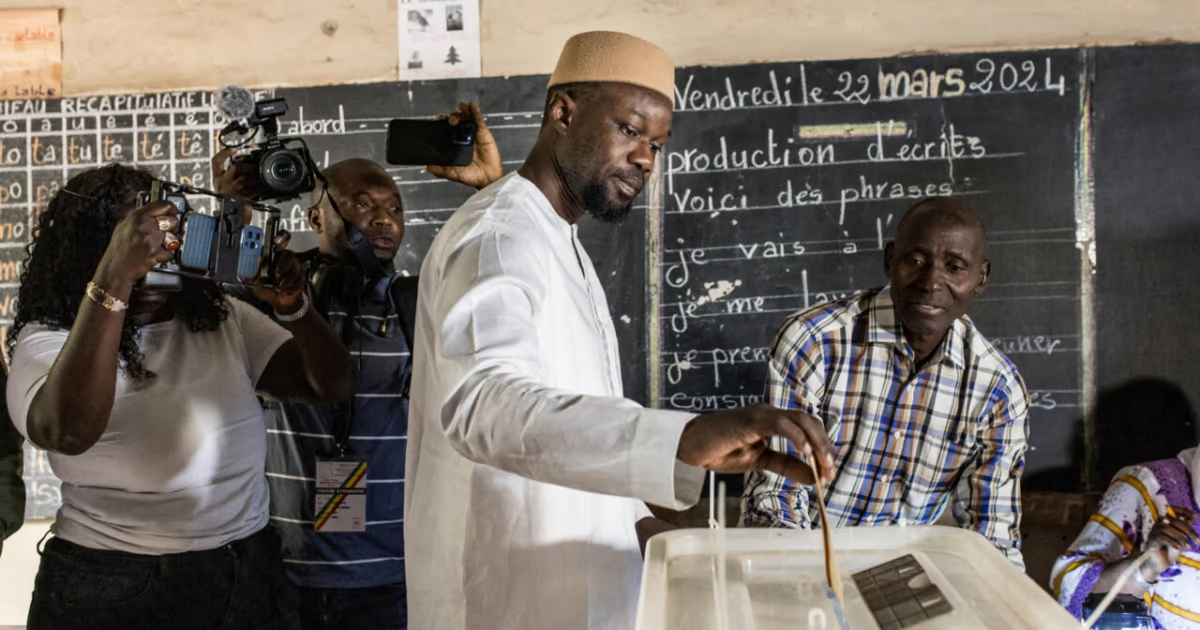
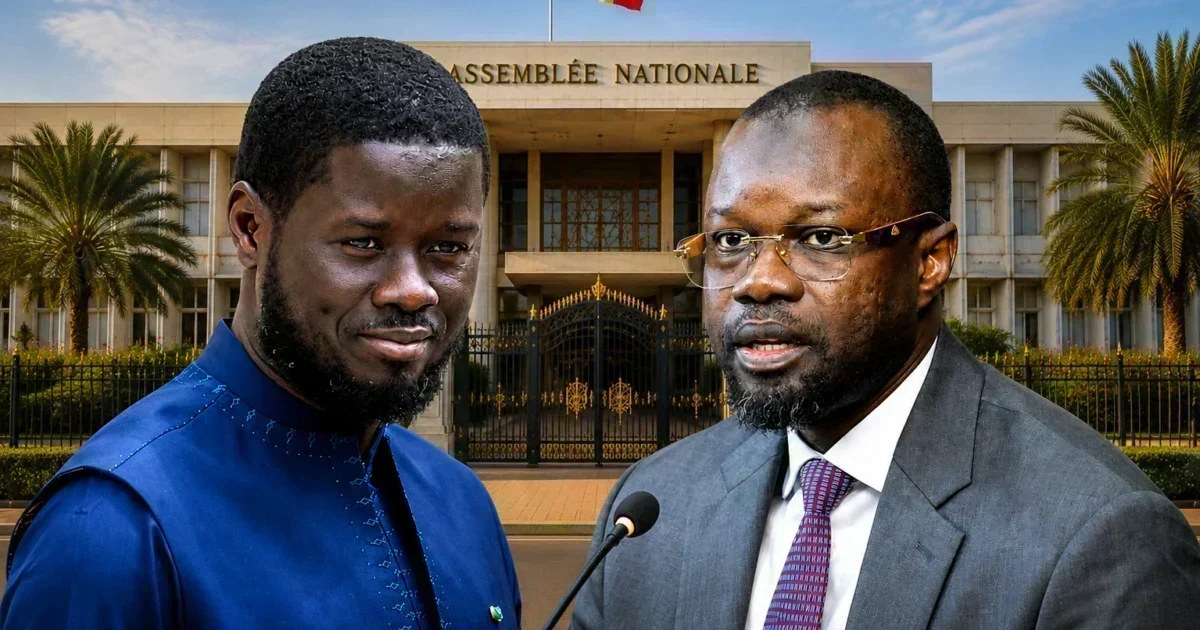
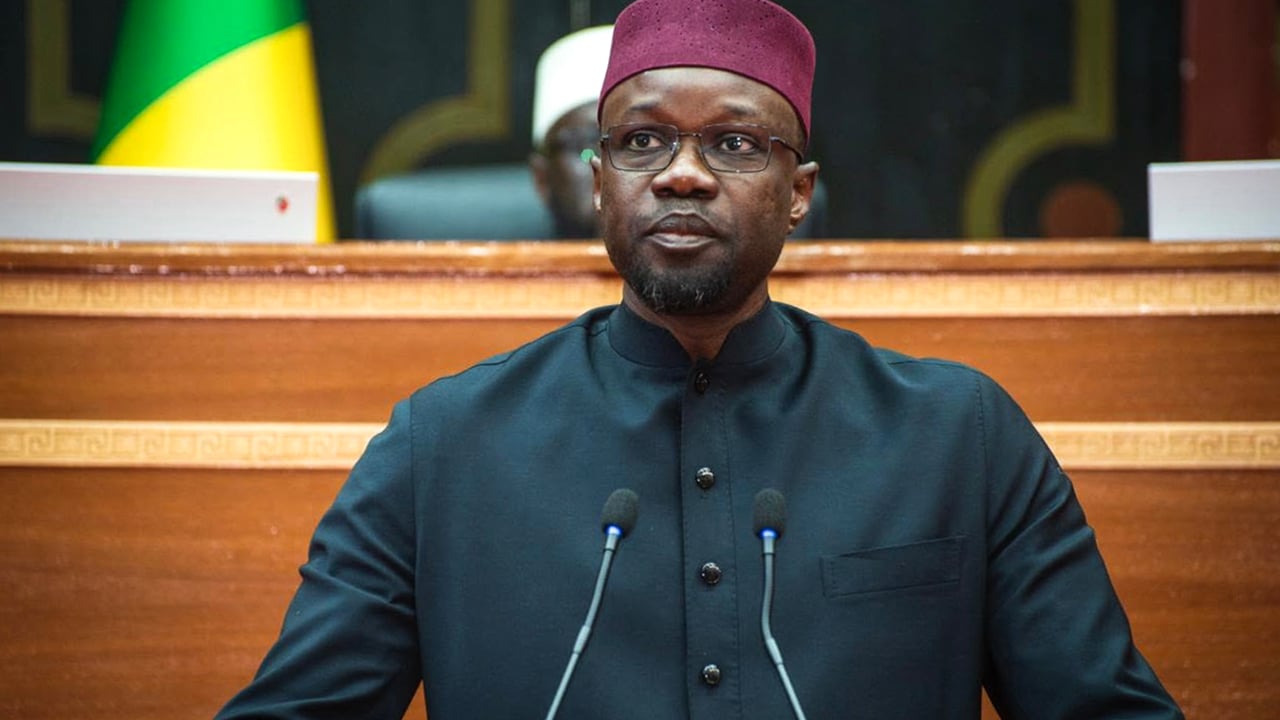
Ousmane Sonko, Senegal’s former Prime Minister, on Tuesday addressed reporters in Dakar to explain why his party, Pastef, declined an invitation to join President Bassirou Diomaye Faye’s newly unveiled cabinet.
The announcement of the government’s composition came just a day before Sonko’s press conference, leaving little time for public reflection on the exclusion. Key sticking points emerged during private discussions between Sonko and the president, revealing deep gaps over policy priorities and ministerial allocations.
Sonko highlighted unresolved concerns over the FMI debt restructuring strategy, the urgency of subsidy reforms to stabilize purchasing power, and the need for judicial accountability—all central pillars of Pastef’s electoral platform. He claimed President Faye’s responses lacked concrete commitments, particularly on debt management.
Sonko’s assessment: « All answers were lukewarm »
« The president and his Finance Minister made it clear they have made no commitments to the FMI regarding debt restructuring, » Sonko noted. « On purchasing power, he suggested applying price transparency only where possible for subsidized goods. And on justice, he insisted Senegal boasts the best judicial system in the world. » These vague assurances, Sonko argued, fell short of the guarantees Pastef demanded before considering participation.
Ministerial portfolios also became a flashpoint. Sonko insisted Pastef would only enter a government where it held at least half of the key ministries. The president’s final lineup included five Pastef-aligned ministers, but Sonko dismissed them as illegitimate since they were not formally endorsed by his party.
Despite the refusal, Sonko struck a conciliatory tone, stating Pastef would not file a vote of no-confidence « unless the president and his team strike first. » The party’s stance underscores ongoing tensions between its reformist agenda and the administration’s approach to governance.