Niger strengthens health systems with integrated digital ecosystem
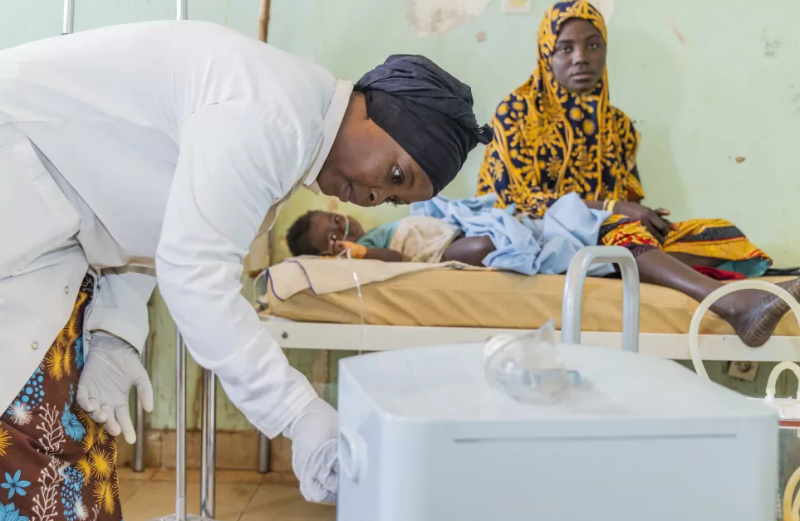
The Government of Niger is advancing its healthcare capabilities through a comprehensive bilateral agreement with the United States, injecting $179.3 million into a five-year health cooperation program. This initiative aligns with the U.S. “America First” global health strategy, targeting critical areas such as malaria prevention, maternal and child health improvements, and epidemic response systems.
Strategic investments for sustainable health outcomes
The U.S. Department of State has earmarked $107.4 million to support Niger’s health sector. This funding will focus on:
- Malaria elimination: Expanding prevention and treatment programs to reduce transmission rates
- Maternal and child health: Strengthening healthcare services for women and children
- Epidemic preparedness: Enhancing disease surveillance and rapid response mechanisms
Niger is contributing $71.9 million from its own resources, demonstrating a strong commitment to national ownership of health initiatives. This partnership model ensures long-term sustainability and local engagement in health system strengthening.
Digital transformation in healthcare delivery
A $5 million component of the agreement will fund the deployment of an integrated digital health ecosystem. This innovative platform will include six interconnected information systems:
- Electronic medical records: Digital patient histories for improved continuity of care
- Laboratory management: Streamlined diagnostic processes and results tracking
- Pharmacy systems: Efficient medication dispensing and inventory control
- Epidemiological surveillance: Real-time disease monitoring and outbreak detection
- Health commodity tracking: Automated supply chain management
- National data warehouse: Centralized health information repository
This digital infrastructure aims to enable early detection of health threats and rapid response capabilities, helping Niger address potential epidemics before they escalate.
Global health security through international cooperation
The Niger-U.S. partnership reflects a broader commitment to global health security. Similar agreements have been established with other nations, including the Dominican Republic ($60.8 million), which focuses on HIV/AIDS response and implements the “7-1-7” surveillance system (detect within 7 days, investigate within 1 day, and respond within 7 days).
Together, these initiatives represent over $240 million in combined investments, strengthening health systems and pandemic preparedness across multiple countries.
Impact on Niger’s health landscape
This comprehensive approach to health system strengthening will have far-reaching effects on Niger’s healthcare landscape:
- Improved detection and response to emerging health threats
- Enhanced quality of care through digital integration
- Stronger local capacity for health program management
- Better resource allocation and utilization
- Increased resilience against future health crises