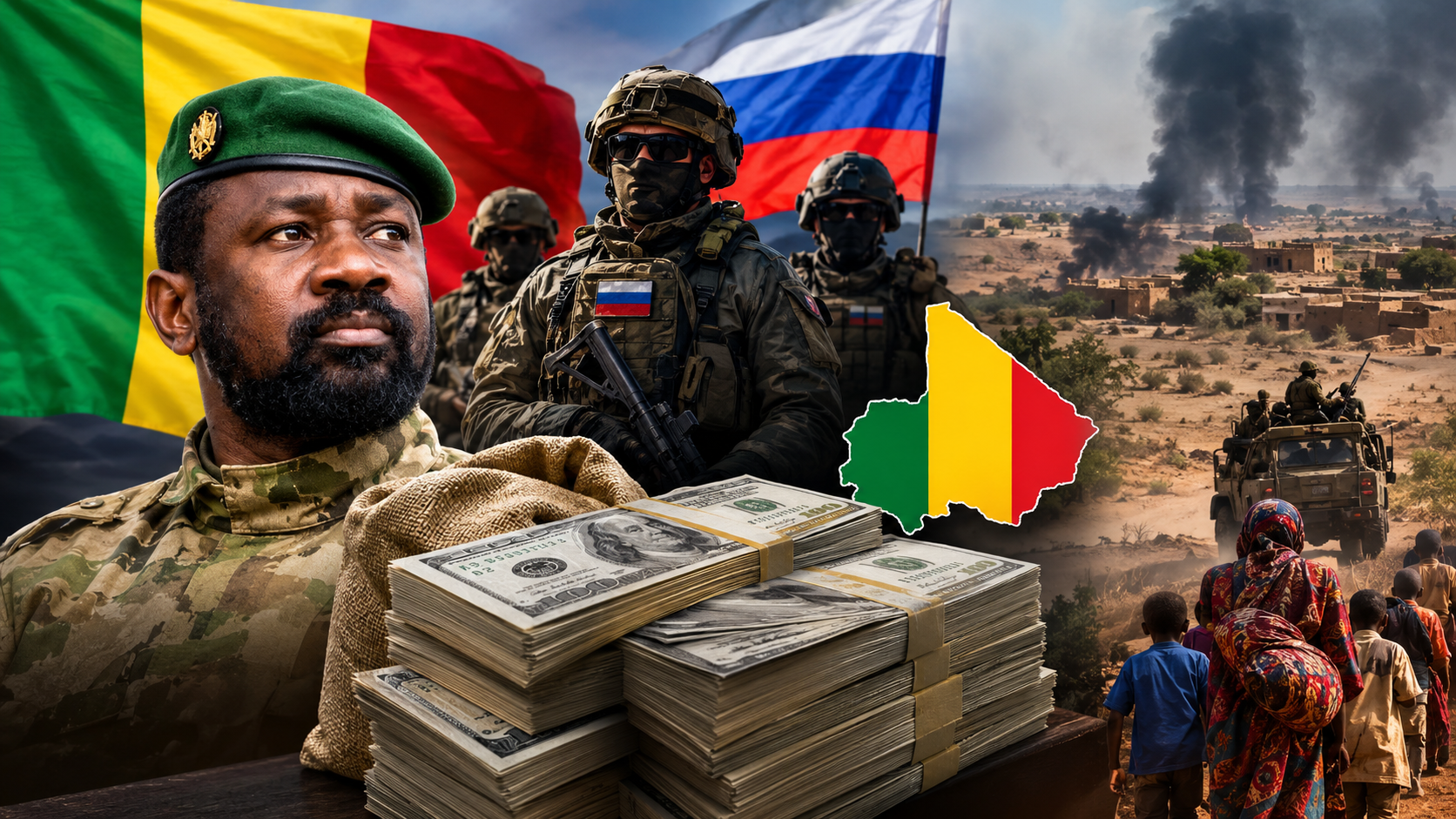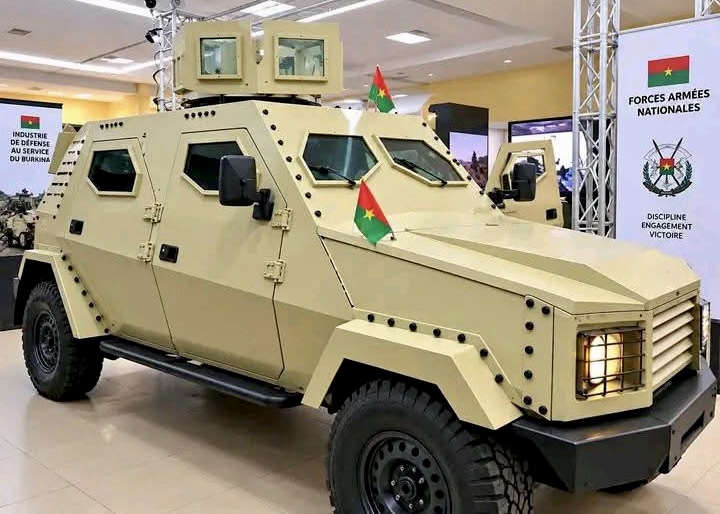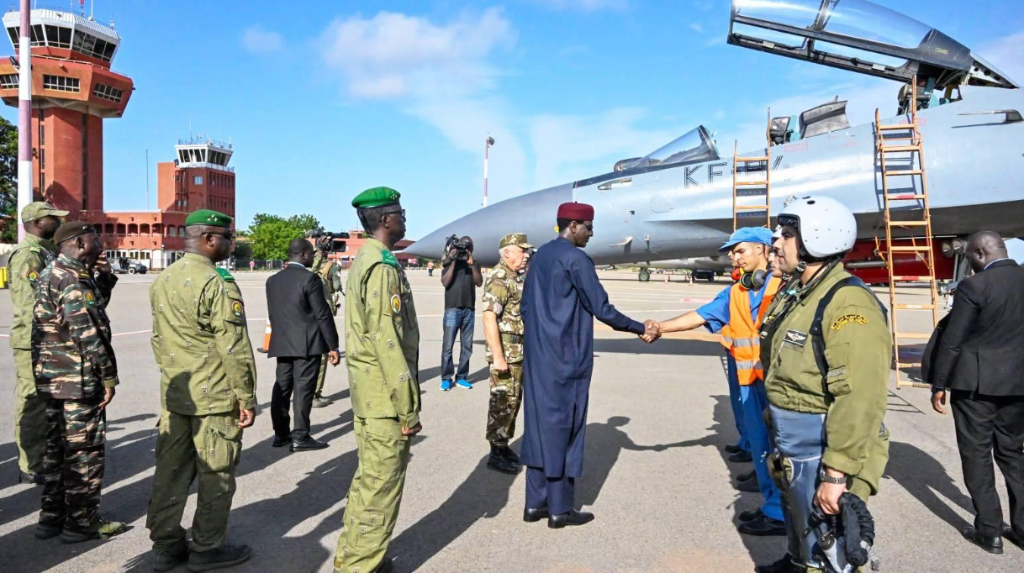
Investing in cutting-edge weaponry has done little to shift the tide of conflict in Mali. Despite the acquisition of drones, tactical bombers, and precision-guided munitions, the military command’s lack of doctrinal expertise has rendered these assets ineffective. The persistent stalemate around Kidal exposes a harsh truth: advanced firepower alone cannot compensate for a command structure crippled by low education levels and tactical rigidity.
Kidal: a case study in military inefficiency
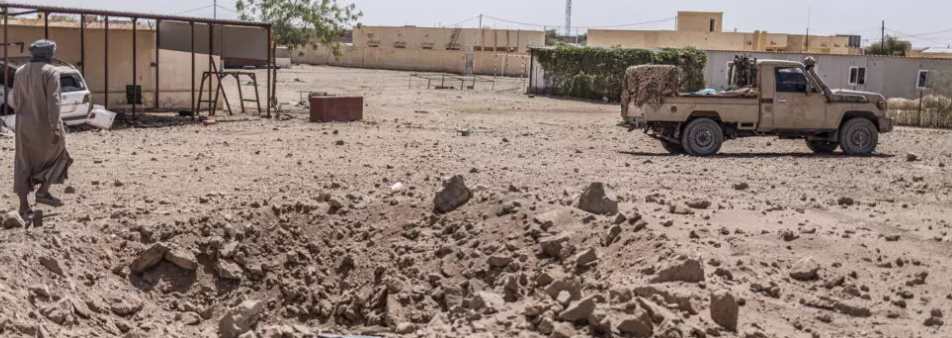
The strategic city of Kidal remains a flashpoint where Mali’s air superiority has repeatedly failed to break rebel resistance. For months, Bamako’s forces have relied heavily on aerial strikes, drone surveillance, and heavy bombardment. Yet, the Front de libération de l’Azawad (FLA) continues to hold its ground, defying expectations. The issue is not firepower—it is execution.
Aerial campaigns in Mali’s vast and rugged terrain require more than brute force. Without coordinated ground operations, real-time intelligence integration, and an adaptable command structure, these strikes become little more than symbolic gestures. The Malian military’s inability to translate technological advantage into battlefield success stems from a fundamental flaw: its leadership lacks the strategic literacy needed to wage modern warfare.
Asymmetric warfare demands more than firepower
The conflict in northern Mali is a textbook example of asymmetric warfare, where agility, terrain mastery, and psychological resilience often outweigh sheer destructive capacity. Yet, Mali’s military command operates with rigid, one-dimensional tactics. Nightly bombing runs, repeated without variation, reveal a command structure that defaults to brute force over innovation.
Rebel forces, in contrast, leverage the desert’s unpredictability—using camouflage, rapid movement, and local knowledge to evade detection and counterstrikes. This asymmetry is not just about equipment; it is about cognitive superiority on the battlefield. A poorly educated command cannot adapt, cannot exploit weaknesses, and cannot turn temporary advantages into lasting gains.
A systemic failure of military doctrine
The problem extends beyond Kidal. Across Mali’s conflict zones, the military’s inability to learn from past mistakes perpetuates a cycle of futility. When operational plans fail repeatedly, the cost is measured in lost lives, wasted resources, and stagnant frontlines. The issue is no longer logistical—it is a crisis of military education.
For Mali’s high command, advanced weaponry is often treated as a magical solution, a force that should resolve security challenges by its mere presence. Yet, warfare is not a matter of hardware alone. It demands strategy, foresight, and the ability to interpret evolving threats. Without these elements, the most sophisticated arsenals become liabilities rather than assets.
The human factor in Mali’s military struggles
The root of Mali’s military inefficiency lies in its command structure. Officers trained in outdated doctrines struggle to integrate new technologies into cohesive battle plans. The result is a force that fires powerful weapons but lacks the intellectual framework to use them effectively. Until Bamako addresses the educational and doctrinal gaps within its military leadership, the conflict will remain in deadlock, proving that firepower without intelligence is a path to military ruin.