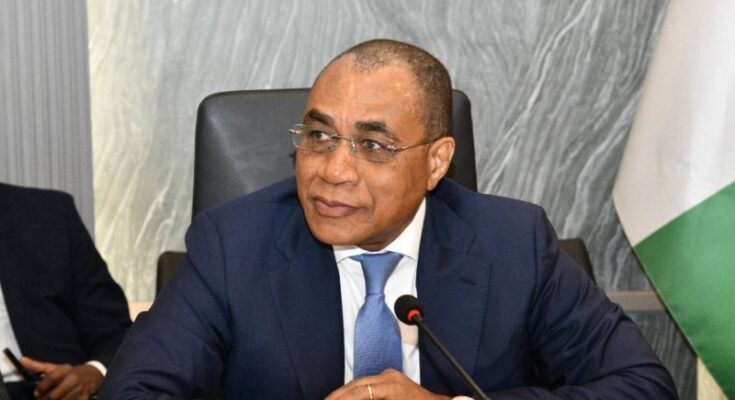
Côte d’Ivoire is poised to redefine its environmental policy with the introduction of a groundbreaking nationwide carbon emissions taxation strategy. Spearheaded by the Ministry of Economy, Finance, and Budget, this ambitious initiative aims to curb the rise in greenhouse gas (GHG) emissions while accelerating the transition toward a more sustainable economic model.
Addressing climate and economic challenges head-on
Recent data reveals a troubling trend: Côte d’Ivoire’s economic rebound since the post-Covid era has been accompanied by a sharp increase in carbon emissions. Between 1990 and 2024, the nation’s carbon intensity surged from 0.15 to 0.18 tonnes per thousand dollars of GDP. This spike stems from heavy reliance on fossil fuels, rapid industrialization, expanding transport networks, and emission-heavy agricultural practices.
Government officials warn that the escalating climate crisis poses severe risks to the country’s economic stability. Rising temperatures, erratic rainfall patterns, and heightened environmental hazards are already disrupting key sectors, particularly agriculture—the backbone of employment and GDP in Côte d’Ivoire.
Aligning with global climate commitments
This carbon tax initiative underscores Côte d’Ivoire’s dedication to fulfilling its international climate obligations. Under its updated Nationally Determined Contribution (NDC 3.0), the country has pledged to cut greenhouse gas emissions by 33.07% independently and up to 74% with international support by 2035.
The strategy also complements ongoing reforms tied to the International Monetary Fund’s Resilience and Sustainability Facility (RSF), positioning Côte d’Ivoire as a regional leader in climate-conscious fiscal policy.
Building on existing environmental fiscal tools
Côte d’Ivoire already employs several environmental levies, including taxes on petroleum products, targeted environmental levies, and fees in forestry and mining sectors. However, these measures have primarily served as revenue streams with limited impact on driving a low-carbon transition.
The new carbon tax framework is designed to amplify the incentive effects of ecological taxation, encouraging businesses and households to adopt greener practices.
A progressive and socially inclusive carbon tax
The proposed carbon tax will primarily target fossil fuels, excluding butane gas. Modeling suggests significant emissions reductions. For instance, an initial levy of $8 per tonne of CO₂ could cut emissions by 0.2 million tonnes, while a $50 per tonne tax could reduce emissions by 1.2 million tonnes.
While acknowledging potential short-term price hikes for fuels and slight economic pressure, authorities emphasize the long-term benefits. To mitigate these impacts, the government plans to redirect tax revenues toward social and environmental initiatives.
Reinvesting carbon revenues for green growth
Proceeds from the carbon tax will prioritize expanding universal electricity access across Côte d’Ivoire. Additional funds may subsidize gas or solar cookstoves, reducing dependence on charcoal and improving air quality in urban areas.
The strategy also includes direct financial support for vulnerable households, funding for green job creation, and retraining programs for workers in sectors affected by the ecological transition. Incentives for low-emission vehicles—such as tax breaks, exemptions, and expanded charging infrastructure—are also part of the plan.
Phased rollout for long-term success
The strategy will be implemented in three stages from 2026 to 2035. The first phase (2026–2027) focuses on establishing the legal, institutional, and technical groundwork. The second phase (2028–2029) introduces the carbon tax at a modest rate, while the final phase (2030–2035) consolidates the mechanism with ongoing evaluations and adjustments.
Through this integrated approach, Côte d’Ivoire seeks to balance economic growth, social equity, and environmental stewardship, setting a powerful example for climate action in West Africa.