The Republic of Benin has embarked on a transformative journey in public policy modernization with its 2027 budget framework. By placing climate resilience, gender equality, and regional disparities at the core of fiscal planning, the government signals a long-term commitment that transcends conventional budgetary practices. This strategic pivot reframes public investment as a proactive mechanism for sustainable development rather than a reactive fiscal tool.
Climate resilience takes center stage in fiscal planning
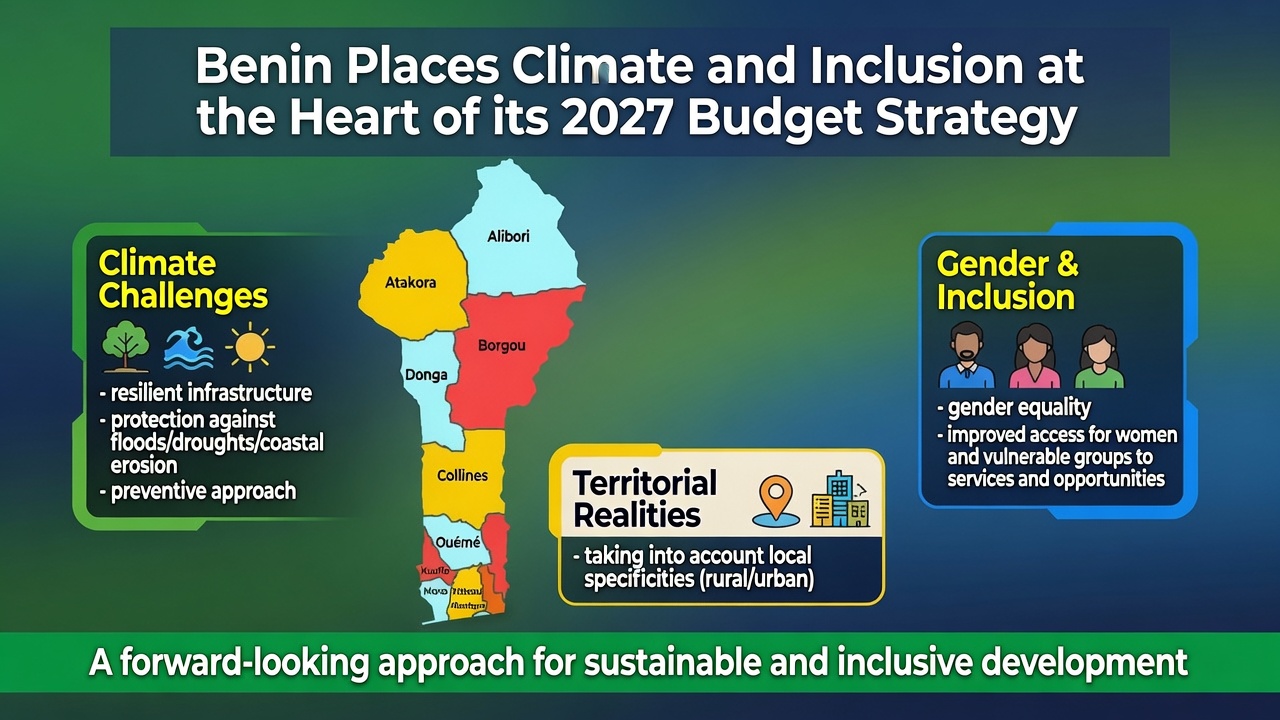
In an era increasingly defined by environmental volatility, persistent resource constraints, and deep-seated social inequalities, the need for forward-looking public policy has never been more urgent. The 2027 budget framework responds to this challenge by embedding climate risk assessment directly into financial decision-making processes. This innovative approach ensures that public investments prioritize resilient infrastructure, enhance protection for vulnerable populations, and fortify the nation’s defenses against the escalating threats of flooding, drought, and coastal erosion. Beyond immediate safeguards, this preventive strategy represents a cornerstone of fiscal prudence, as it systematically reduces the economic and social costs associated with future environmental disasters.
Gender equality becomes a fiscal imperative
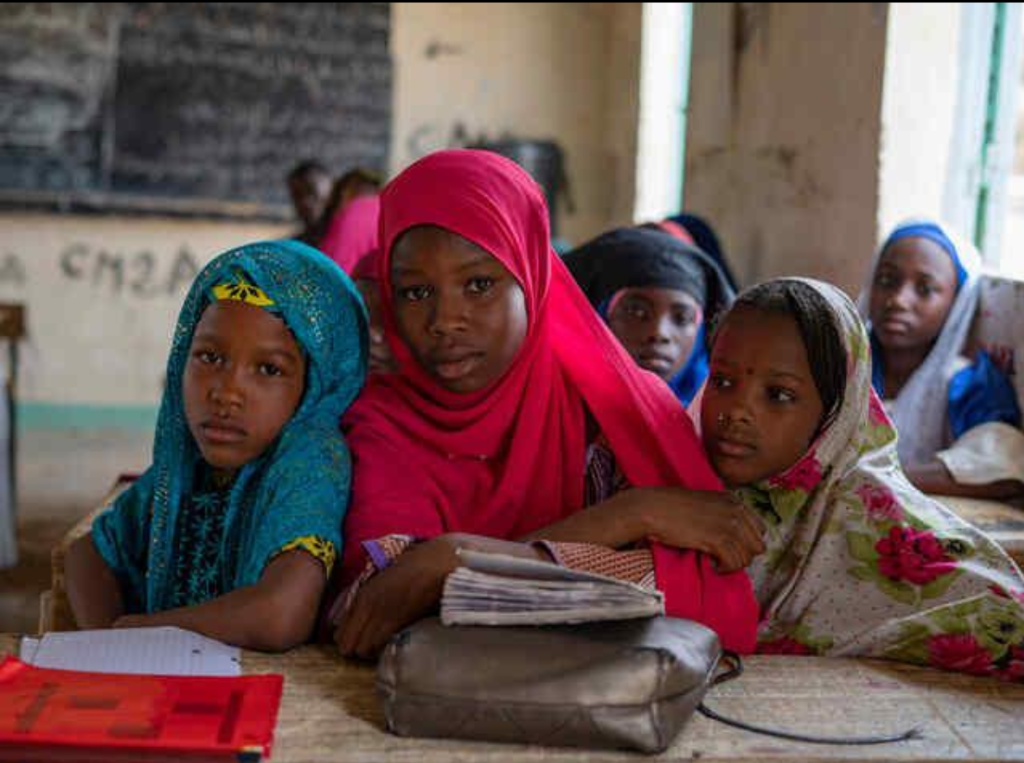
The government’s integration of gender considerations into budgetary planning marks a significant advancement in inclusive governance. Recognizing that economic and social policies often yield disparate outcomes for women and men, the framework seeks to rectify historical imbalances by reallocating public resources to strengthen women’s access to essential services, economic opportunities, and social protection mechanisms. This inclusive approach extends its benefits to youth and other marginalized groups, fostering a development model that is both equitable and participatory.
Regional disparities addressed through targeted fiscal measures
Acknowledging the diverse realities across Benin’s urban and rural landscapes, the 2027 budget framework introduces a more decentralized approach to fiscal planning. By aligning national investments with local needs, the government enhances the efficiency and relevance of public spending. This tailored strategy ensures that resources are allocated in a manner that reflects the unique challenges faced by different communities, thereby bridging the gap between national policy and grassroots development priorities.
A new paradigm for public finance management
This forward-thinking approach underscores a broader evolution in public finance management—one that prioritizes foresight, equity, and adaptability. By embedding climate resilience, gender inclusion, and territorial specificity into the budgetary process, the government positions itself as a proactive architect of sustainable growth. The framework not only strengthens the nation’s internal capacity to withstand future shocks but also enhances its appeal to international partners who increasingly value fiscally responsible and socially inclusive development agendas.
The 2027 budget framework thus emerges as a strategic blueprint for a resilient, inclusive, and future-ready Benin. It represents a decisive step toward building an economy that is not only robust in the face of environmental and social challenges but also equitable in its benefits. This vision reflects a government committed to laying the foundations for a prosperous, sustainable future for all citizens.