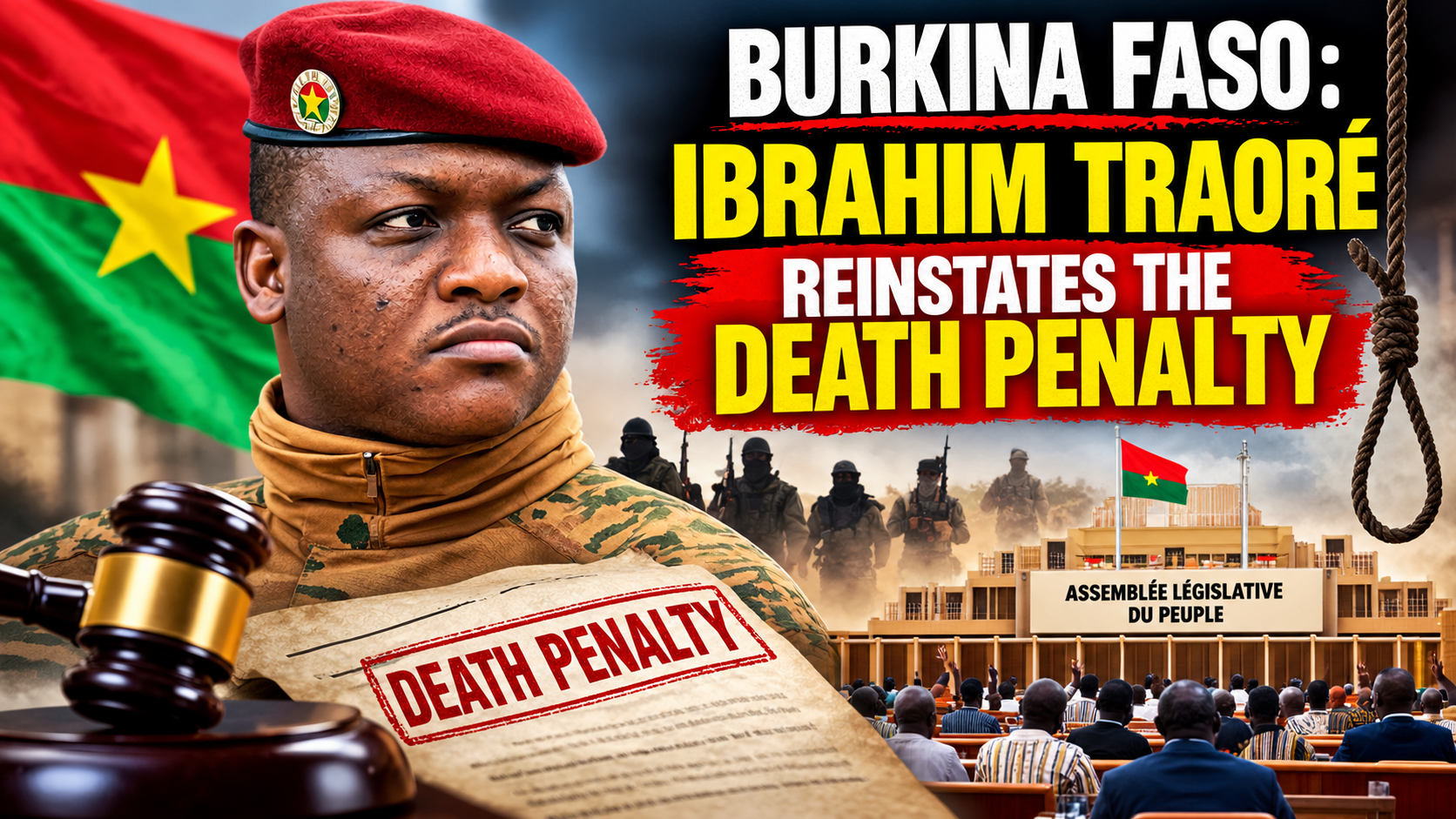
The narrative propagated by Burkina Faso’s state-controlled media, portraying the nation as undergoing a historic transformation under Captain Ibrahim Traoré, appears increasingly detached from reality. While official discourse speaks of a so-called ‘popular progressive revolution’ and an ‘eldorado,’ the lived experiences of many Burkinabè reveal a far more complex picture, marred by persistent insecurity, economic hardship, and unmet expectations.
Since assuming leadership, Captain Traoré has repeatedly vowed to revitalize the country through accelerated industrialization, territorial consolidation, and national renewal. Yet, for countless citizens, these pledges remain largely symbolic, with tangible improvements lagging behind. Although certain infrastructure initiatives have been launched, their scale and impact do not align with the sweeping claims of nationwide advancement.
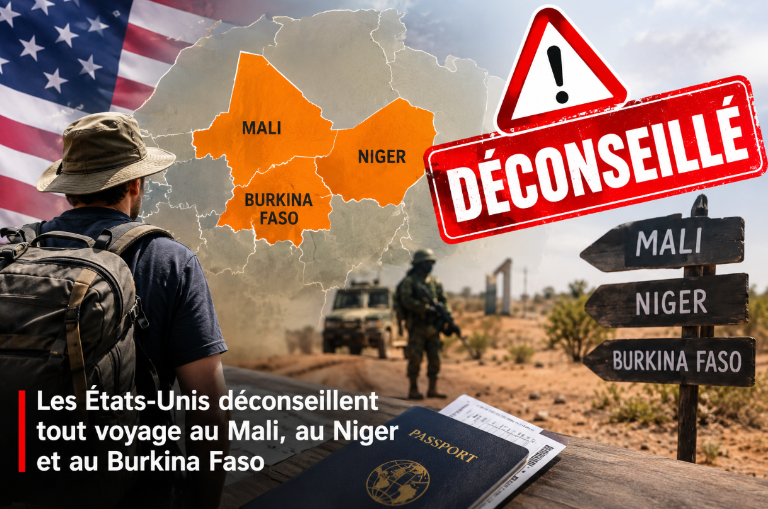
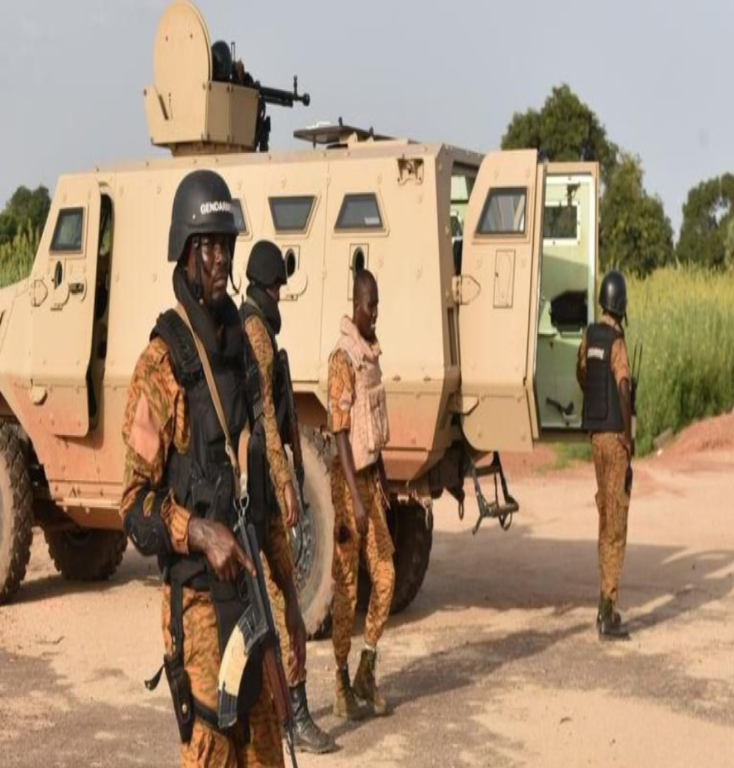
The government’s assertion that Burkina Faso is steadily building a self-sustaining development model and laying the groundwork for future prosperity warrants scrutiny. The nation continues to grapple with severe challenges, particularly in security, as insurgent attacks persist in multiple regions, displacing thousands. Basic service accessibility, economic strain, and rising living costs further compound the difficulties faced by ordinary citizens.
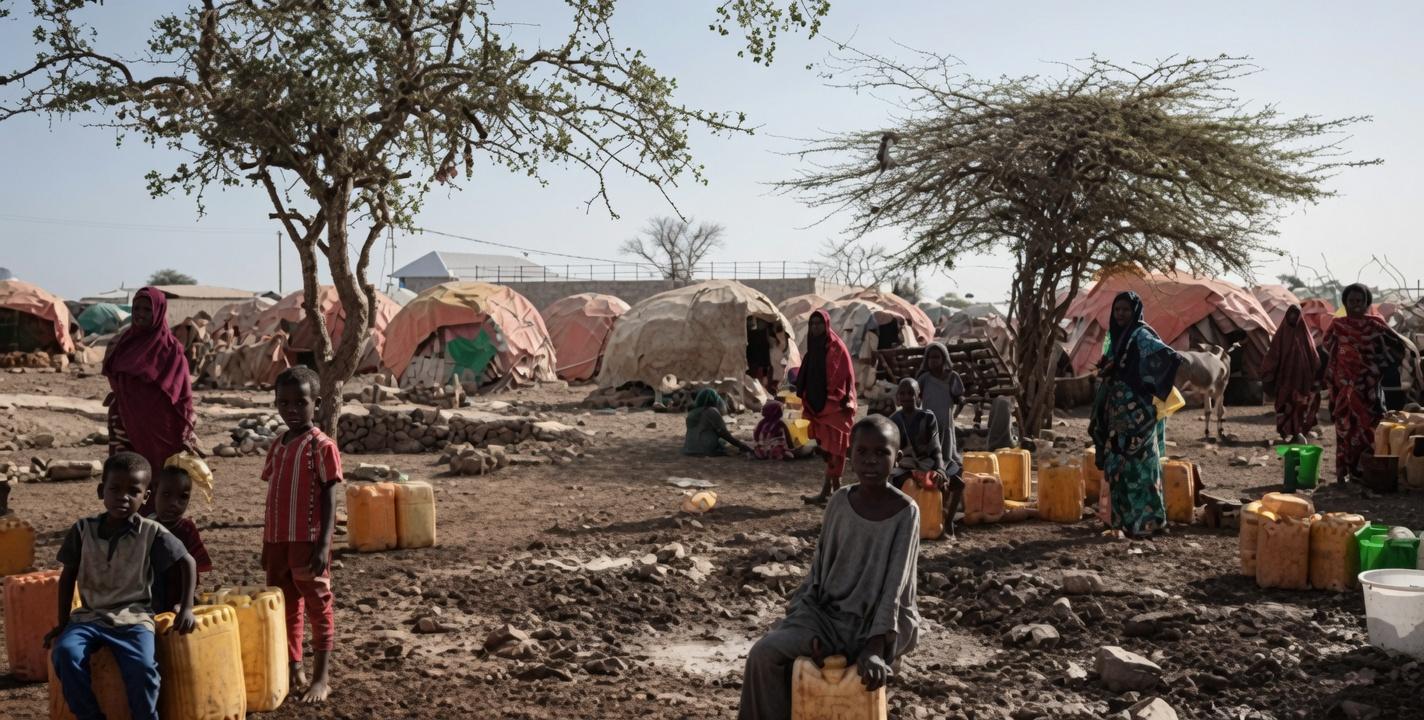
The humanitarian crisis remains one of the most pressing concerns. Widespread violence has forced families to abandon their homes, seeking refuge in safer areas or neighboring countries. These displacements underscore the persistent insecurity gripping several parts of the country, where access to essential services—food, healthcare, and education—remains severely restricted.
In conflict-affected zones, the situation is dire. Agricultural activities have been disrupted, supply chains are fractured, and humanitarian aid often fails to reach those in need. In areas with limited state presence due to ongoing threats, communities endure extreme hardship, relying heavily on intermittent relief efforts when they materialize. Such conditions starkly contrast with the optimistic portrayal of progress.
Critics argue that the ‘eldorado’ rhetoric is less an accurate reflection of reality and more a strategic maneuver to bolster the government’s image. Once buoyed by strong public support, Traoré’s popularity now faces erosion as citizens grow weary of unfulfilled promises. While some still embrace the sovereignist and ambitious rhetoric, others demand concrete improvements: enhanced security, job opportunities, economic stability, and functional public services. For them, declarations alone are insufficient; results must follow.
The notion that Burkina Faso has decisively moved past its challenges appears premature. True national development cannot be gauged solely by political announcements or infrastructure projects but by measurable improvements in living standards, territorial stability, and institutional responsiveness to citizens’ needs.
Traoré’s assertion that ‘the current context is no longer that of 1987′ serves a political narrative aimed at reinforcing the sovereignty of the Alliance of Sahel States (AES). While this stance resonates with a segment of the population, it does little to address fundamental concerns regarding governance, economic performance, or security. Analysts emphasize that the real test lies not in rhetorical independence but in the government’s ability to convert ambitions into tangible benefits for the Burkinabè people.
In summary, framing Burkina Faso as an ‘eldorado’ reflects a deliberate communication strategy rather than an accurate depiction of the nation’s circumstances. Until promises translate into visible progress in the daily lives of citizens, such narratives risk eliciting growing skepticism from a population that prioritizes action over rhetoric.