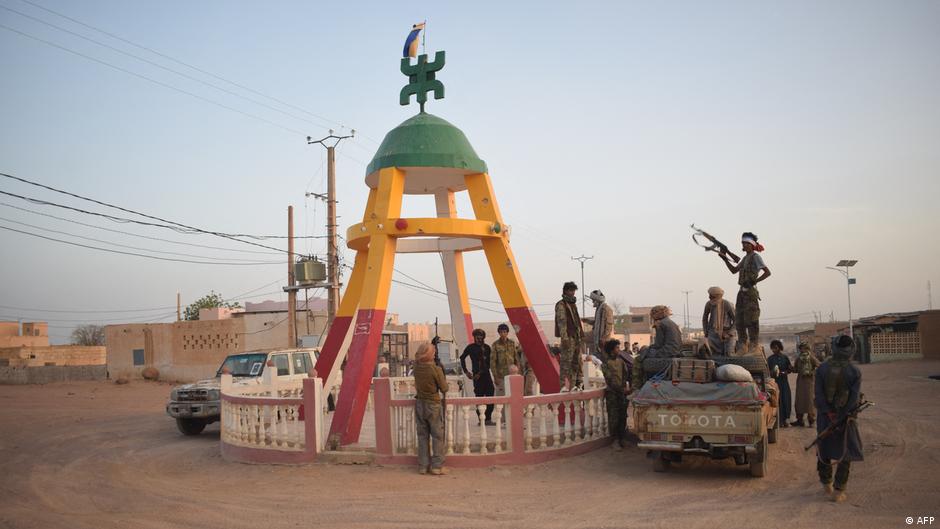
Recent coordinated offensives in Mali have left a trail of destruction across key cities, including Bamako, Kati, Kidal, Gao, Sévaré, and Mopti. The attacks were simultaneously claimed by the Front de Libération de l’Azawad (FLA) and the Group for the Support of Islam and Muslims (JNIM).
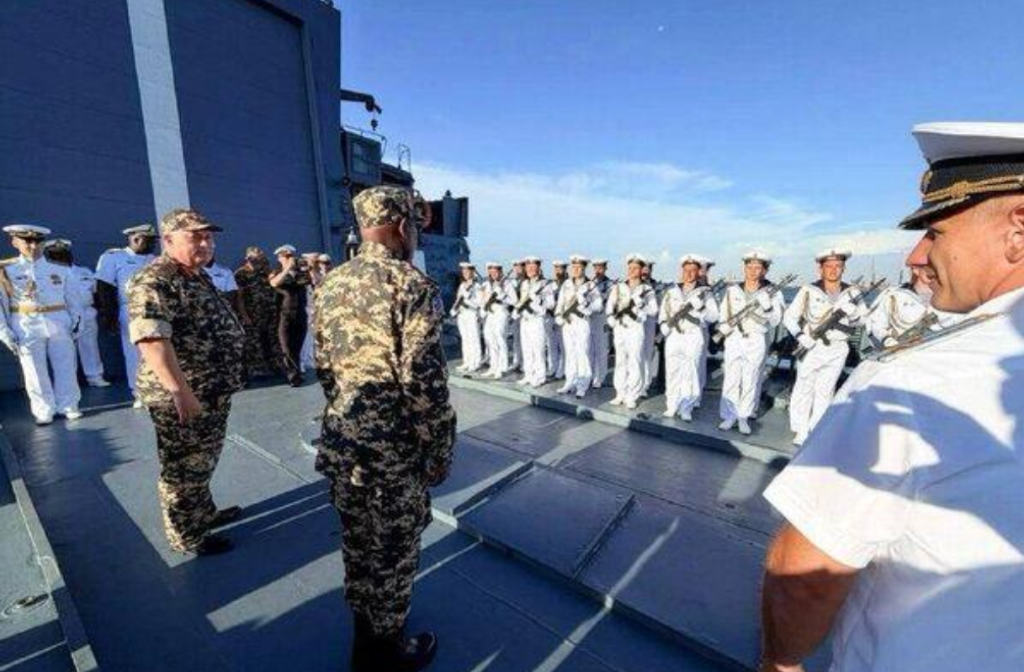
In the aftermath, General Assimi Goïta, leader of Mali’s transitional government, resurfaced publicly alongside the Russian ambassador to Bamako. His remarks highlighted the “strength of cooperation with the Russian Federation”, though reports suggest Africa Corps mercenaries have begun negotiating their withdrawal from Kidal—a city now under FLA control. The rebels have made their departure from Mali a non-negotiable demand.
The nation also paid tribute to General Sadio Camara, the Defense Minister killed in a jihadist raid on his residence days earlier. As Mali grapples with these challenges, the path to stability remains uncertain.
Key voices weigh in on Mali’s future
To dissect the implications of these events, analysts and experts shared their insights:
- Étienne Fakaba Sissoko, economist and spokesperson for the Coalition des forces pour la République (CFR), discussed governance failures in Sahel regimes and his book L’État et le mensonge au Sahel: Théorie de l’Inversion Morale d’État.
- Tiambel Guimayara, editor-in-chief of LaVoix du Mali, provided a local journalist’s perspective on the crisis.
- Frederic Samy Passalet, author of Les marionnettes de Poutine en Afrique, analyzed geopolitical influences shaping the conflict.
- Teehl Loé Konaté, project coordinator and panafricanist analyst, examined broader regional dynamics and international relations.
Is a political solution within reach?
The debate over Mali’s future hinges on whether diplomacy can outpace escalating violence. With rebel factions demanding foreign troop withdrawals and a transitional government navigating shifting alliances, the window for negotiation remains fragile.