Sénégal’s unfolding political drama: Sonko’s strategy and the Ndiaga Seck case
Unpacking the latest political developments in Sénégal, this analysis sheds light on the Ndiaga Seck affair and Ousmane Sonko’s calculated moves ahead of critical elections. Discover how these events are shaping the nation’s political landscape.
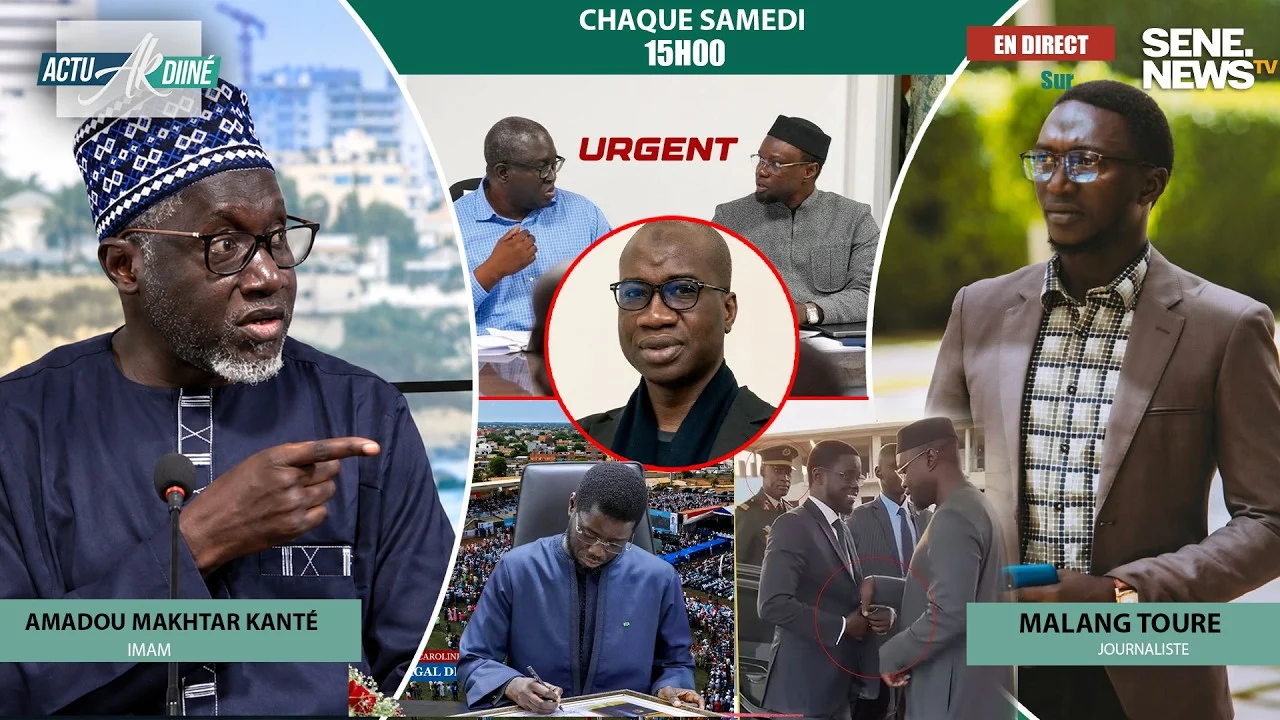
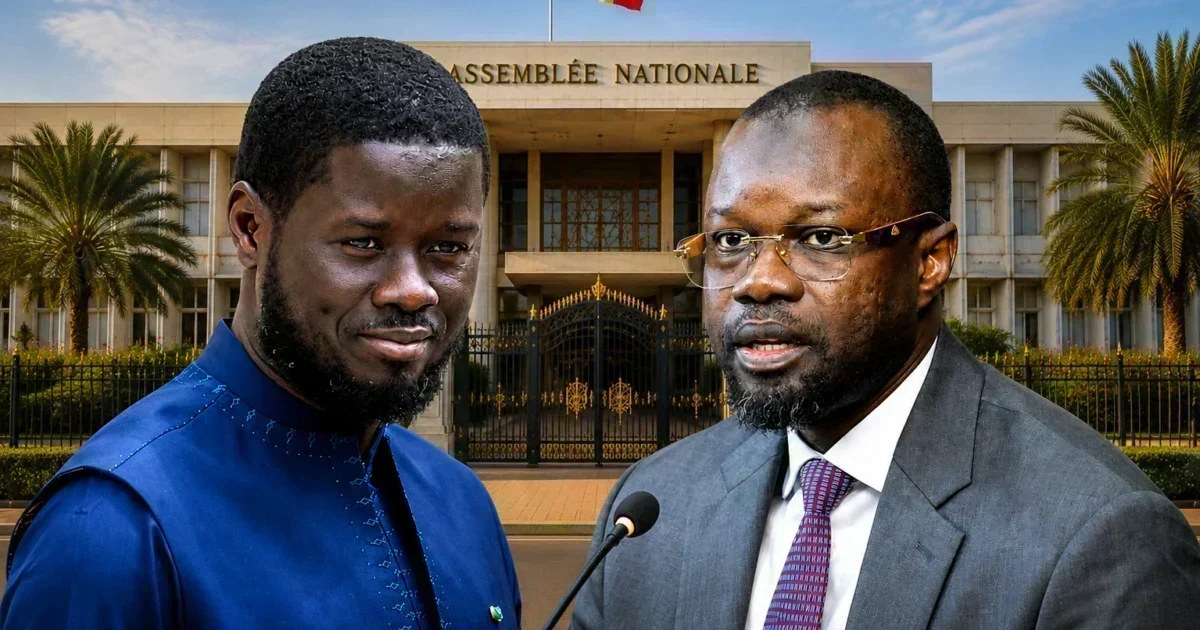
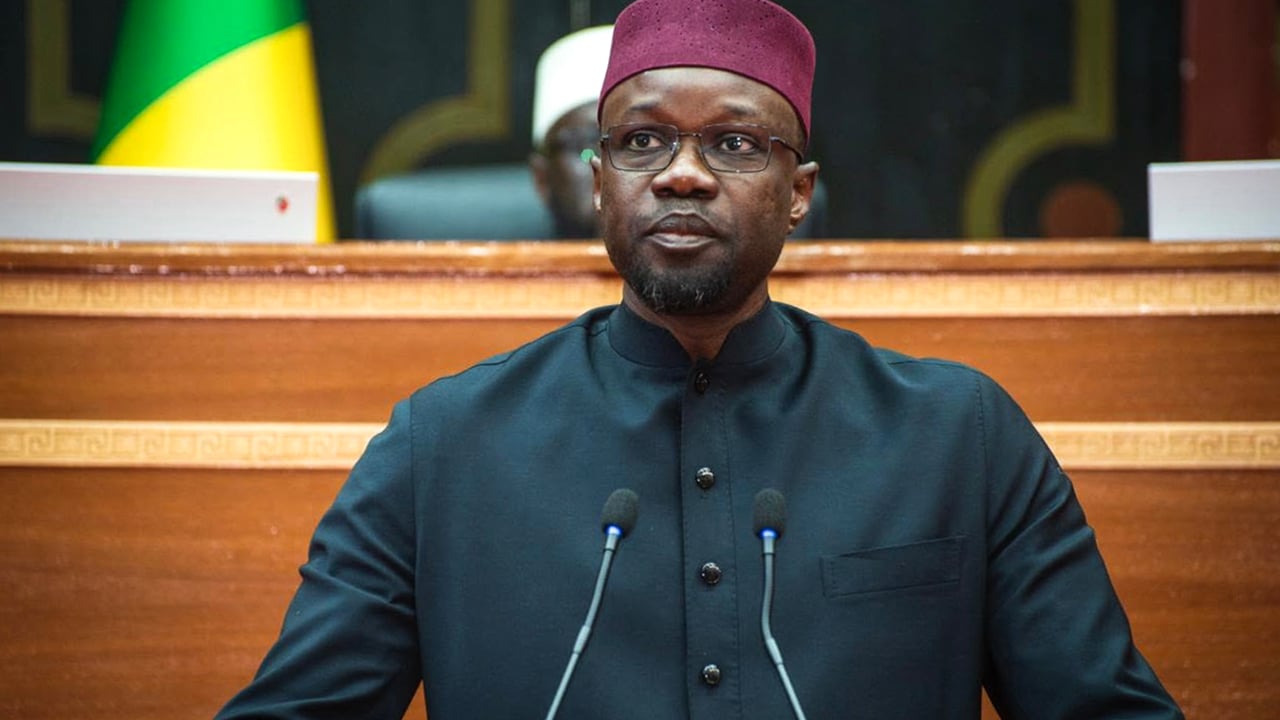
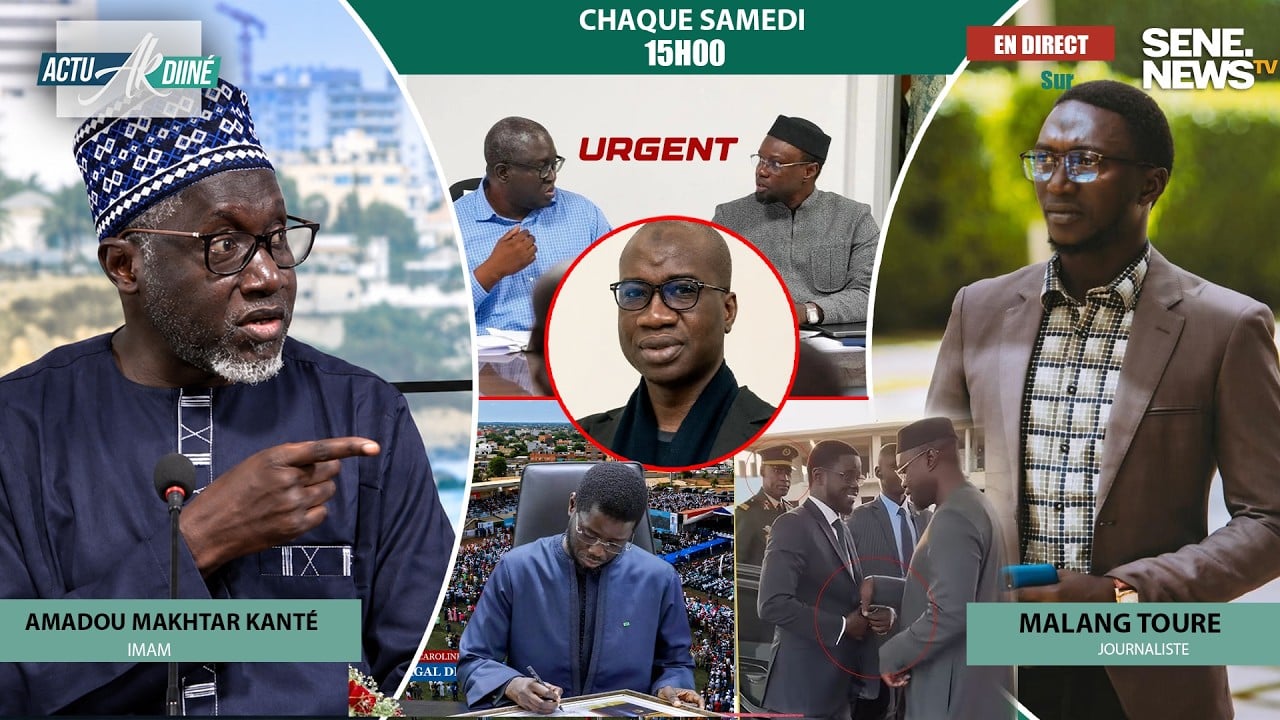
This week’s political climate in Sénégal has been dominated by high-stakes developments. A deep dive into the Ndiaga Seck controversy reveals shifting alliances and strategic moves by opposition leader Ousmane Sonko. Meanwhile, President Bassirou Diomaye Faye’s signing of the new electoral code signals a pivotal moment in the country’s democratic process. These events unfold against the backdrop of national preparations for Tabaski, adding complexity to an already tense situation.
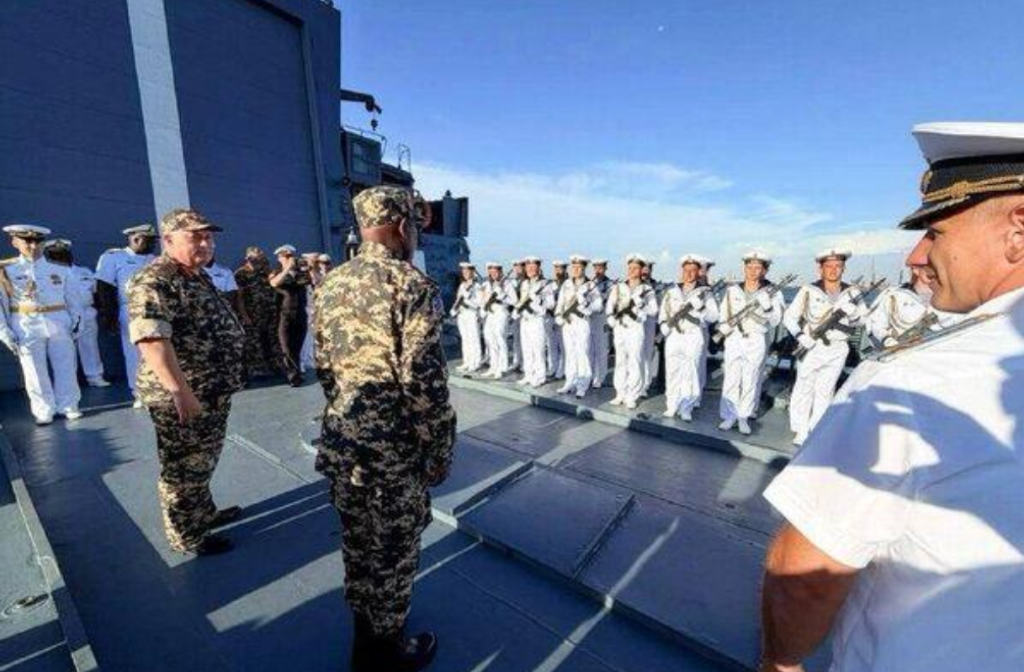
The Ndiaga Seck affair continues to send shockwaves through the political sphere, with new revelations emerging at every turn. As Sonko consolidates his position, the stakes for upcoming elections grow ever higher. Analysts are closely watching his interactions with key military figures, including the chief of staff of the Pastef party, as they hint at broader ambitions.
The president’s swift action on the electoral code has further fueled speculation about the government’s intentions. With Diomaye Faye’s signature now on the law, the stage is set for a tightly contested electoral battle. Meanwhile, citizens brace for the dual pressures of political uncertainty and the upcoming religious celebration.
Key takeaways from the week’s political shifts
- Ousmane Sonko’s strategic alliances: The opposition leader’s meeting with the Pastef chief of staff underscores his focus on building a robust electoral coalition.
- Electoral reforms take center stage: The president’s approval of the new electoral code marks a significant step toward shaping the rules of the upcoming vote.
- National mood amid controversy: Public reaction to the Ndiaga Seck case is mixed, with many questioning the timing and motives behind the developments.
- Preparing for Tabaski: Amid the political turbulence, citizens are also navigating preparations for the Eid al-Adha festivities, adding a layer of complexity to the nation’s priorities.