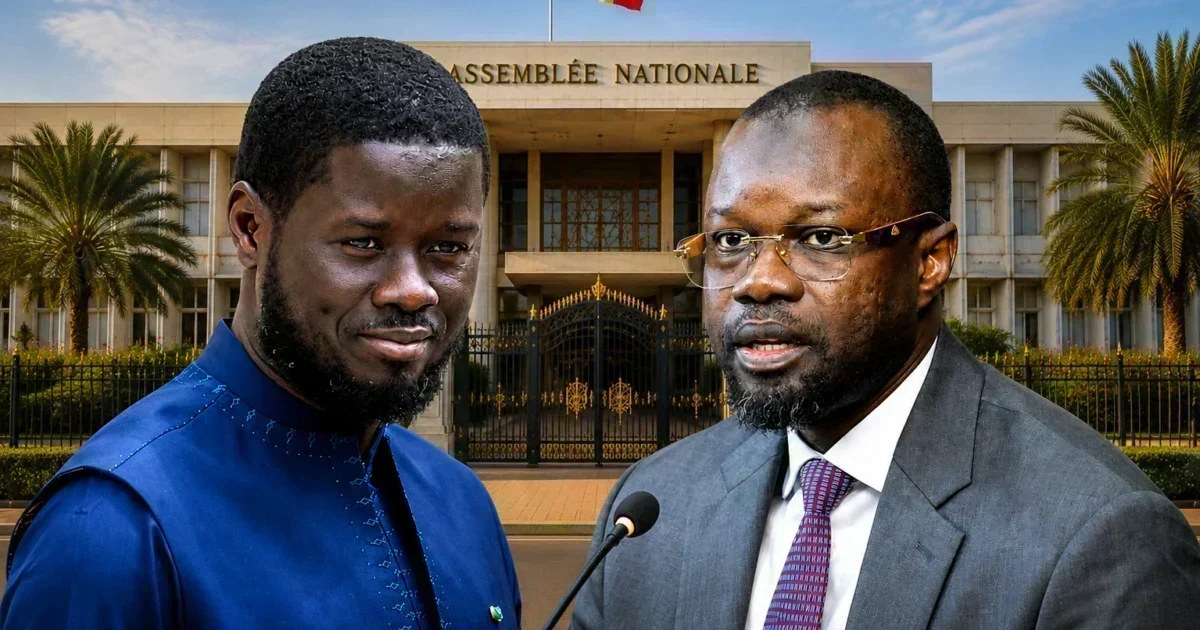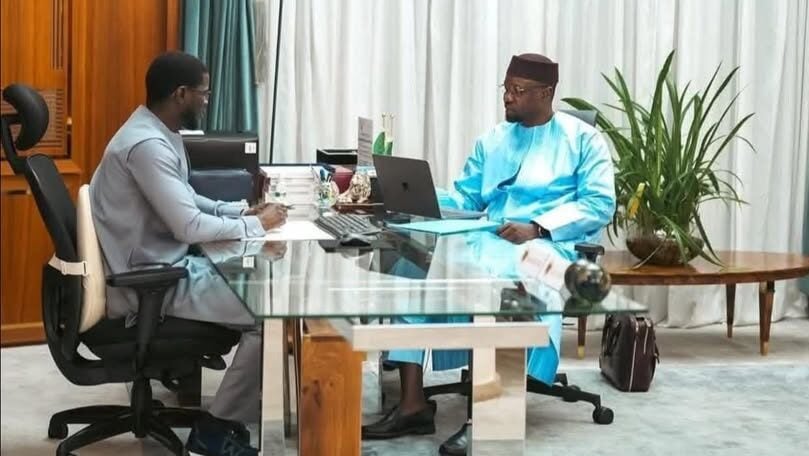
Senegal’s President Bassirou Diomaye Faye has signed into law a controversial electoral reform bill, a move that critics argue paves the way for Ousmane Sonko to contest the 2029 presidential election. The decree, authenticated over the weekend, has intensified divisions within the ruling Pastef party, leaving the political landscape in flux.
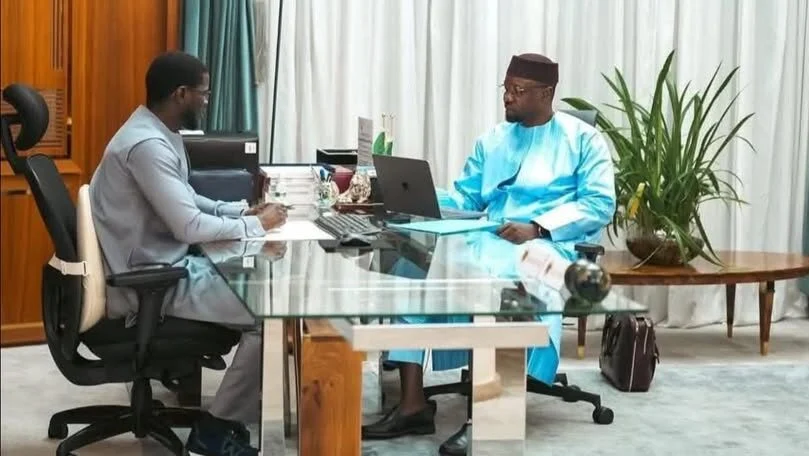
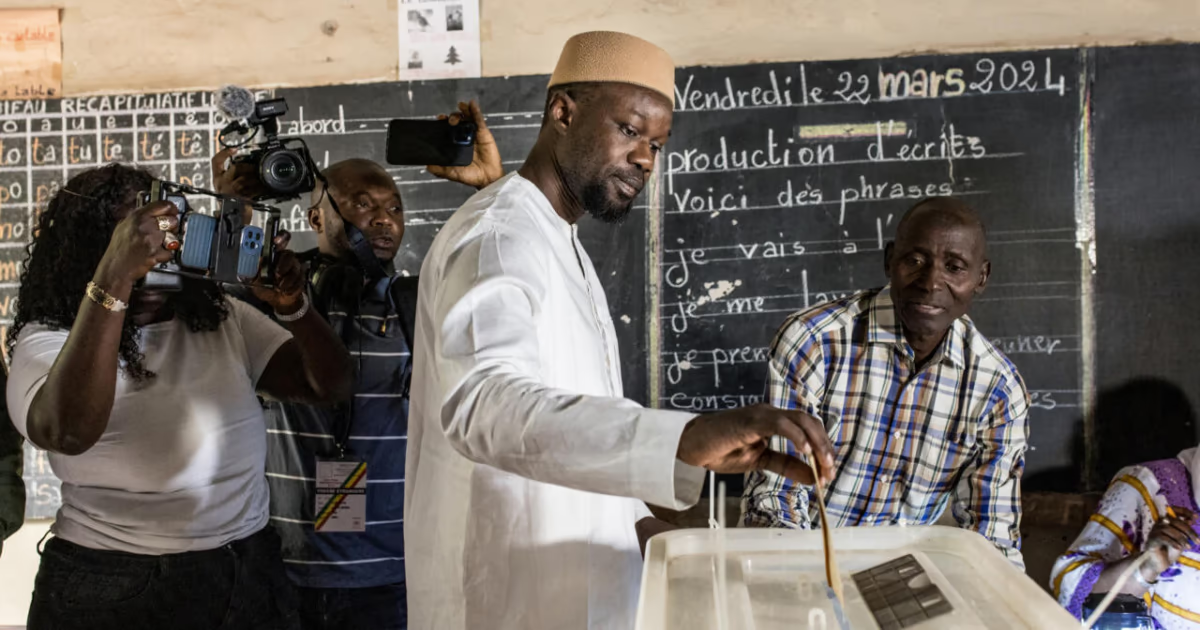
The reform, which introduces sweeping changes to the electoral code, comes at a pivotal moment. Earlier this year, Ousmane Sonko was barred from running in the March 2024 presidential race after a defamation conviction stripped him of his civic rights. At the time, he backed Bassirou Diomaye Faye as the Pastef’s substitute candidate—a decision that temporarily shifted the party’s focus. Now, with the new law in place, questions have resurfaced about Sonko’s future eligibility, particularly as the 2029 election looms.
Controversial reforms spark internal party strife
The electoral reform bill, initially passed by the National Assembly on April 28, faced unexpected delays when President Faye requested a second reading. Citing “technical oversights” in the draft, his move drew sharp criticism from within Pastef ranks. Some party members accused him of deliberately stalling the process, fueling speculation about his own ambitions for 2029. Yet, after heated debates, lawmakers approved the bill again on May 9, and President Faye signed it into law on Tuesday.
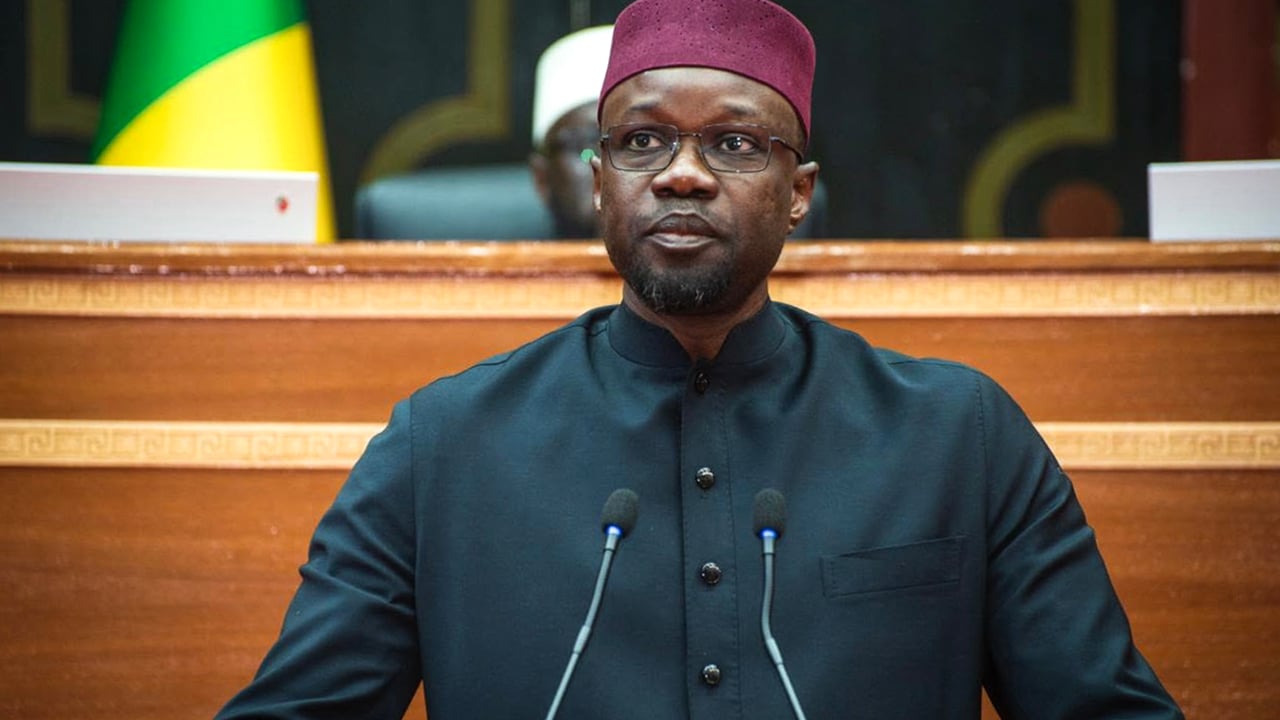
The revised code introduces key adjustments, including stricter rules on civic rights revocation. Most notably, it limits the duration of such penalties to five years after a sentence is served and removes retroactive clauses—changes that could directly benefit Sonko. His 2023 defamation conviction, upheld by the Supreme Court in January 2024, had previously barred him from running. Despite this setback, Sonko returned to the political stage in November 2024, winning a seat in the legislative elections before stepping down to retain his role as Prime Minister.
Sonko’s 2029 bid: a legal and political tightrope
The new law’s retroactive provisions have become the focal point of debate. While supporters argue it protects democratic rights, detractors warn it could set a dangerous precedent. For Sonko, the reform could restore his eligibility—but only if the courts interpret the changes favorably. His legal team has already indicated plans to challenge any remaining obstacles, though the path forward remains uncertain.
The political fallout is equally significant. The rift between Faye and Sonko, once allies in the opposition, has widened, raising doubts about their ability to unite the party ahead of 2029. As Senegal navigates this pivotal moment, the coming years will test not just the new electoral rules, but the durability of its ruling coalition.