The Mali crisis: from promises of restoration to a spiral of failure
The Republic of Mali stands at a crossroads, its future hanging by a thread. Since seizing power in 2020 and consolidating control in 2021, Colonel Assimi Goïta presented himself as the strongman who would restore national sovereignty and security. Yet six years later, his regime is crumbling under the weight of its own contradictions.
April attacks expose the fragility of Bamako’s military power
The illusion of control shattered on April 25, when coordinated offensives by the Group for the Support of Islam and Muslims (JNIM), an Al-Qaeda affiliate, and the Azawad Liberation Front (FLA) targeted key military positions—even around the capital, Bamako. The killing of Defense Minister Sadio Camara during the clashes sent shockwaves through the junta. In the north, Kidal and other strategic towns slipped from government control, revealing the hollow nature of the army’s claims to territorial dominance.
These attacks stripped bare the regime’s foundational narrative: that military force alone could reclaim the nation. Instead, they underscored a stark reality: Mali’s security situation is spiraling downward at an alarming pace.
Sovereignty rhetoric masks deepening insecurity
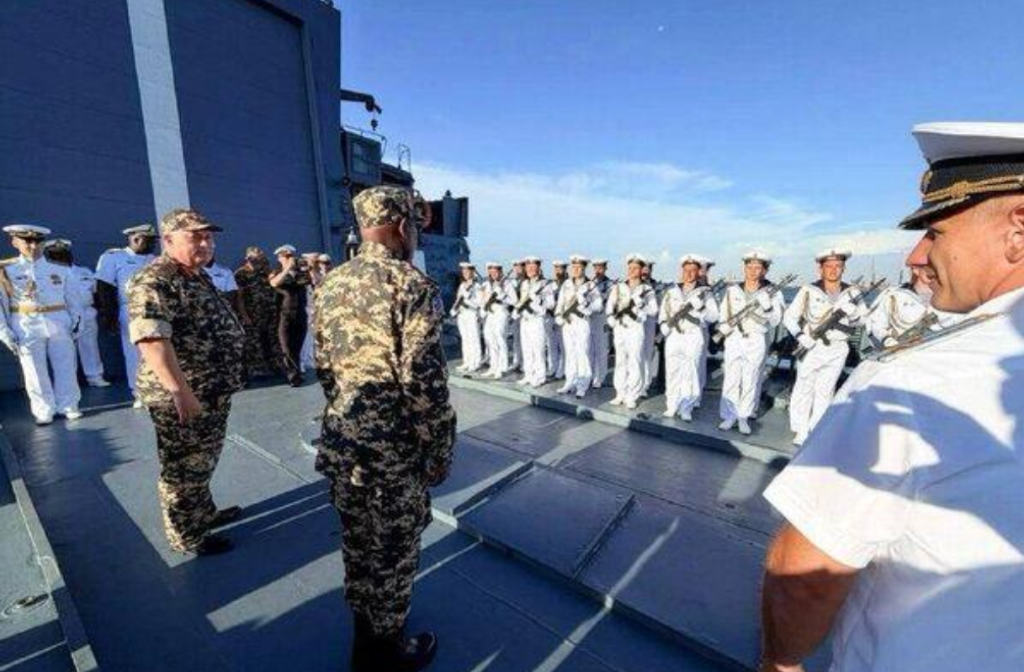
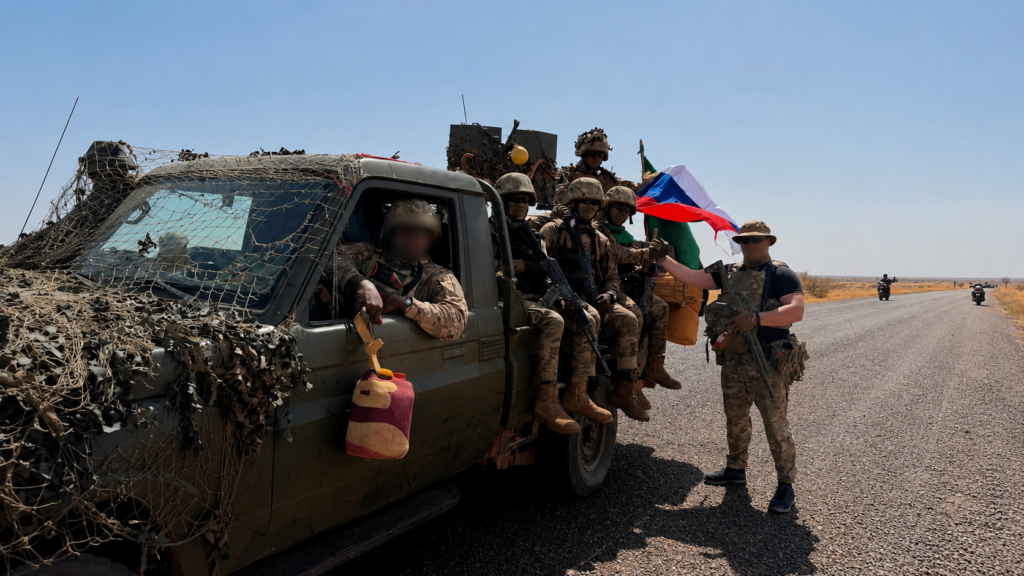
Under Goïta’s leadership, Bamako severed ties with former partners, expelled UN peacekeepers (MINUSMA), and embraced Africa Corps mercenaries from Russia—all while framing the strategy as a path to self-determination. Yet the results tell a different story. Jihadist groups and FLA rebels continue to expand their reach, Bamako remains under constant threat, and civilians bear the brunt of the violence.
The junta’s sovereignist posturing has served as a smokescreen for authoritarian consolidation. Political opposition has been silenced, journalists face intimidation, and dissent is increasingly branded as treason. The regime’s legitimacy, once rooted in promises of stability, now rests on repression and denial.
A nation trapped between advancing threats and internal fractures
Mali is caught in a vice. Externally, jihadist factions demonstrate relentless operational capacity, while internally, the junta’s credibility erodes under the strain of infighting and military setbacks. The dream of a restored, sovereign Mali has curdled into a nightmare of fragmentation.
Goïta entered power vowing to heal the nation. Today, his legacy risks being defined by the very forces he failed to contain—leaving Mali more fractured, more violent, and more isolated than ever.