Mali secures €166 million for Bamako north 225 kv power grid
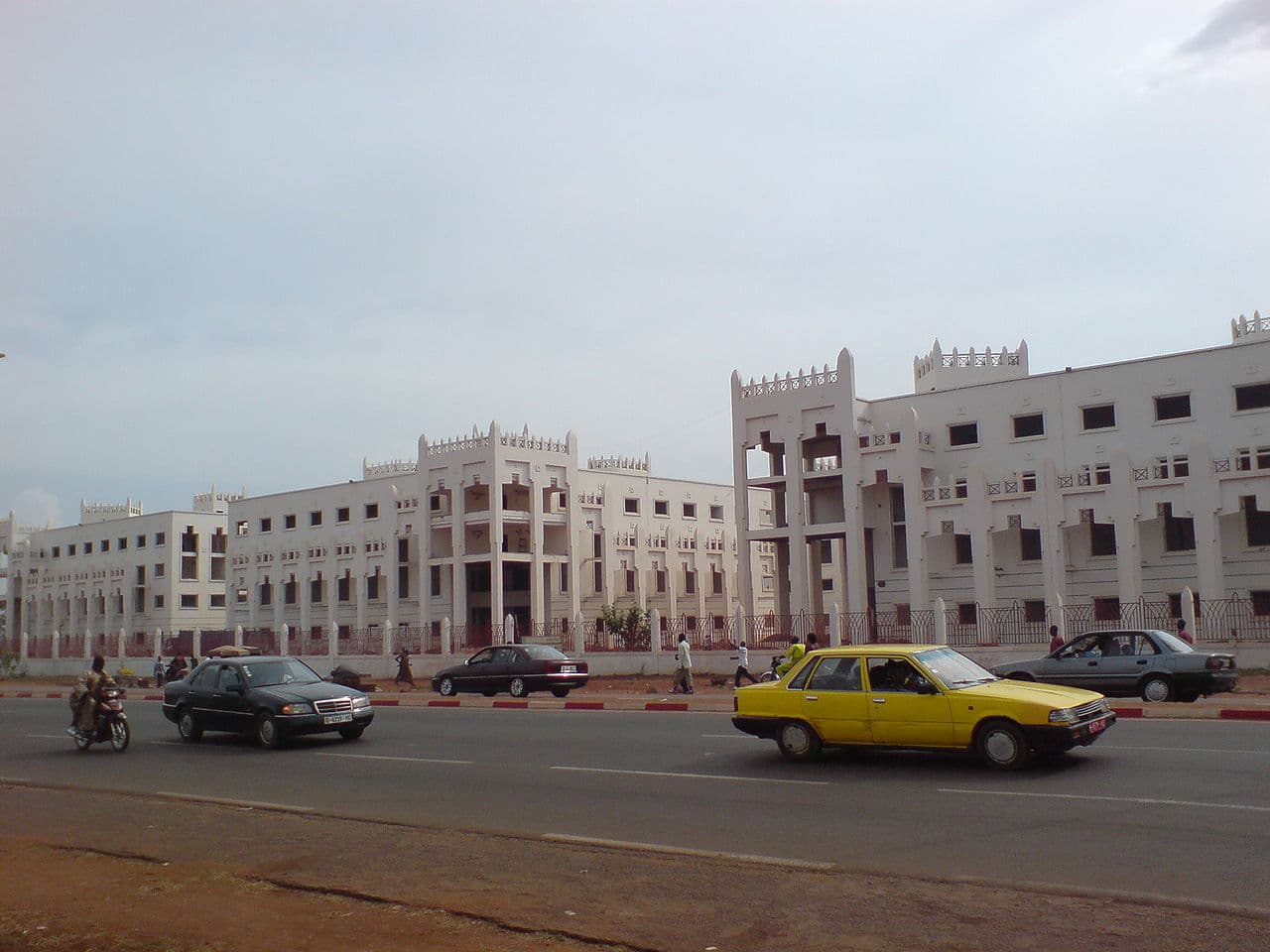
The government of Mali has finalized the financial framework for the Northern 225 kV high-voltage loop project around Bamako (PBNB), securing a total investment commitment of €166 million. This ambitious initiative is set to become the backbone of the national capital’s electricity supply, extending reliable power to both urban districts and surrounding peri-urban areas. Official projections indicate the project will connect 10,000 new households and small businesses, while simultaneously enhancing the electricity supply quality for approximately 40 industrial facilities.
Technical blueprint and infrastructure upgrades
The PBNB involves the construction of a 103 km double-circuit 225 kV transmission line, linking strategic locations including Kodialani, Kambila, Safo, and Dialakorobougou. In parallel, the scheme includes the expansion of two existing substations and the creation of three new transformer stations—most notably at Safo and Kénié—to ensure seamless energy distribution across the expanded network.
Milestone approvals unlock project momentum
In early July, the National Transitional Council (CNT) of Mali formally endorsed the financing agreements signed on 25 February 2026 between the Malian government and the African Development Bank (AfDB). This ratification follows a series of prior financial endorsements: a €68 million loan from the Islamic Development Bank in December 2025, a €43.7 million pledge from the West African Development Bank in May 2025, and an initial €45 million commitment from the European Investment Bank in December 2020.
Financial architecture and blended funding
The AfDB’s contribution of €166 million is structured through multiple concessional instruments. The African Development Fund—AfDB’s concessional lending arm—provided a €30.8 million loan, while the Transition Support Facility contributed an additional €16.6 million. The Climate Investment Funds delivered a €4.4 million loan alongside a €5.9 million grant, complemented by a €1.9 million grant from the Green Climate Fund. Together, these instruments cover 36.13 % of the total project cost, with the Malian government contributing an additional 3.6 % through co-financing.
Long-term strategic impact
According to development partners, the completed infrastructure will not only stabilize Bamako’s power grid but also lay the groundwork for future energy integration. Planned interconnections—including the Guinea-Mali power link, the upgraded Manantali 2 line, and new solar plants at Kambila and Safo—will further diversify the country’s energy mix and reinforce grid resilience.