Civilian massacres in Bandiagara: Mali’s CNDH tells the state to face its sovereign duties
The centre of Mali is sliding deeper into an uncontrolled cycle of violence, and the recent response from the National Human Rights Commission (CNDH) after the attacks on Ningari and Sarédina has laid bare the structural limits of the transitional government’s security approach.
The pattern has become tragically familiar: villages are overpowered, unarmed civilians are executed, homes are burned, and then comes the usual wave of official statements filled with shock and compassion. The latest killings in the Bandiagara district, in the communities of Ningari and Sarédina, point to a truth that official messaging tries to obscure. Despite the confident claims about the growing power of the Malian Armed Forces (FAMa), the day-to-day protection of civilians remains a resounding failure.
The illusion of territorial control and the abandonment of civilians
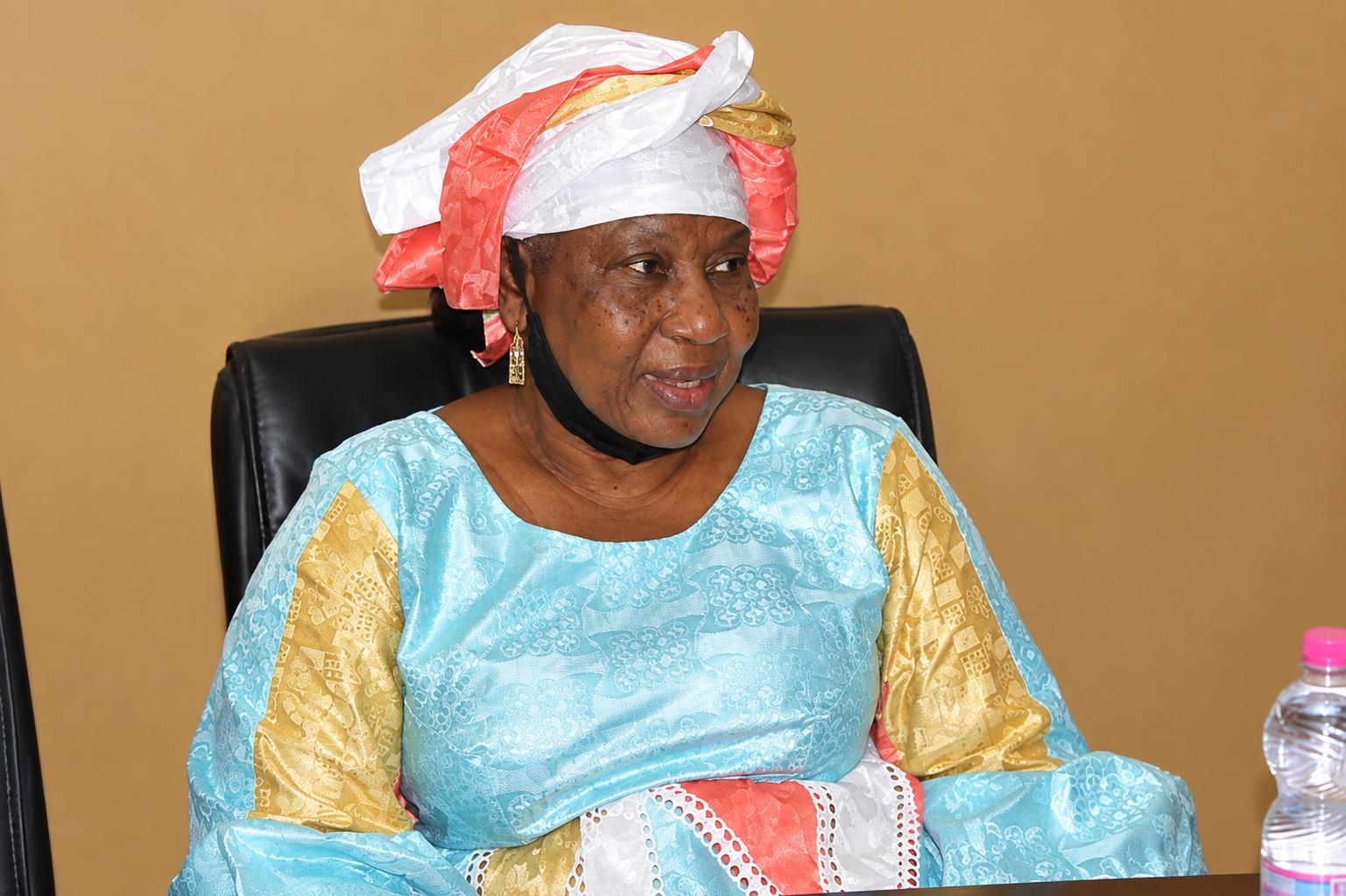
The CNDH’s statement, signed by its acting president, Maître Aissata Founè Tembely, reads like a direct challenge to the authorities in Bamako. By insisting that the security of people and property is the state’s primary sovereign duty, the commission is effectively admitting that military and administrative mechanisms on the ground are not working.
In the Pays Dogon, the security vacuum left by absent or ineffective state forces leaves entire communities exposed to armed terrorist groups. While official speech focuses on national sovereignty and the management of public messages, the real contract between the state and the people of central Mali has broken down. Sovereignty cannot be demonstrated by firm words in Bamako, but by the capacity to protect the life of an ordinary farmer or trader in Ningari.
Institutionalised impunity and ritual calls for investigation
As in every tragedy, the CNDH is asking for independent and impartial investigations so that those responsible can face trial. The credibility of these demands, however, is highly questionable inside a judicial system that has almost stopped functioning in conflict areas.
The accumulation of massacres without any major trial to establish responsibility fuels an overwhelming sentiment of impunity. Without real prosecutions, each new demand for an investigation starts to look like a bureaucratic exercise designed to mask an institutional emptiness. A justice system that never appears in the field destroys public confidence in the state and inevitably pushes local communities toward vigilante justice or temporary alliances, deepening the fragmentation of the social fabric.
The trap of a military-only strategy and the challenges to humanitarian law
By asking the Malian Armed Forces to strictly observe International Humanitarian Law (IHL), the CNDH is also warning against the dangers of a purely military approach without institutional safeguards. In their pursuit of terrorist groups, the security forces and their auxiliaries are frequently criticised by civil society for blending civilians with combatants and committing abuses against local populations.
This strategy, which values statistics and strong communication over lasting security for communities, ultimately produces a counterproductive effect. Each blunder or summary execution becomes the best recruitment tool for extremist organisations. By reminding everyone that counterterrorism cannot ignore human rights, the CNDH delivers a clear warning: a military victory achieved through violations of the law is only an illusion that prepares the ground for future rebellion.
The CNDH’s warning is straightforward. If the transitional authorities continue to prefer political posture and security-related communication over genuine, impartial and judicial protection of citizens, Mali risks losing more than just territory. It may lose the very legitimacy of the state.