Enforced disappearances, abductions, and inflammatory rhetoric targeting political opponents have surged in Mali, a country already grappling with severe security challenges. International human rights advocates are urging Malian authorities to uphold constitutional guarantees and halt these alarming violations.
In the wake of the devastating attacks on April 25-26, 2026, multiple opposition figures and dissenting voices have vanished under suspicious circumstances. The International Federation for Human Rights (FIDH) strongly condemns these forced disappearances, online incitements to violence, and systematic harassment of human rights defenders and critics.
A wave of disappearances in Bamako
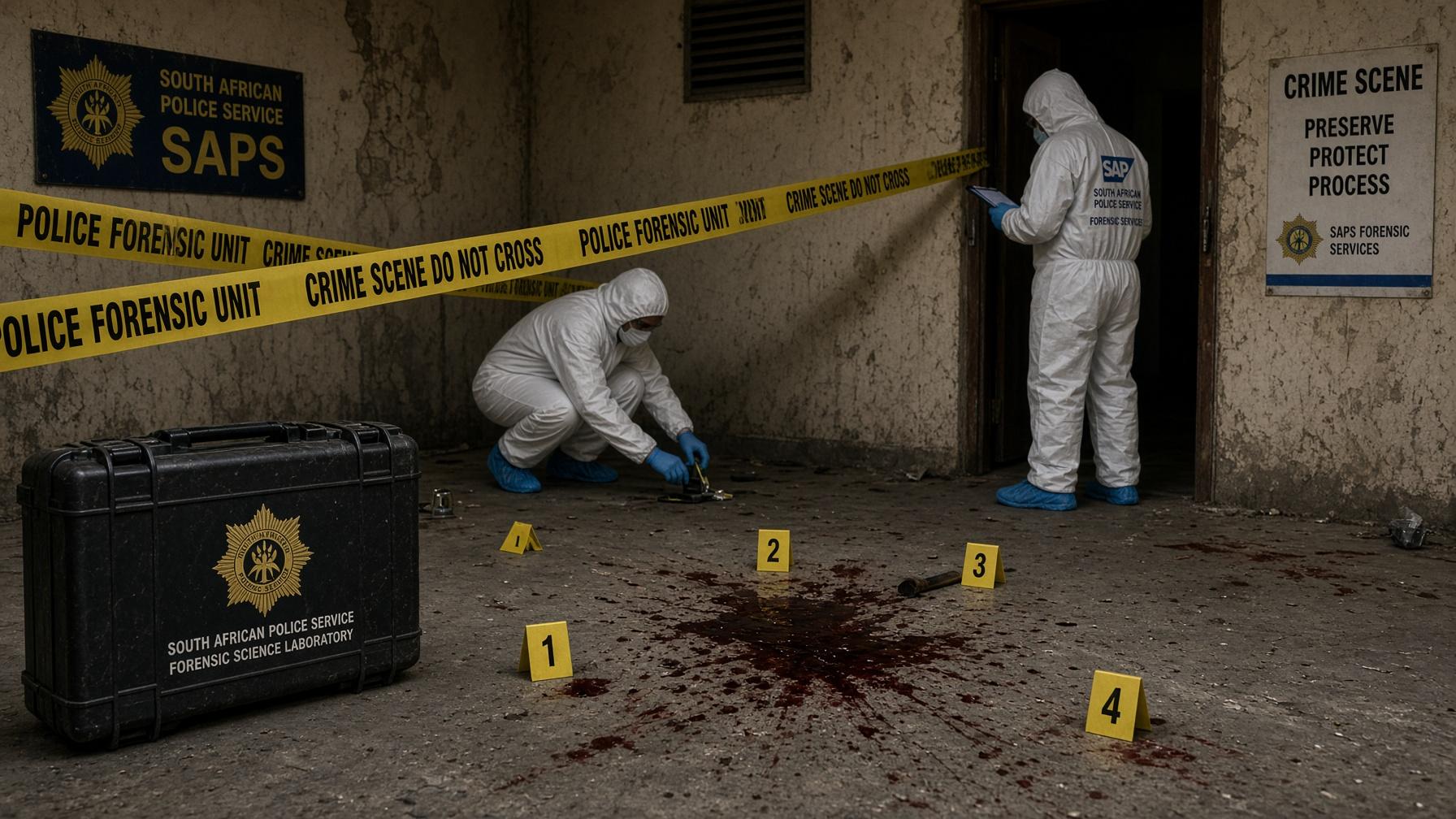
Between May 2 and 5, three prominent political figures were abducted in Bamako by armed, masked assailants traveling in unregistered vehicles:
- Me Mountaga Tall, a prominent lawyer and long-time champion of Malian democracy;
- Moussa Djiré, alias Abba, president of the Yiriba 223 movement;
- Youssouf Daba Diawara, former coordinator of the Coordination of Movements, Associations, and Supporters of Imam Mahmoud Dicko (CMAS).
As of today, their whereabouts and fates remain unknown. The modus operandi mirrors patterns previously linked to the National Security Agency (ANSE), which has been implicated in multiple forced disappearances since 2021. Despite these grave allegations, judicial authorities have yet to initiate investigations.
FIDH’s urgent call for accountability
«These forced disappearances represent a dangerous escalation in the suppression of dissent in Mali. The authorities must immediately disclose the whereabouts of the abducted individuals, ensure their safety, and launch independent investigations,» declared Me Drissa Traoré, FIDH’s Secretary-General. «The Malian government cannot counter worsening security threats through abductions, forced disappearances, or hate speech. Combating jihadism does not justify undermining the rule of law.»
A surge in inflammatory rhetoric
The FIDH has also voiced deep concern over the proliferation of hate speech and public calls for violence on social media, often emanating from activists aligned with the military authorities. Exiled human rights defenders, journalists, and their families face death threats, smear campaigns, and even calls for denationalization.
During the funeral of General Sadio Camara, the Defense Minister killed in the April 25 attacks, Aboubacar Sidiki Fomba, a member of the National Transitional Council (CNT), publicly urged the «killing» and «denationalization» of critical voices abroad. While the prosecutor issued a statement condemning online hate speech, no legal action has yet been taken against those responsible. These abuses are part of a broader pattern of shrinking civic space since the 2020 and 2021 coups, compounded by the May 2025 dissolution of political parties—a move in clear violation of Mali’s Constitution.
Condemning violence from all sides
The April 25-26 attacks, claimed by the Group for the Support of Islam and Muslims (JNIM) and the Azawad Liberation Front (FLA), resulted in significant civilian and military casualties. The FIDH unequivocally condemns these atrocities, as well as the grave human rights violations and breaches of international humanitarian law attributed to these armed groups. The organization also decries the JNIM’s recent attacks on civilian populations in the villages of Kori-kori and Gomossogou, Bandiagara region, on May 6. The FIDH reiterates its appeal to all conflict parties to respect human rights and international humanitarian law. It further urges the international community to redouble efforts to address the ongoing Sahel crisis, ensuring sustainable solutions that protect civilians caught in the crossfire of armed groups and state forces.
The FIDH demands that Malian authorities immediately cease forced disappearances, arbitrary detentions, and intimidation tactics targeting dissenting voices. It also calls for impartial investigations into public incitements to violence and death threats disseminated online.