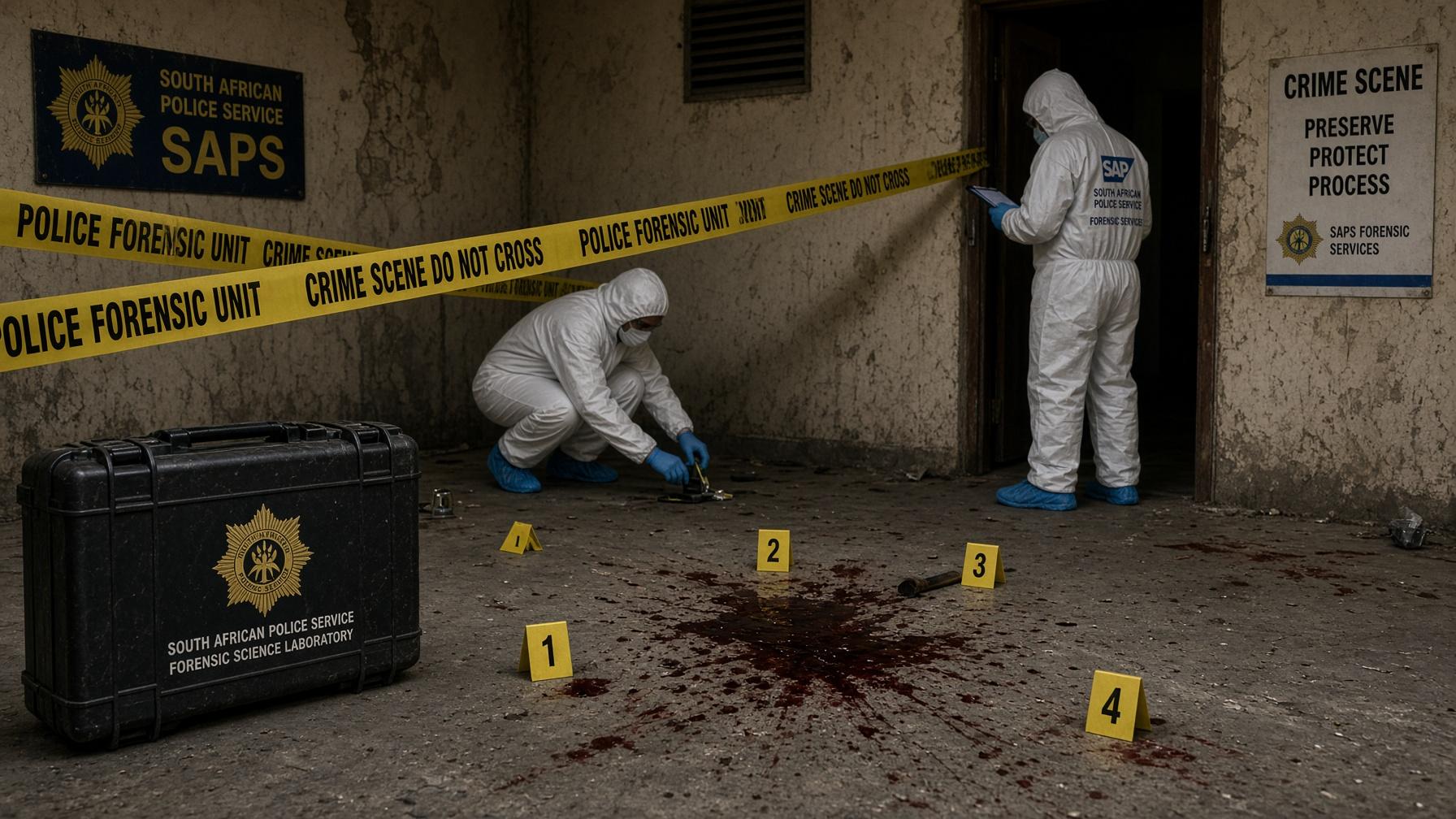
The Dakar Urban Police Force has uncovered a sophisticated network specializing in the forgery of visa approval letters, highlighting the growing complexity of irregular migration routes passing through Senegal. A key suspect, described by investigators as part of a Chinese-operated operation, has been arrested following a coordinated police operation in the capital. The case, reported by local media, once again draws attention to the consular vulnerabilities plaguing West Africa’s administrative systems.
elaborate forgery ring targeting visa approvals dismantled
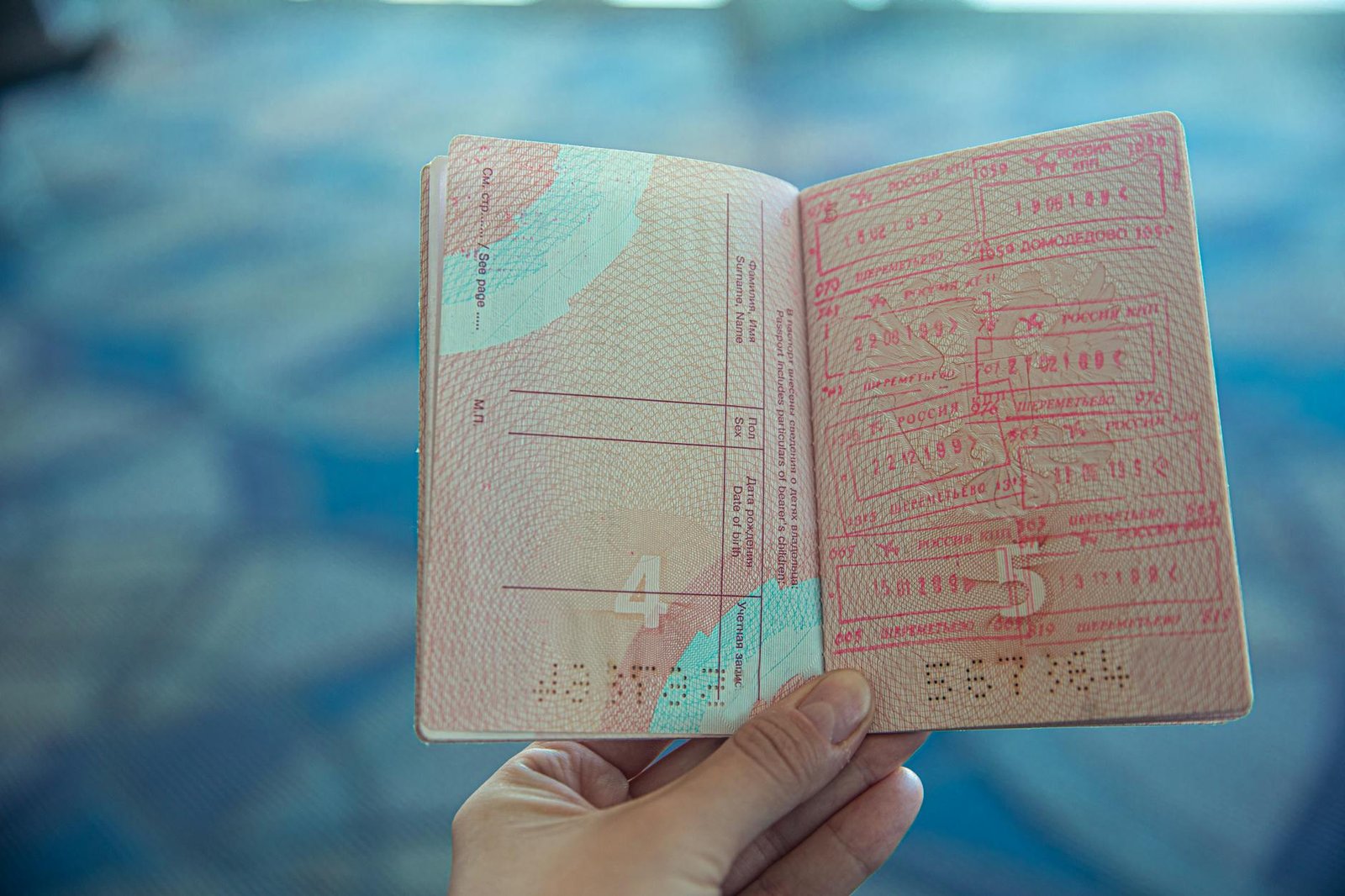
Investigations led by the Urban Police revealed a structured system designed to produce counterfeit visa approval letters—documents often required before consular authorities even consider visa applications. When legitimate, these letters serve as a critical prerequisite for visa processing and have become a highly sought-after commodity among prospective travelers.
The recent arrest of a suspect, identified as a key operational link in the network, follows weeks of covert surveillance. Authorities are now working to trace the masterminds and final beneficiaries of the operation. Investigators are also exploring the possibility of a transnational network with accomplices operating beyond Senegal’s borders.
why Senegal remains a hotspot for document fraud
Dakar has long served as a pivotal migration and consular hub in West Africa. The city’s dense concentration of foreign embassies, combined with extensive air connections to Europe, Asia, and the Middle East, makes it both a gateway for legal migrants and a prime target for illegal trafficking networks. In response, Senegalese authorities have intensified efforts to dismantle document forgery rings—whether targeting passports, visas, or civil status documents.
The Directorate of Foreigners and Travel Documents Police (DPETV) and the Urban Police frequently collaborate on such cases. Investigations have uncovered fraud networks originating from China, Africa, and the Middle East, increasingly employing advanced printing techniques—sometimes with internal collusion from within public administrations or private service providers. This technological sophistication complicates detection efforts for both consular staff and law enforcement.
diplomatic stakes: protecting consular integrity and fostering trust
Beyond the legal consequences, this case underscores the broader challenge of maintaining the integrity of consular document chains. Destination countries—whether in Europe, Asia, or the Gulf—are tightening scrutiny on the authenticity of supporting documents submitted with visa applications. Each scandal involving document fraud erodes trust in Senegalese-issued documents and can lead to stricter vetting processes for all applicants, including those acting in good faith.
The suspected involvement of Chinese actors in this particular network reflects the deepening economic ties between Asian business communities and Dakar’s commercial landscape. Senegalese authorities are careful to distinguish between legitimate economic activity, which fuels investment and employment, and criminal activities that could damage the country’s international image. Should the investigation reveal cross-border links, bilateral judicial cooperation may be pursued to ensure accountability.
The arrested suspect is expected to be brought before the Dakar prosecutor’s office upon completion of the investigation. Charges under consideration typically include criminal conspiracy, forgery and fraudulent use of official documents, and facilitation of illegal immigration. Further inquiries will determine the full scope of the network and the number of falsified documents potentially circulating on the black market. Authorities continue to pursue all leads to fully dismantle the operation.