Mali clamps down on civil society amid growing dissent
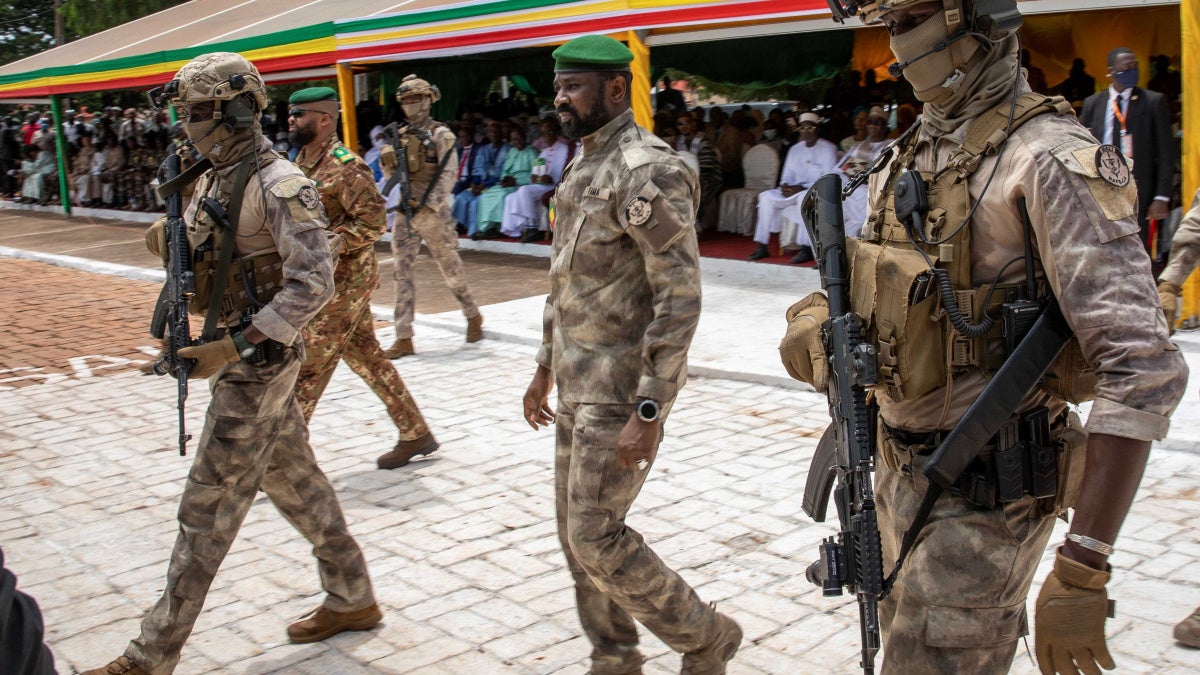
The Mali government has escalated its crackdown on civil society, with the latest move targeting a prominent student association. This follows a pattern of repression against dissenting voices since the 2021 military takeover.
Government dissolves student association amid security allegations
The Mali Ministry of Territorial Administration recently dissolved the Association of Students and Pupils of Mali (AEEM), accusing it of inciting violence and unrest in schools and universities. Authorities claim members were arrested in 2017 and 2018 for possession of weapons, drugs, and unexplained cash.
This decision marks the fourth dissolution of a civil society group in under four months. Earlier dissolutions include:
- The Coordination of Movements, Associations and Supporters of Imam Mahmoud Dicko (dissolved March 6) – accused of undermining public security for advocating democratic elections.
- The political party Kaoural Renouveau (dissolved February 28) – targeted for alleged defamatory and subversive rhetoric against the military junta.
- The Observatory for Elections and Good Governance (dissolved December 20) – a watchdog group monitoring election integrity, whose leader was accused of making statements likely to disrupt public order.
Systematic repression since 2021 military coup
Since the 2021 coup that overthrew the elected government, Mali‘s junta has intensified suppression of peaceful dissent, opposition parties, and independent media. The repression has severely narrowed the country’s civic space. Recent actions include:
- The enforced disappearance of Colonel Alpha Yaya Sangaré, a military whistleblower arrested on March 4 after publishing a book detailing atrocities by Malian security forces.
- Ongoing restrictions on religious leaders, opposition figures, and civil society activists who criticize the transitional government.
National and international condemnation grows
The National Human Rights Commission of Mali issued a statement warning of serious threats to civic and political rights, particularly freedom of association. The commission condemned the systematic dissolution of political parties and associations. The situation has also drawn concern from the United Nations Human Rights Office, whose spokesperson Seif Magango echoed these worries this week.
With Mali approaching three years under unelected leadership, the need for a free and secure civic space—where organizations can operate, voices can be heard, and opinions shared—has never been more critical. Rights advocates urge authorities to immediately reinstate all dissolved groups and commit to protecting fundamental freedoms.