Morocco’s unwavering support for Mali amid escalating regional tensions
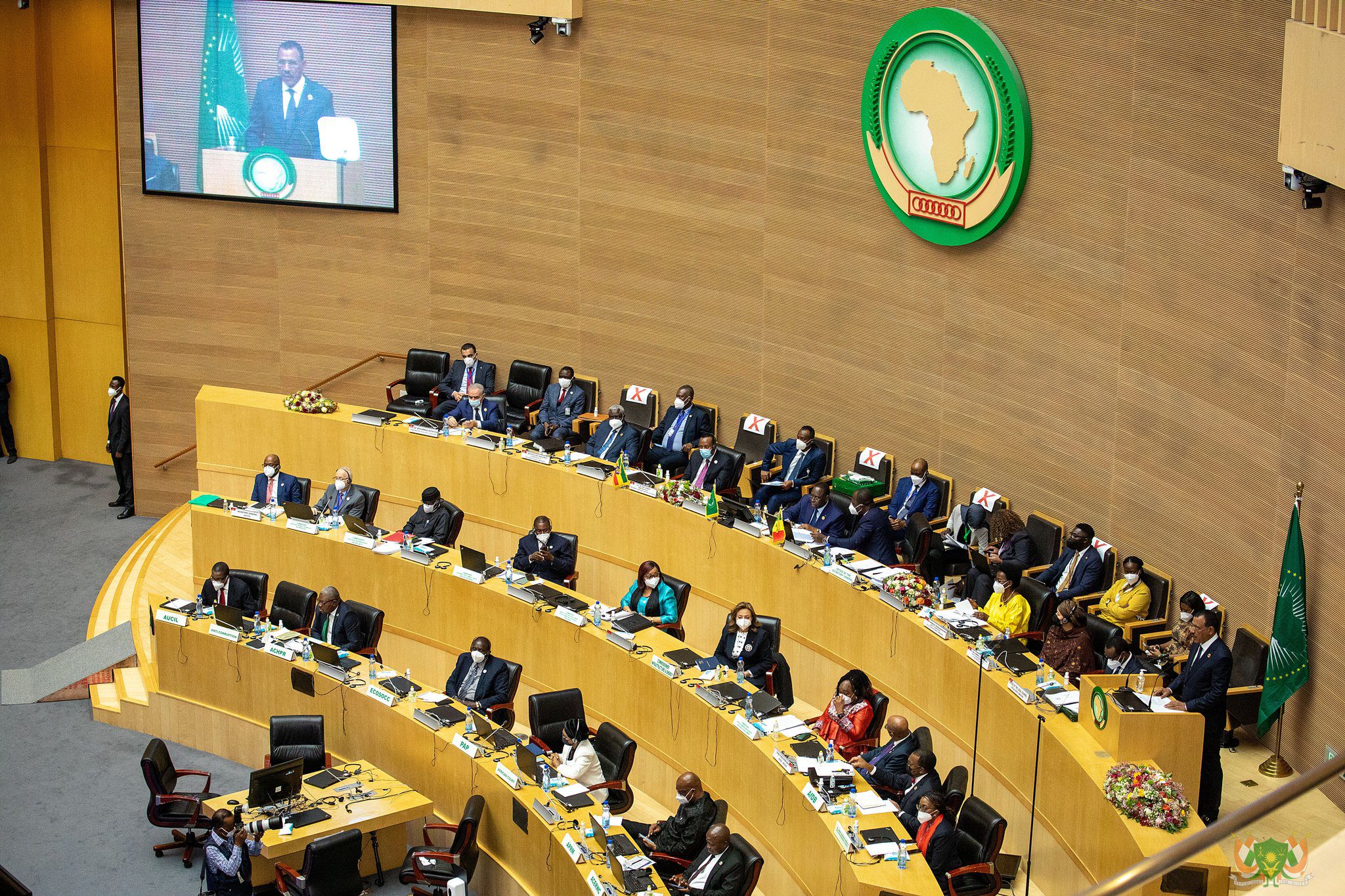
Marrakech – Morocco has once again demonstrated its commitment to regional stability by reaffirming its full solidarity with Mali at the African Union Peace and Security Council (AU PSC). The declaration came in response to the coordinated terrorist and separatist attacks that struck multiple cities in Mali last weekend, prompting condemnation from international observers.
Strong condemnation and immediate support
The Moroccan delegation at the AU PSC session unequivocally condemned the violent assaults targeting both civilian and military zones in Mali. Expressing deep sympathy for the victims and their families, Morocco pledged its unwavering backing for Mali’s sovereignty, security, and territorial integrity. The delegation also called for urgent mobilization of funds to facilitate a swift and coordinated response in collaboration with Malian authorities.
This stance builds upon Morocco’s immediate reaction following the attacks. A diplomatic source in Rabat stated that “the Kingdom strongly condemns these heinous acts”, reaffirming its support for Mali’s government in combating terrorism and separatism across the Sahel region.
The scale of the attacks and their implications
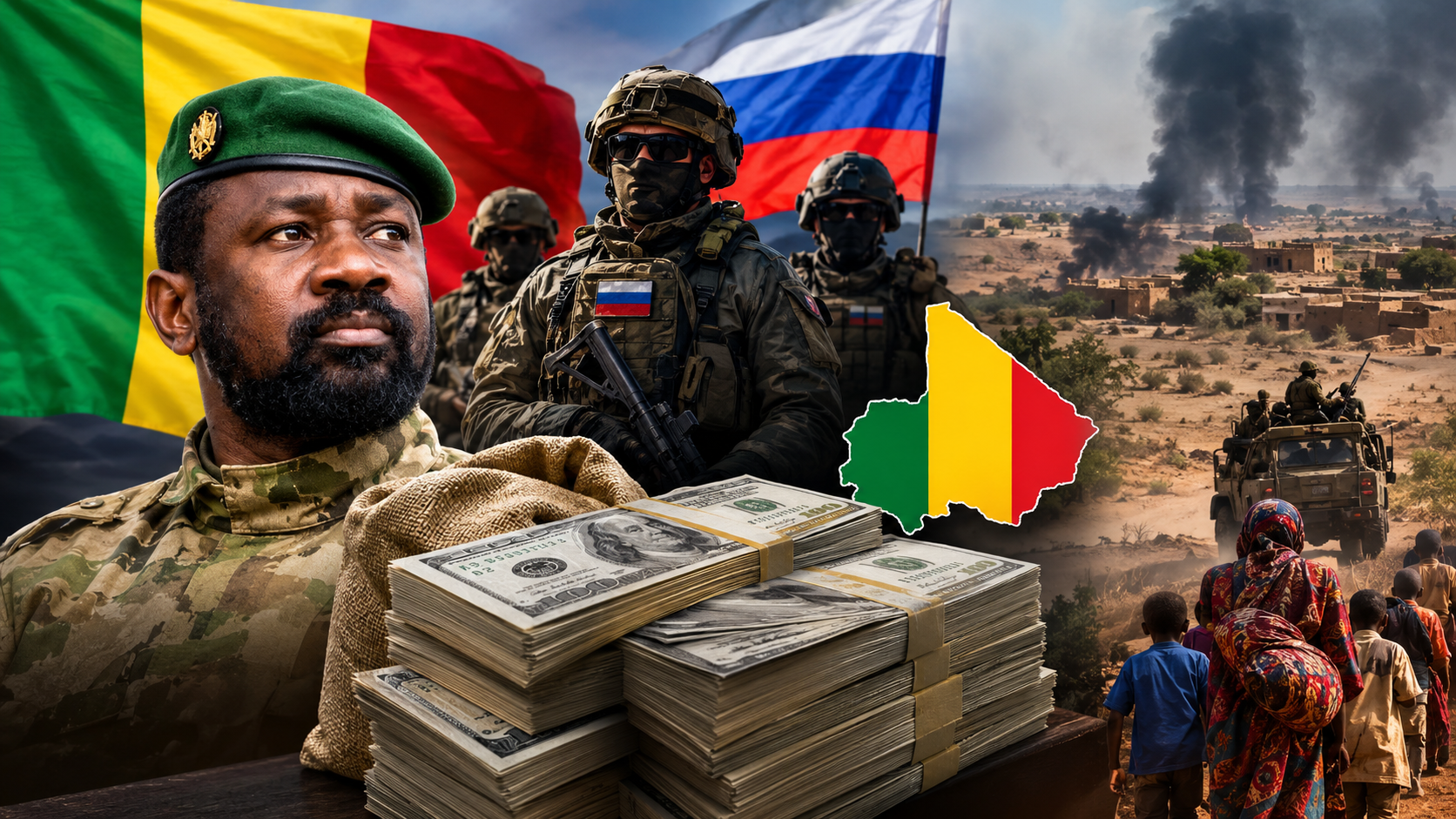
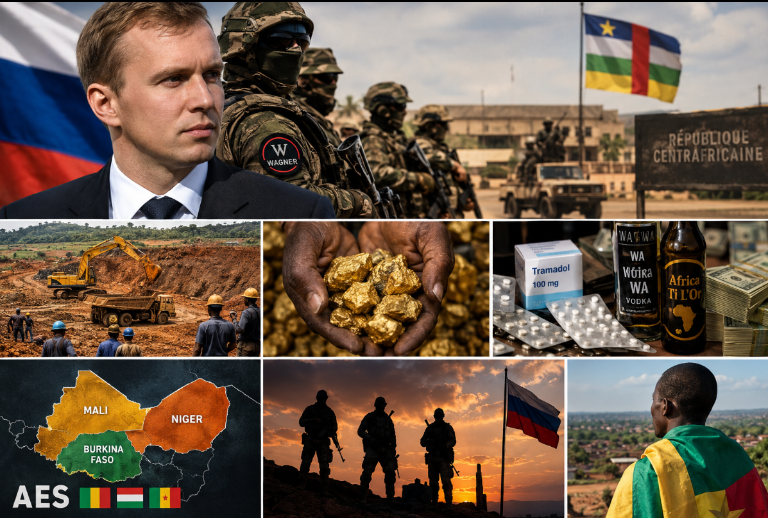
The coordinated assaults on April 25 were unprecedented in their ferocity. Jihadist factions affiliated with al-Qaeda and Tuareg separatist groups launched simultaneous attacks on seven cities, including Bamako, Kati, Kidal, and Gao. The violence resulted in the tragic death of Mali’s Defense Minister, General Sadio Camara, who was killed in a suicide bombing at his residence in Kati. Additionally, Junta leader General Assimi Goita has been missing since the attacks, while the strategic city of Kidal fell under rebel control amid the withdrawal of Russian mercenaries.
Algeria’s alleged involvement and regional destabilization
While Morocco’s swift support for Mali has been widely praised, analysts and observers have raised concerns over Algeria’s role in the crisis. Experts suggest that the recent attacks may be linked to Algeria’s perceived retaliation following Mali’s decision to withdraw recognition of the self-proclaimed SADR and endorse Morocco’s sovereignty over Western Sahara.
Algeria has long been accused of harboring and funding separatist groups in the region, including the Polisario Front. Mali has previously accused Algiers of providing sanctuary to armed factions and interfering in its internal affairs. The coordinated media offensive by Algerian state-aligned outlets following the attacks—amplifying separatist narratives and spreading unverified claims—has further fueled suspicions of a deliberate destabilization campaign.
Algeria’s contradictory stance on terrorism
Observers highlight a stark contrast in Algeria’s approach to terrorism. While Algiers imposes strict media blackouts on domestic security threats, international reports have documented active terrorist activity in regions like Blida. Western embassies have issued travel warnings, yet Algeria’s media apparatus has maintained a blanket denial, revealing a calculated duality in its regional strategy.
With Mali’s abrogation of the 2015 Algiers Accord—citing Algeria’s hostile actions—the North African nation has lost a key instrument of influence over Bamako. In response, Algeria appears to be escalating its tactics through proxy warfare, misinformation campaigns, and territorial destabilization efforts.
Morocco’s partnership-first approach vs. Algeria’s coercive strategy
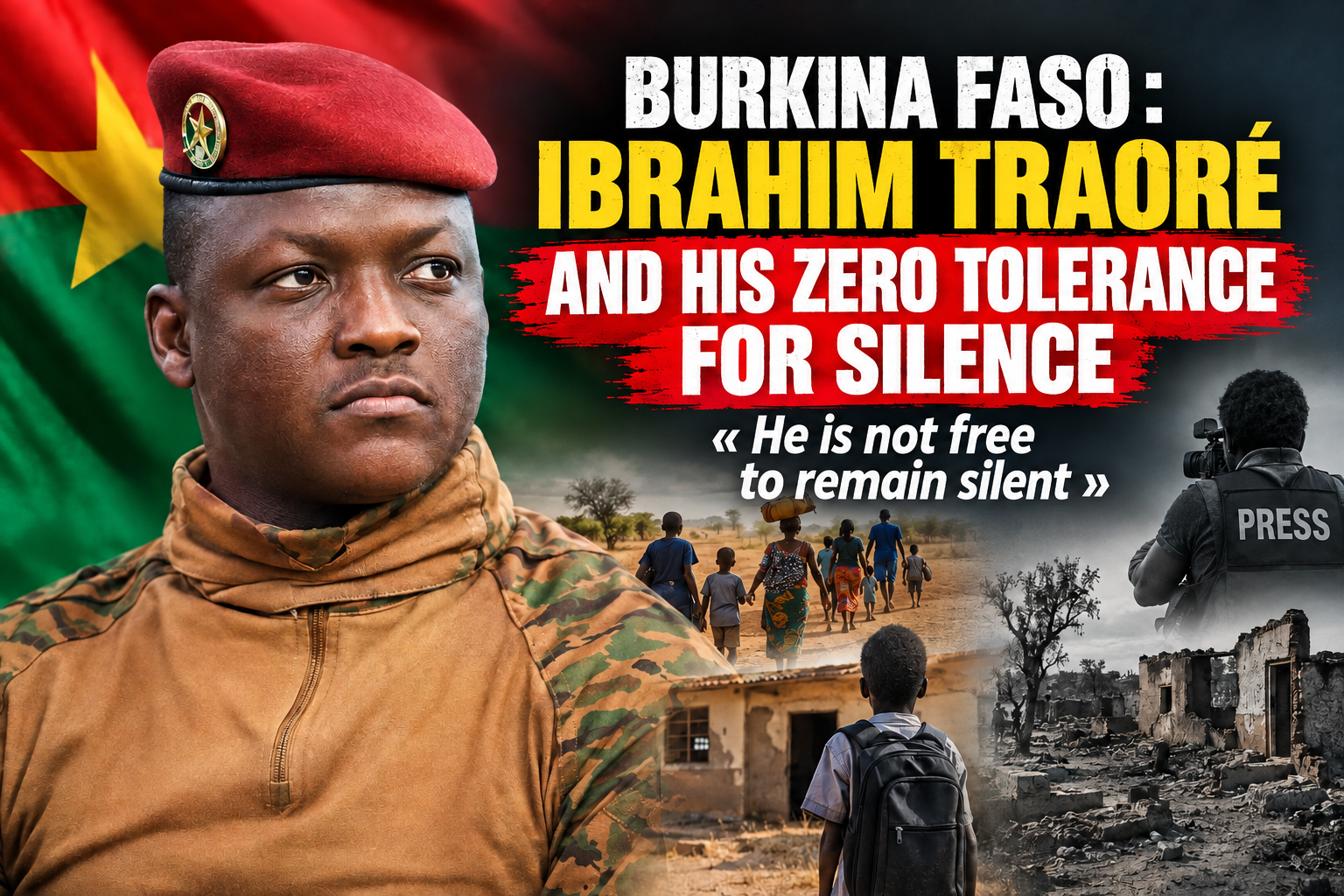
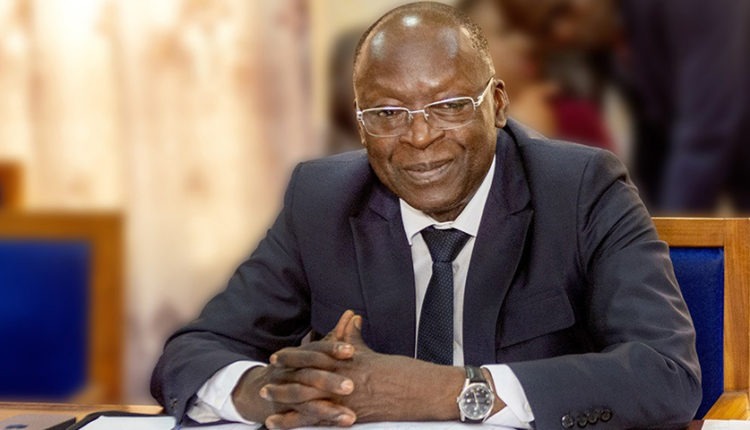
Morocco has consistently advocated for a partnership-based approach to regional stability, emphasizing mutual sovereignty and non-interference. Foreign Minister Nasser Bourita articulated this position in a joint press conference with Burkina Faso’s Karamoko Jean Marie Traoré in Rabat in June 2024, stating:
“Morocco firmly opposes the logic of those who lecture and blackmail Sahel countries.” Even in the Sahel’s neighborhood, there are nations that seek to manage instability through coercion rather than collaboration.
Bourita emphasized that Morocco’s engagement in the Sahel is rooted in confidence in regional partners’ ability to resolve their own challenges, offering assistance without conditions or political strings attached. In contrast, Algeria’s policies are increasingly seen as paternalistic and exploitative, prioritizing regional control over genuine partnership.