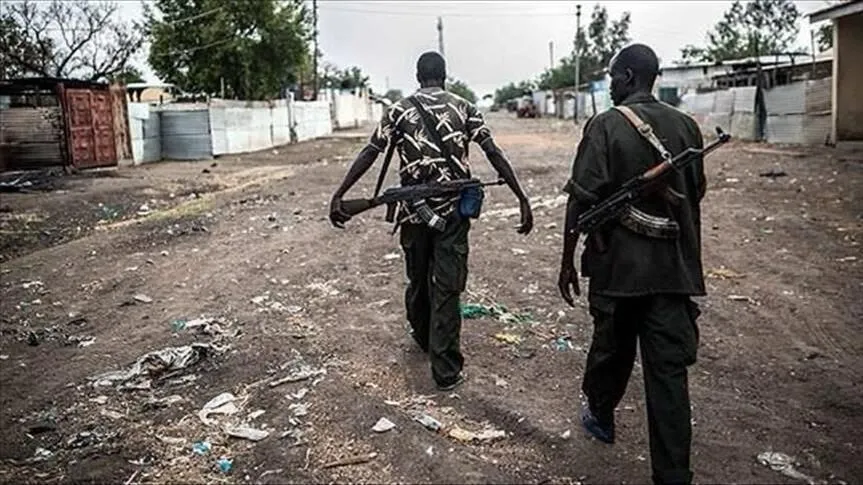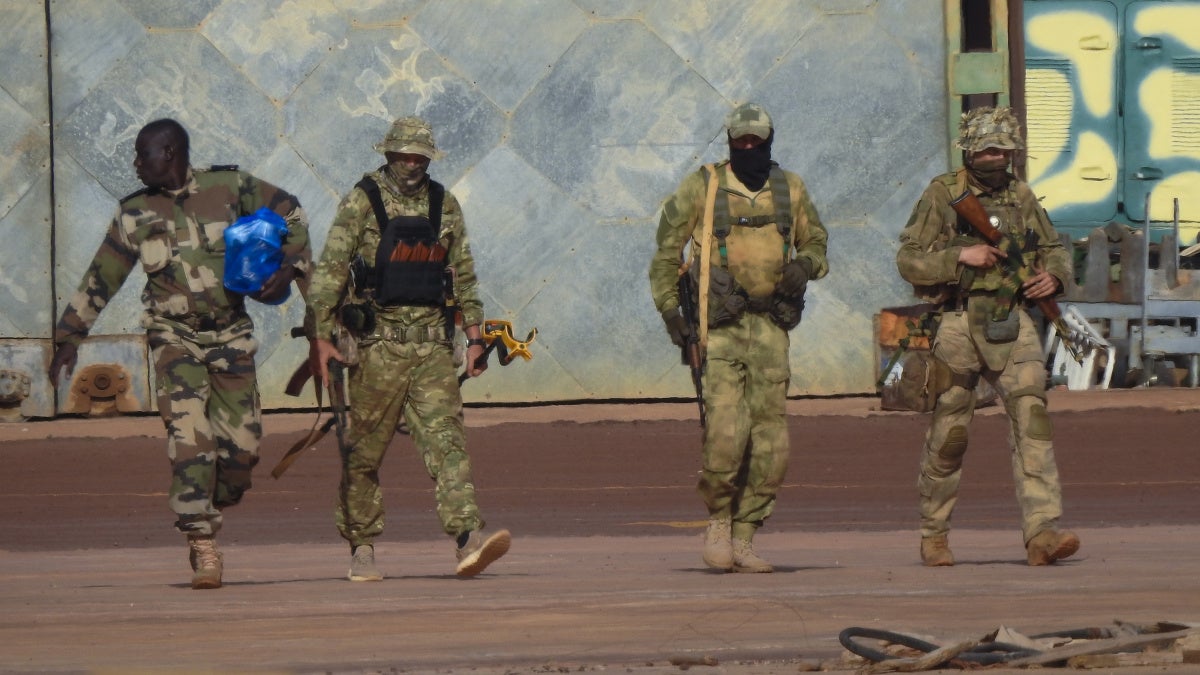
The Malian Armed Forces, in collaboration with the Russia-backed Wagner Group, have been implicated in grave human rights violations against Peul civilians in Mali since January 2025. These abuses include dozens of summary executions and enforced disappearances targeting men from the Peul ethnic group, according to credible reports.
systematic violence and allegations of collaboration
The Malian military and Wagner fighters have allegedly carried out these atrocities under the pretext that Peul communities are colluding with armed Islamist groups, particularly the Group for the Support of Islam and Muslims (JNIM), an Al-Qaeda affiliate active in the region. Witness testimonies and investigations suggest that military operations in several Malian regions have disproportionately targeted Peul men, resulting in widespread abuses.
Since January 2025, at least 12 Peul men have been summarily executed, and 81 others have been forcibly disappeared during counter-insurgency operations. Human Rights Watch documented these crimes through interviews with 29 individuals, including witnesses, community leaders, activists, and international organization representatives. Despite formal inquiries sent to Malian authorities, no responses have been received.
key incidents of abuse
In the village of Kobou (region of Mopti), soldiers executed three Peul men—aged 46, 65, and 75—on January 23, 2025. The two older men were found with their hands bound and eyes covered, while at least 30 homes were set ablaze during the operation. Survivors reported fleeing in fear of being targeted, as both Islamist militants and security forces blame Peul communities for collaborating with opposing factions.
In Sebabougou (region of Kayes), Malian forces and Wagner fighters arrested over 100 Peul men on April 12, 2025, accusing them of ties to Islamist groups. The detainees were taken to a military camp in Kwala, where at least 65 were allegedly executed. Relatives later discovered 43 decomposed bodies near the camp, though they could not confirm identities due to decomposition. Five other detainees were reportedly transferred to Bamako’s central prison and released without charges in mid-July.
In Kourma (region of Ségou), soldiers and Wagner fighters arrested 12 Peul men at a livestock market on March 19, 2025. Witnesses described the victims being beaten, blindfolded, and loaded into a pickup truck bound for Sokolo. Their whereabouts remain unknown. A similar incident occurred in Farana (region of Tombouctou) on March 26, where four Peul men were beaten, likely tortured to death, and their bodies disposed of near a riverbank. Their remains were never recovered.
On March 30, 2025, in Belidanédji (region of Ségou), Malian troops and Wagner fighters executed six Peul civilians aged 35 to 63 during clashes with Islamist militants. Survivors recounted witnessing soldiers summarily killing unarmed men, including a 58-year-old who was shot at close range. Two other Peul men were abducted, tortured, and secretly detained in a shipping container at the Molodo military base for two weeks.
In Sikere (region of Mopti), joint forces comprising Malian soldiers, Wagner fighters, and Dozo militiamen executed four Peul men on May 14, 2025. The victims were accused of supporting JNIM after being rounded up at a mosque. Their bodies were buried in a mass grave.
legal accountability and international response
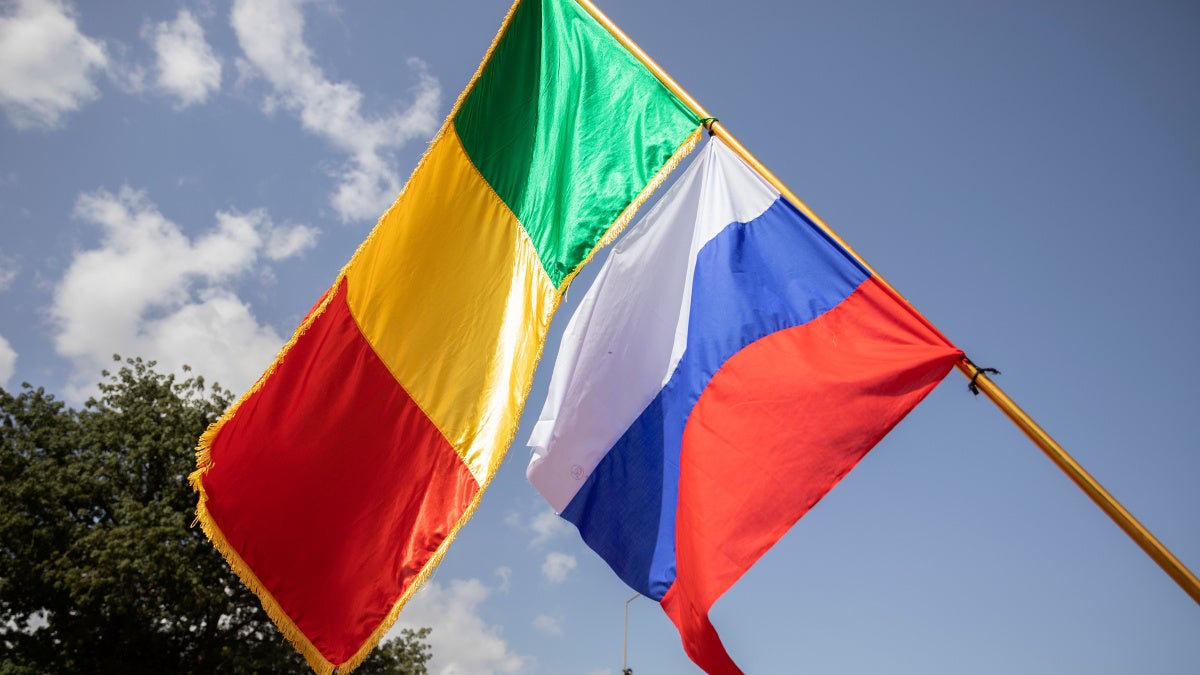
The Malian junta, which seized power in 2021, has denied reports of Wagner Group involvement, despite evidence to the contrary. Russian officials, however, have acknowledged Wagner’s presence, framing their role as providing “security services” to the Malian government. Following the death of Wagner founder Yevgeny Prigozhin in 2023, his forces have been gradually replaced by the Africa Corps, a paramilitary group directly controlled by the Russian government.
The African Union (AU) has been urged to intensify efforts to protect civilians in Mali, including supporting investigations into abuses and pressing for fair prosecutions. The AU’s intervention is critical, particularly after Mali’s withdrawal from the Economic Community of West African States (ECOWAS) in January 2025, which limits victims’ access to regional justice mechanisms. A UN peacekeeping mission left Mali in 2023 at the junta’s request, further exacerbating concerns over civilian protection and accountability.
All parties to the conflict in Mali are bound by international humanitarian law, including Common Article 3 of the Geneva Conventions, which prohibits murder, cruel treatment, and torture. Enforced disappearances violate the International Convention for the Protection of All Persons from Enforced Disappearances, to which Mali is a state party. Additionally, Mali is subject to the Rome Statute of the International Criminal Court (ICC), which has been investigating alleged war crimes in the country since 2012.
Human rights advocates emphasize that senior Malian and Russian officials could face legal consequences for crimes committed by their forces. The AU or the ICC may intervene if domestic justice systems fail to address these atrocities. “Perpetrators of these crimes must know that accountability is inevitable, whether through African or international courts,” warned a senior researcher.
ongoing conflict and humanitarian crisis
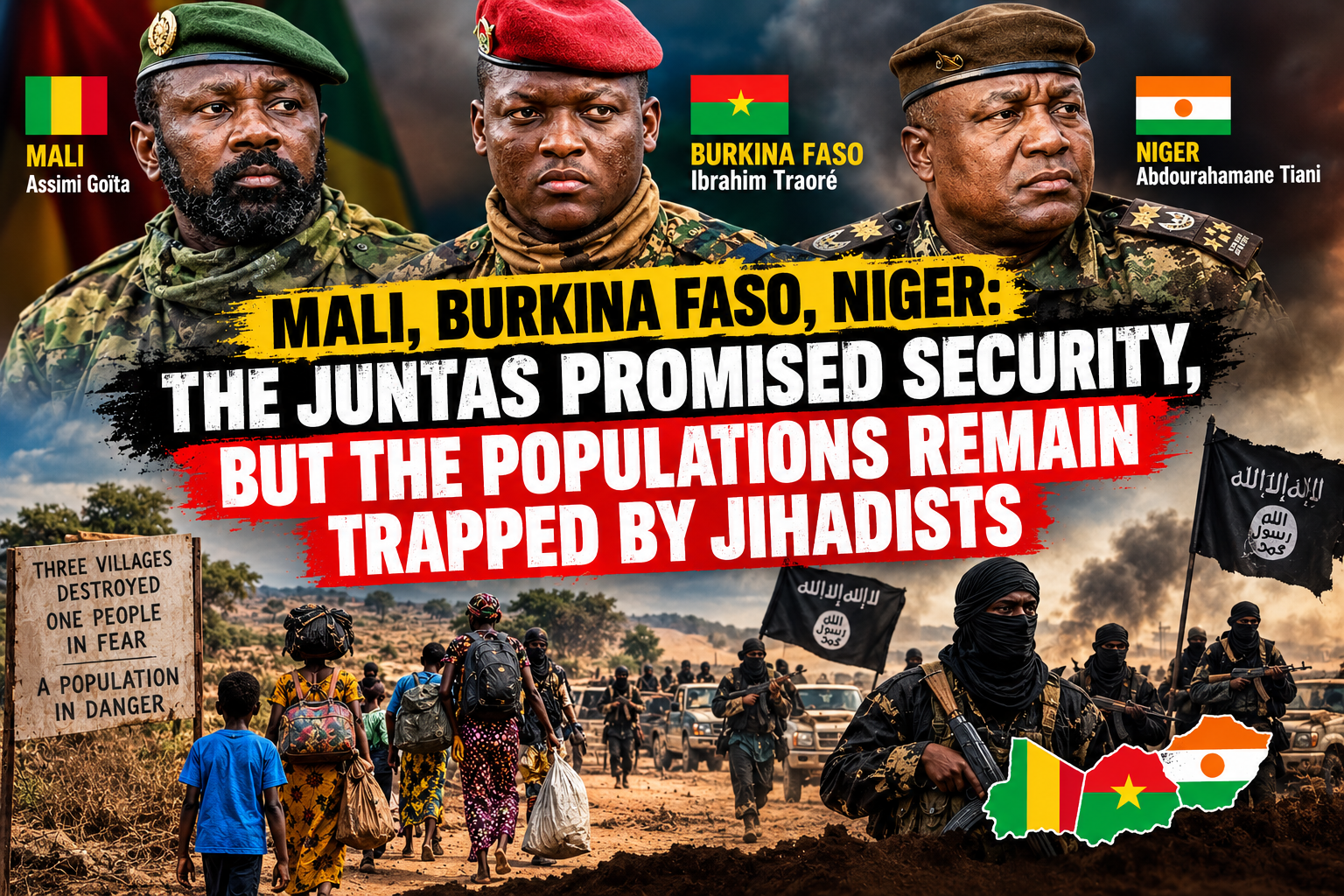
Since 2012, Mali has grappled with a protracted conflict involving Islamist armed groups like JNIM and the Islamic State in the Sahel Province. The violence has displaced over 350,000 people and claimed thousands of civilian lives. Successive Malian governments have struggled to contain the insurgency, leading to increased reliance on external actors like Wagner Group for military support.
The junta’s reliance on Wagner Group has drawn international condemnation, with reports of widespread abuses by both Malian forces and their Russian allies. Despite denials from Malian authorities, evidence continues to mount, highlighting the urgent need for independent investigations and prosecutions.
As the conflict persists, Peul communities remain disproportionately affected, caught between Islamist militants who recruit from their ranks and security forces that target them indiscriminately. The cycle of violence shows no signs of abating, leaving civilians in a precarious and perilous situation.