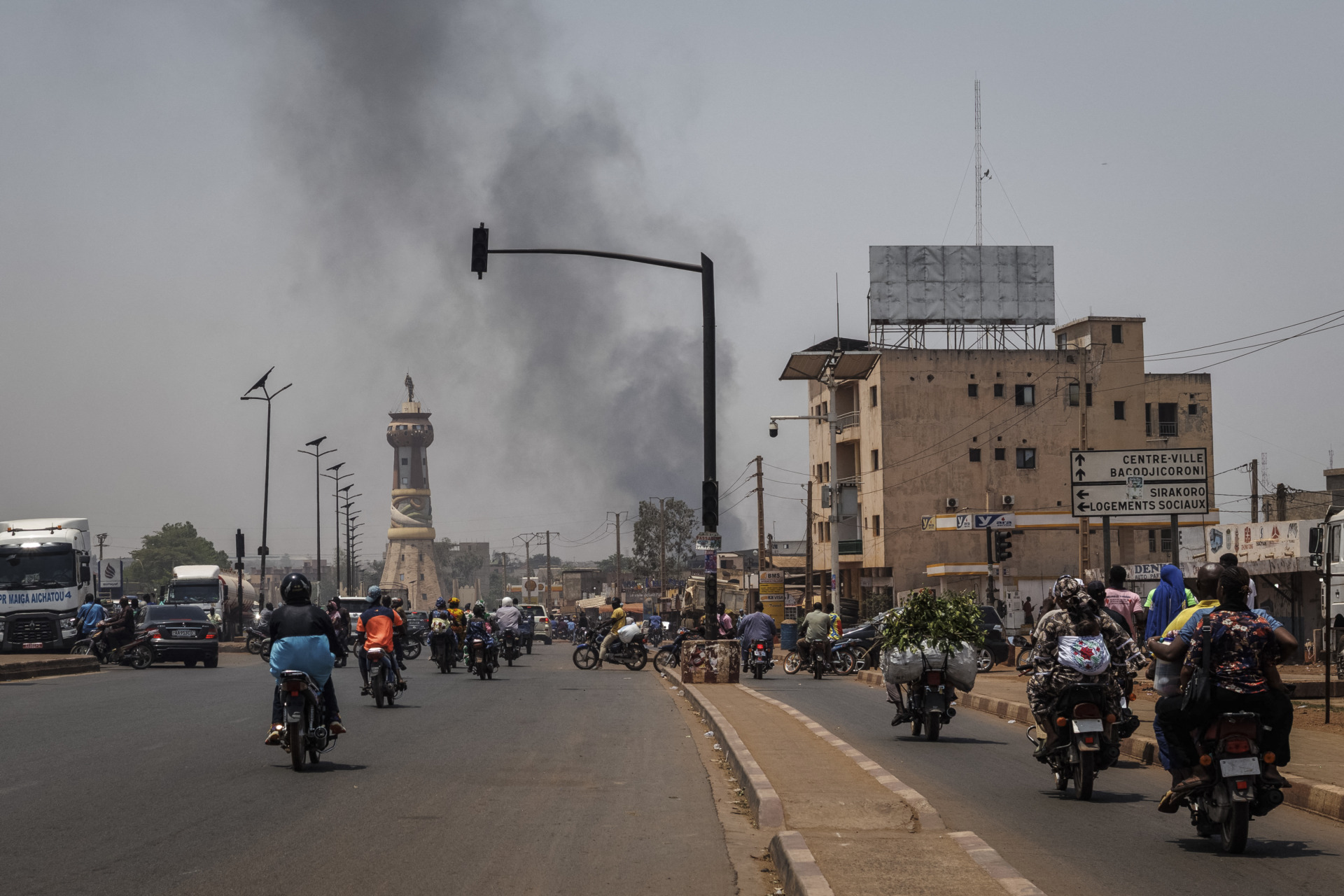
In the early hours of April 25, the silence surrounding the military town of Kati, located just 15 kilometers from Mali’s capital, Bamako, was broken by heavy explosions and gunfire. This coordinated assault, claimed by the jihadist organization JNIM and the Tuareg separatist group FLA, quickly spread across the nation. By the following day, the ruling military government confirmed that Defense Minister Sadio Camara had passed away from wounds sustained during a strike on his home. Reports also suggest that the junta’s intelligence head, Modibo Koné, may have been killed or severely injured in the same wave of violence. Despite these losses, the military regime claimed to have regained control, even as active combat continued, highlighting a significant disconnect between official narratives and the situation on the ground.
These strikes represent the most formidable threat to Assimi Goïta’s authority since he took power in a 2020 coup. The attacks occurred as the regime’s stability was already faltering. Since last September, a JNIM-led blockade has severely restricted landlocked Mali, targeting over 130 fuel tankers and cutting off vital imports from Sénégal and Côte d’Ivoire. This economic strangulation has led to widespread school closures. Although the junta denied freeing over 100 JNIM captives to end the fuel crisis, the pressure of the blockade reveals the group’s ability to weaken the Malian state far beyond the front lines.
This recent surge in violence serves as a critical evaluation of the junta’s reliance on Russia-backed security and the suppression of civil rights to achieve stability. The failure of this model is likely to have significant implications for neighboring military regimes in Burkina Faso and Niger, which also moved away from Western partnerships.
A recurring alliance of jihadists and separatists
The current situation mirrors events from 2012, when a similar coalition of militants and separatists overwhelmed Malian forces in the north. While the jihadists aimed to create an Islamic state, the MNLA sought independence for the Tuareg people. That earlier alliance was fueled by fighters returning from Libya with heavy weaponry following the fall of Muamar Qaddafi. Although they initially seized vast territories, the partnership eventually collapsed into internal conflict.
The latest strikes mark the first time these two groups have coordinated on such a scale in over a decade. While JNIM and the FLA share short-term tactical goals, their long-term objectives remain at odds. For now, their collaboration aims to demonstrate that the Malian state is incapable of defending its core institutions. JNIM, in particular, appears to be using a strategy of attrition to exhaust the junta’s resources until the government collapses internally.
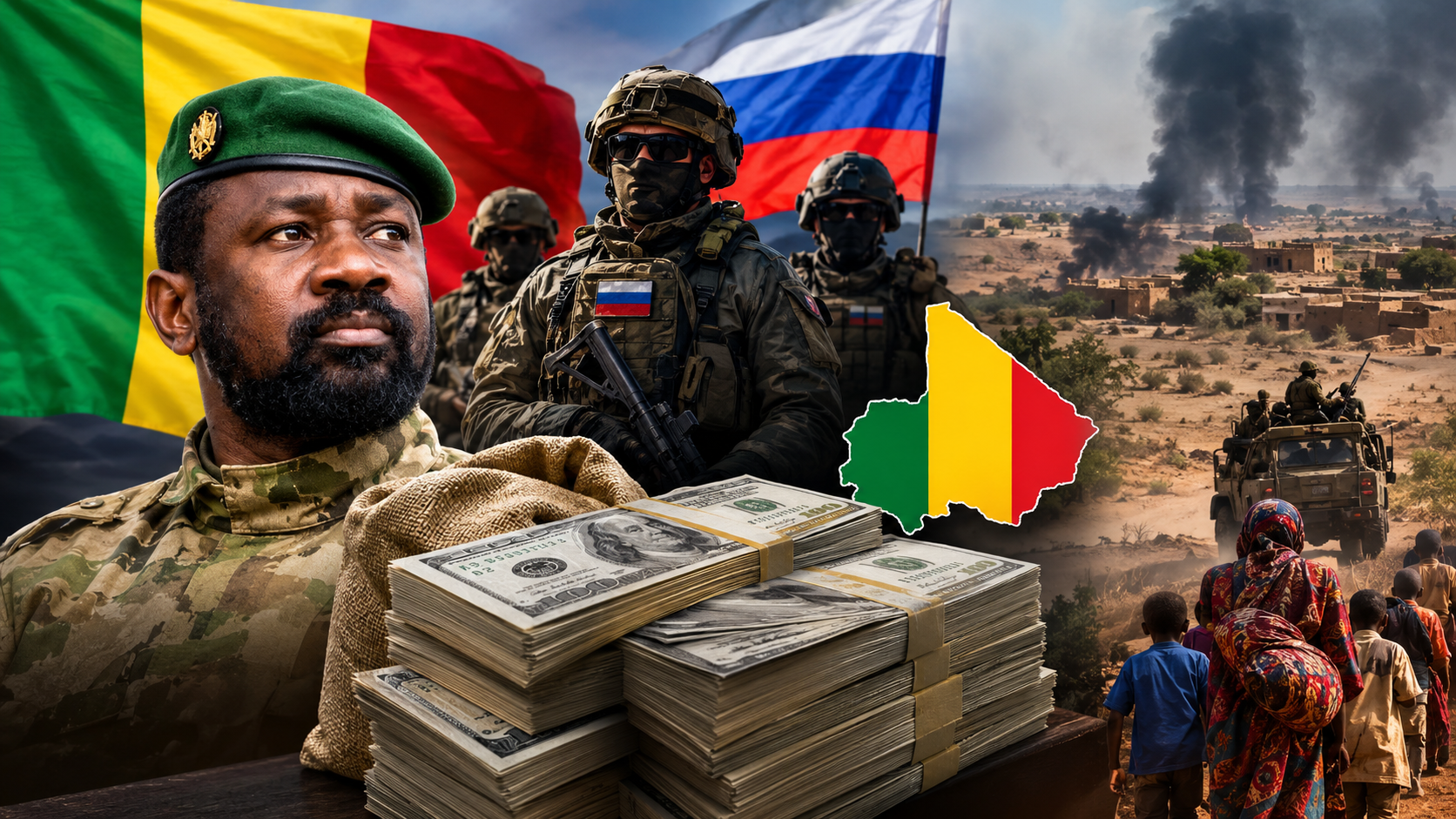
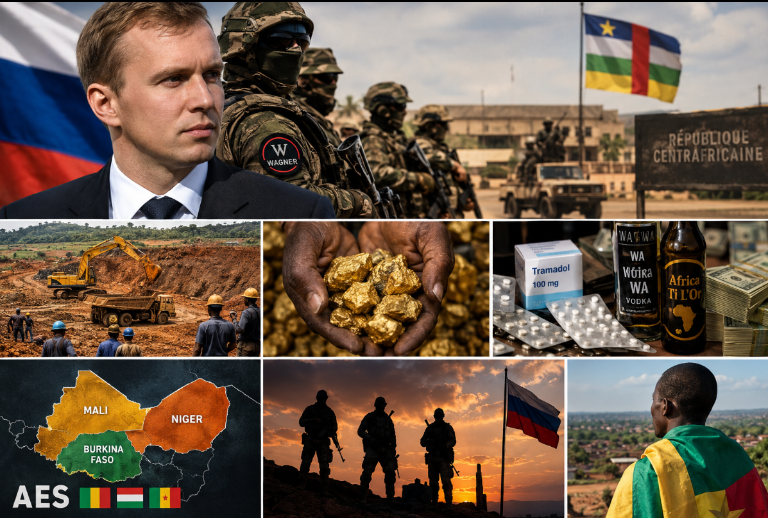
The late General Camara was the primary architect of Mali’s alliance with Moscow and the deployment of the Wagner Group. This partnership led to the departure of French troops in 2022 and the end of the United Nations peacekeeping mission in 2023. Following the death of Yevgeny Prigozhin, the Russian presence was reorganized under the Ministry of Defense as Africa Corps.
However, this transition has changed the nature of Russian support. Unlike the Wagner Group’s active combat role, Africa Corps functions primarily as a training and advisory unit focused on maintaining Russian influence. Data indicates a sharp decline in Russian engagement in Malian battles, falling from 537 incidents in 2024 to much lower levels by early 2026. Furthermore, the ongoing war in Ukraine has limited the number of personnel available for deployment in Africa.
The fallout from the loss of Kidal
The shift in Russian strategy is most evident in Kidal. In late 2023, Malian and Wagner forces captured the city, a move that seemed to justify the junta’s pivot toward Russia. However, following the April 25 attacks, Africa Corps forces withdrew from Kidal, effectively surrendering the previous gains. This retreat highlights the failures of the Alliance of Sahel States (AES) model.
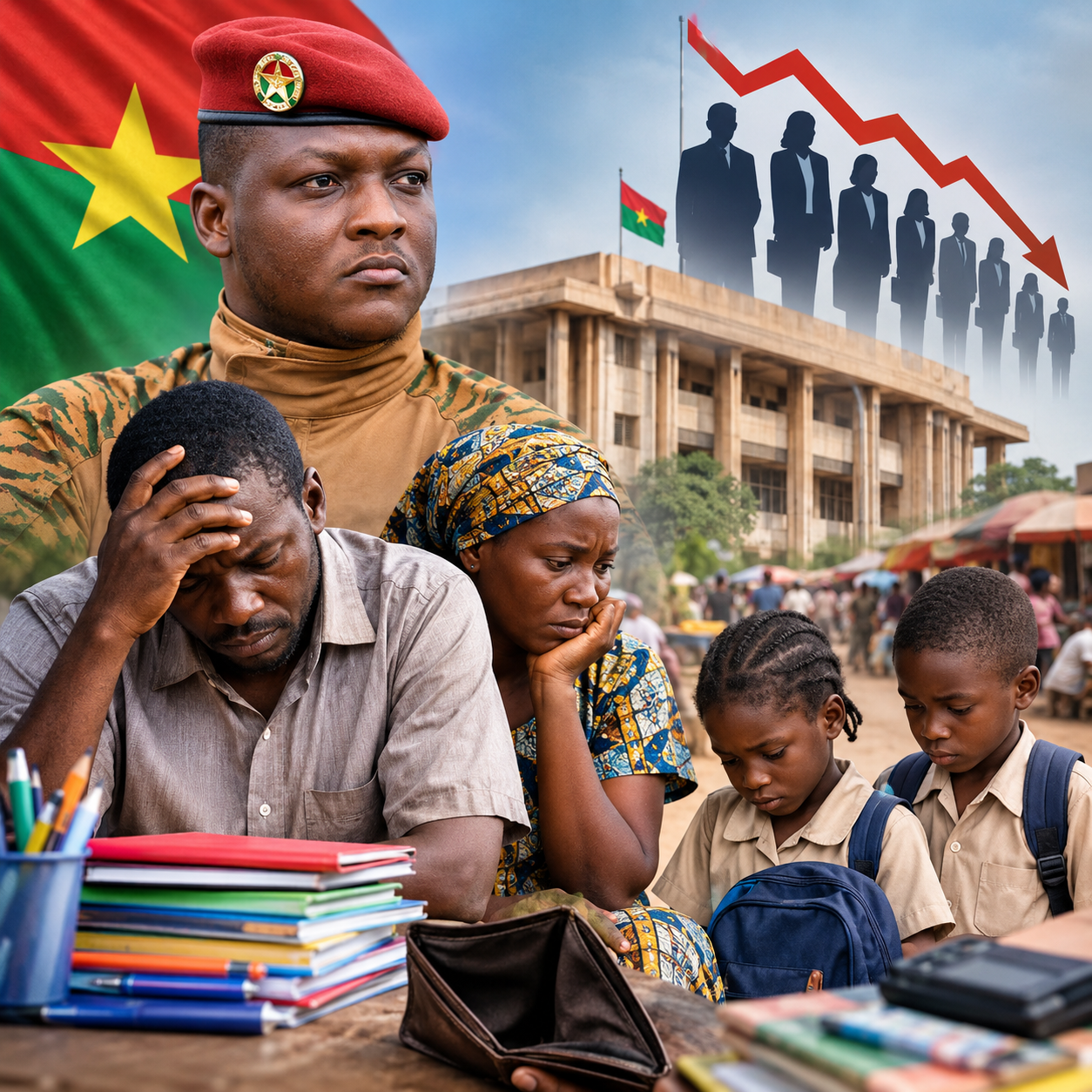
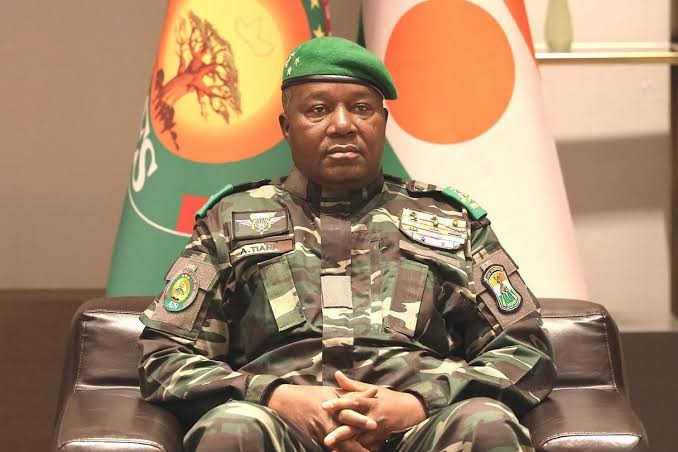
The AES juntas in Mali, Burkina Faso, and Niger justified their power grabs by promising better security than their democratic predecessors. Yet, since forming their own alliance and leaving ECOWAS, security in the region has significantly deteriorated. The recent offensive has exposed the fragility of their legitimacy.
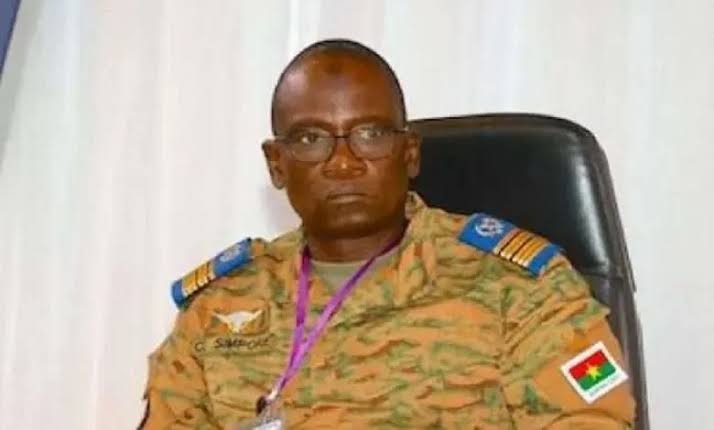
Since 2012, the Sahel has seen multiple coups justified by rising insecurity. Presidents in Mali and Burkina Faso were ousted for their inability to contain the threat. Now, Goïta faces a similar predicament. With the loss of Camara, his inner circle is fractured, and his political legitimacy is thin, especially after dissolving political parties and extending his term until 2030. A failed coup attempt in August further highlighted internal divisions within the military, and the recent intelligence failures may lead to further unrest among the officer corps.
Shifting U.S. counterterrorism strategy in the Sahel
For years, Mali was central to United States counterterrorism efforts in the region until coups triggered legal restrictions on aid. However, there are signs that the Trump administration may be reconsidering this stance. Recently, the Treasury Department removed sanctions on several Malian officials previously linked to Wagner activities. Discussions are reportedly underway regarding intelligence-sharing, drone access, and cooperation over critical minerals like gold and lithium.
The current crisis may actually provide the United States with more influence. The junta’s security strategy is visibly failing, and their Russian partners have been sidelined. Washington appears to be exploring a “security-for-minerals” arrangement, similar to a recent deal with the Democratic Republic of the Congo (DRC), which involved private security entities like Vectus Global. This could serve as a new framework for re-engaging with Sahelian juntas.
The recent offensive confirms that JNIM has expanded its capabilities, now utilizing drones and economic sabotage. Meanwhile, the Malian state is more isolated than ever, having cut ties with regional bodies like ECOWAS. Neighbors like Burkina Faso and Niger are watching closely, as the credibility of the military-led security model is being tested to its limits.
Regional implications of the offensive
As Russia’s primary foothold in the Sahel, Mali’s current struggles will resonate with other governments seeking Moscow’s protection. In the Central African Republic and Madagascar, leaders have looked to Russian forces for regime security. However, the inability of Russian forces to hold Kidal or prevent the offensive in Mali may cause these nations to reconsider their reliance on Moscow.
Globally, Russia’s reputation as a reliable security partner is under pressure. From the collapse of the regime in Syria to events in Venezuela, the limits of Russian support are becoming clear. The retreat from Kidal serves as a stark reminder that Russian assistance may not be enough when local partners face determined and sustained insurgent pressure.