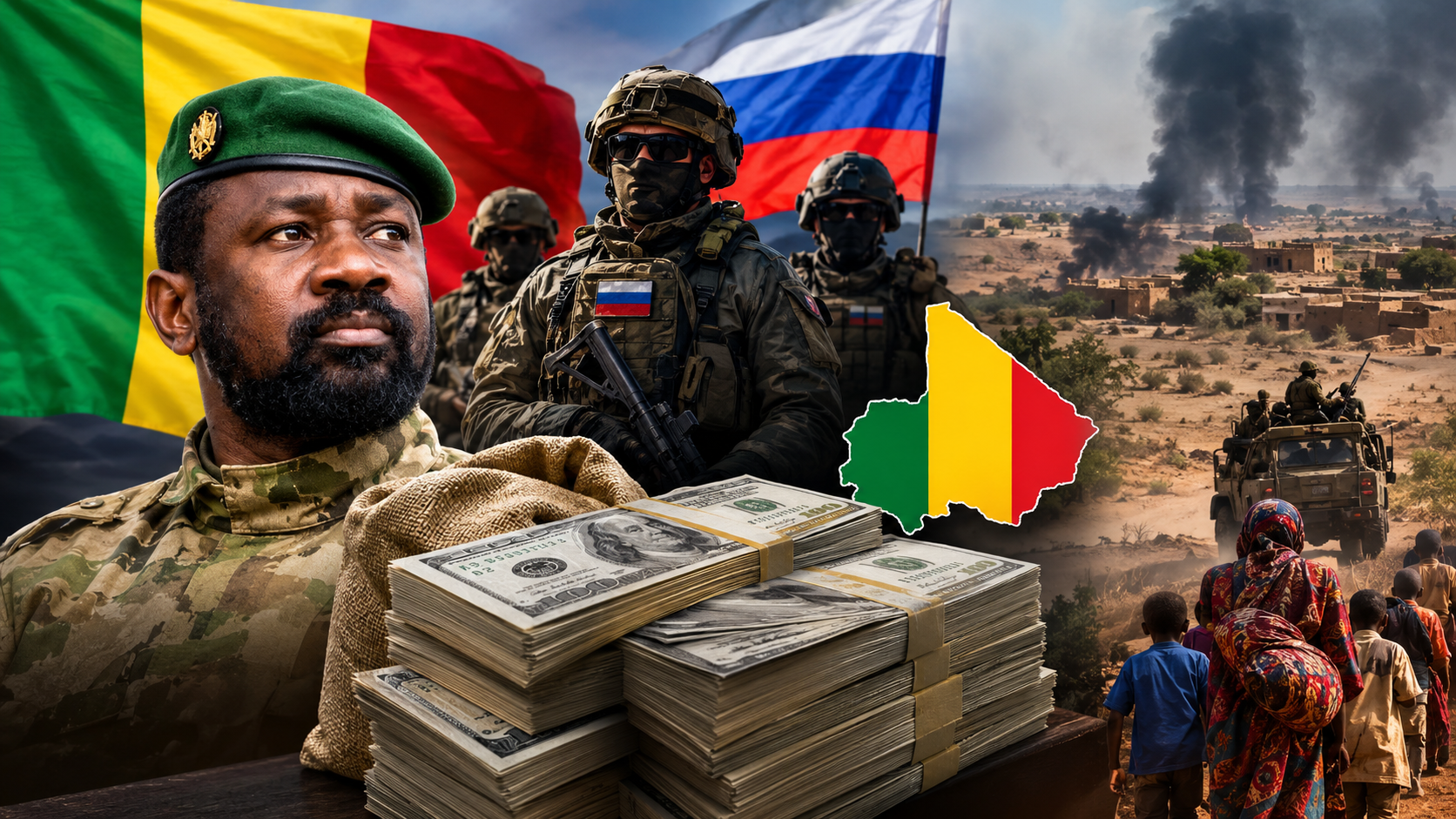
In the wake of intense assaults by militant factions on Malian Armed Forces’ installations, the nation’s military leader, Assimi Goita, recently declared that the government maintains control. He highlighted that Russian security elements provided crucial aerial assistance to stop insurgents from seizing strategic locations, including the seat of government in Bamako.
Nevertheless, the security landscape in this West African territory remains precarious. The administration is currently battling to reclaim various municipalities from Tuareg rebels and groups linked to al-Qaeda, who have threatened a comprehensive blockade of Mali’s capital city.
The scale of the coordinated weekend strikes across several urban centers, including Bamako, sent shockwaves through the region. During these confrontations, Mali’s Defence Minister, Sadio Camara, lost his life, and several northern hubs, such as Kidal, fell into rebel hands. While the military government claimed to have neutralized over 200 militants, the loss of territory has raised alarms.
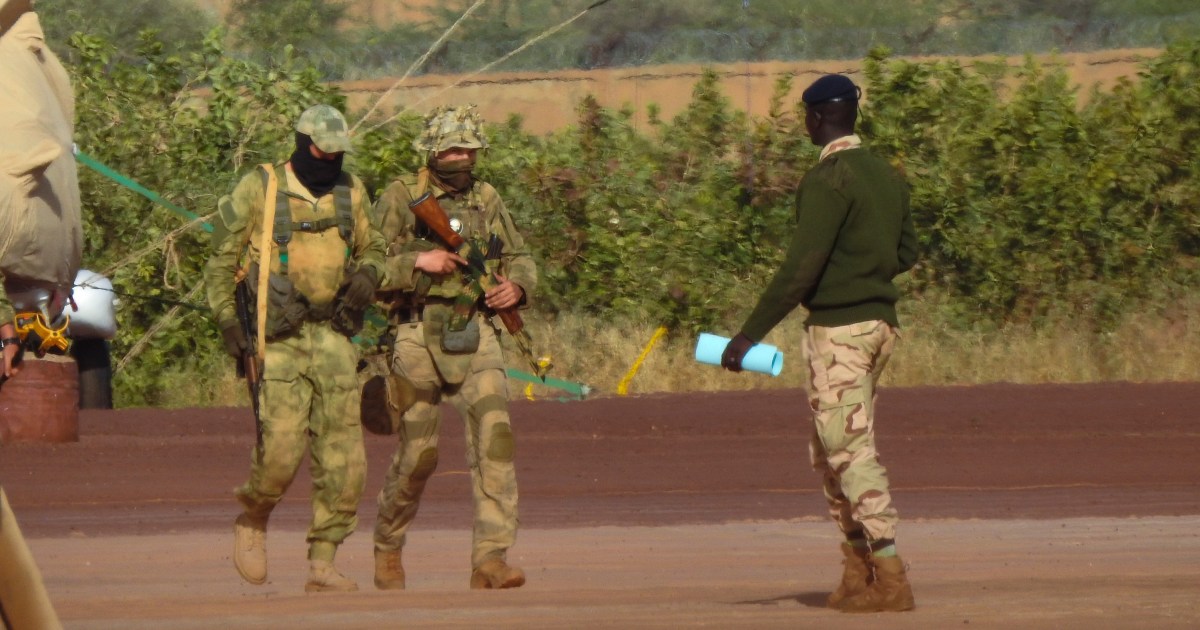
Observers are now scrutinizing the reliability of Bamako’s defense pact with Russia. These concerns intensified following reports that Russian units retreated from Kidal. These fighters, operating under the state-controlled Africa Corps—which took over for the Wagner Group—had been active alongside Malian troops in the northern theater.
Recently, the Africa Corps confirmed their departure from Kidal, asserting that the move was a strategic decision coordinated with Malian leadership. This development has led conflict experts and citizens on social media to debate the true strength of Russian military aid to Sahelian nations like Burkina Faso and Niger, both of which are also grappling with rising insurgencies.
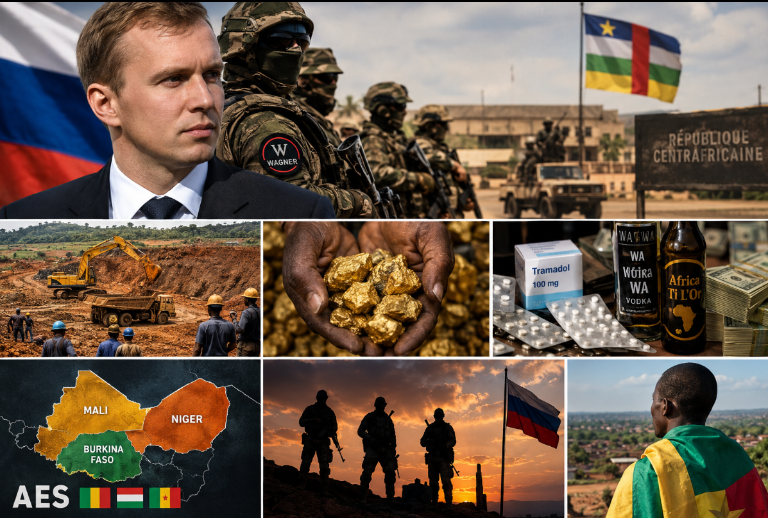
The Africa Corps was established by the Russian Defence Ministry to replace the private Wagner Group after Mali requested the exit of over 4,000 French soldiers in 2022. This shift coincided with Mali, Burkina Faso, and Niger forming the Alliance of Sahel States (AES) after distancing themselves from the ECOWAS regional bloc.
The status of Russian forces following the recent offensives
The recent wave of violence was a joint effort between the al-Qaeda-aligned Jama’at Nusrat al Islam wal Muslimin (JNIM) and the Tuareg-led Azawad Liberation Front (FLA). Their targets included major military hubs in Kati, Sevare, Gao, and Kidal.
Mali has struggled with internal conflict since 2012. Approximately 2,000 Russian personnel have been stationed in the country since 2021, filling the vacuum left by departing United Nations and French forces. While many former Wagner members joined the Africa Corps, analysts note a distinct change in operational style; the new unit appears more focused on defensive postures compared to the high-risk aggression previously shown by Wagner.
Both the Malian military and their Russian partners, along with the insurgent groups, have faced accusations from human rights organizations regarding civilian casualties that may constitute war crimes. During the fall of Kidal, Russian units were observed exiting the city in convoys, allegedly following exit negotiations facilitated by Algeria. Meanwhile, an undisclosed number of Malian troops were reportedly disarmed and taken captive.
Official responses from Moscow
The Africa Corps maintained via social media that their withdrawal from Kidal was a mutual agreement with Bamako. They stated that wounded personnel and heavy machinery were prioritized during the evacuation, though they admitted the general situation in Mali remains taxing.
Russian officials also took credit for thwarting attacks on the presidential palace via air strikes. Furthermore, the Russian Defence Ministry alleged, without providing evidence, that the thousands of insurgents involved in the weekend attacks were trained by European and Ukrainian mercenaries.
While the Malian government has not officially confirmed if the Russian withdrawal was a joint choice, local reports suggest that regional authorities in Kidal had warned the mercenaries of the impending attack days in advance. Some officials imply that the Africa Corps may have preemptively negotiated their departure.
Russia’s standing in the Sahel after the attacks
Since the French military exit, Russia has positioned itself as a liberating partner for Sahelian nations. Moscow has utilized paramilitary groups to exert influence across the continent, with presence noted in Sudan, Libya, and the Central African Republic. In Niger and Burkina Faso, the Russian presence is smaller, focusing largely on advisory roles.
While Wagner previously helped the Malian government regain control of Kidal in 2023, the recent loss of that same stronghold and the death of the pro-Russia Defence Minister have significantly tarnished Moscow’s reputation in the region. Analysts suggest that the Africa Corps failed to demonstrate the necessary resolve during the Saturday crisis.
Assimi Goita, appearing in a video to dispel rumors about his safety, remained defiant about ongoing security operations but avoided direct mention of the Russian withdrawal. Experts point out that leaving behind equipment and a drone station in Kidal suggests either a lack of commitment or that the Russian forces were simply overwhelmed by the insurgent numbers.
As JNIM militants threaten to besiege Bamako, the effectiveness of the Russia-Mali partnership is under intense question. The perceived failure to protect key strongholds may make other African nations hesitant to seek similar security arrangements with the Africa Corps in the future.