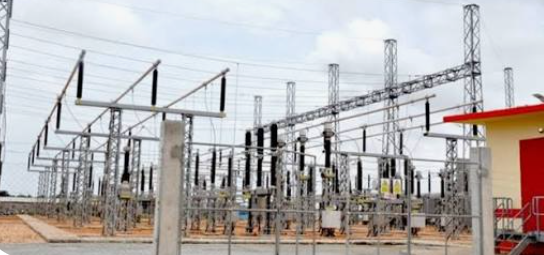
Irregular power cuts have been affecting the CEB community in recent weeks, driven by a sharp drop in reservoir water levels. This natural challenge was compounded by a devastating fire on April 23 at a Ghanaian dam-linked facility, crippling the regional grid by removing a critical 1,000 MW slice of capacity. Yet, where total blackouts once loomed large over Benin, strategic government investments—especially the Maria-Gléta 2 power plant—now keep the nation energized and prevent nationwide outages.
Ghana’s energy crisis triggers regional ripple effects
The West African power network is under strain. Ghanaian officials confirm the fire caused a staggering loss of nearly 1,000 MW, forcing Accra to take drastic action: suspending electricity exports to Burkina Faso, Togo, and Benin to stabilize its own national grid. For Cotonou, this abrupt cut was a resilience test. While SBEE subscribers did feel minor disruptions, the worst-case scenario was avoided thanks to years of forward-thinking planning.
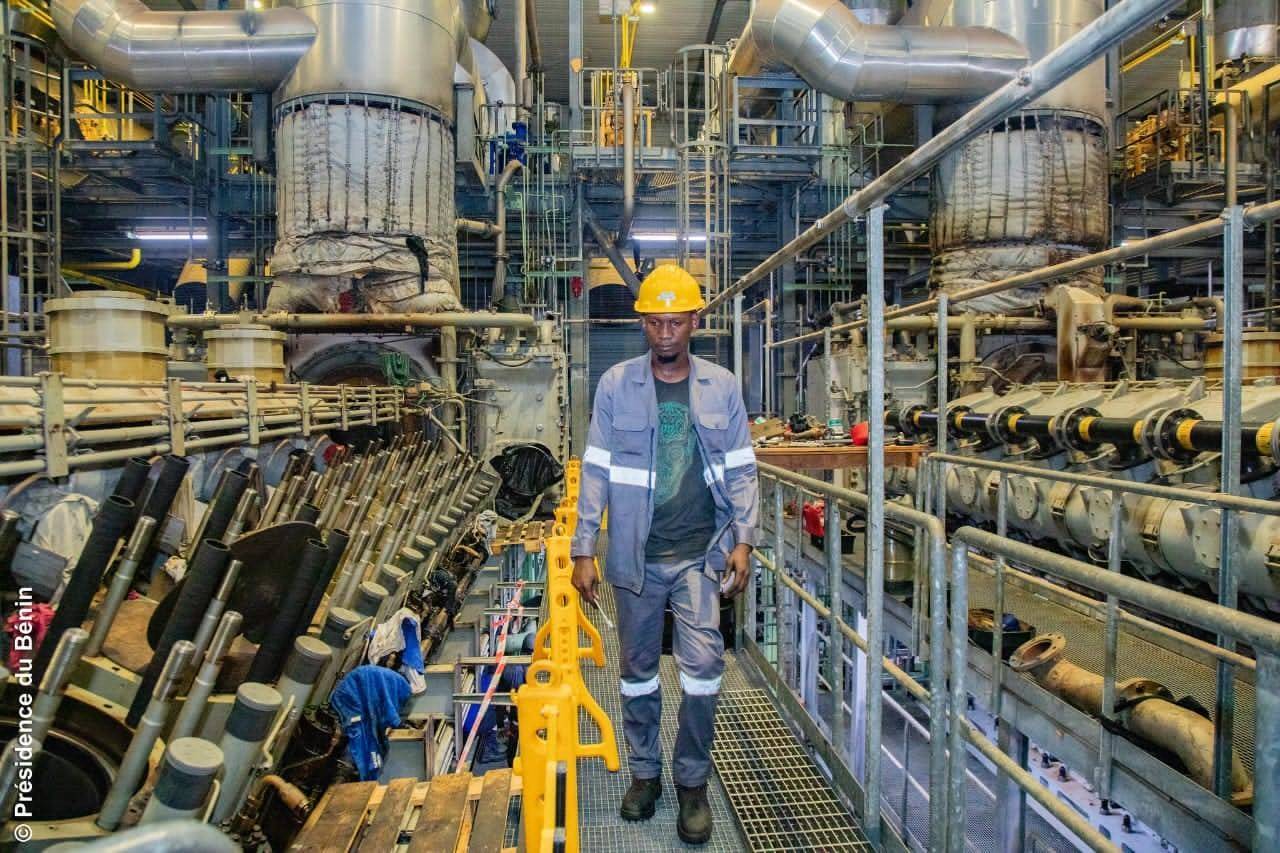
Maria-Gléta 2: the game-changing thermal fortress
Benin’s survival of this energy shock isn’t accidental—it’s the result of deliberate policy turned into steel and turbines. In the past, a failure by Ghana would have paralyzed the national economy and plunged households into darkness for weeks. Today, the Maria-Gléta 2 thermal plant—cornerstone of the Government Action Plan (PAG)—acts as a protective shield. Running at full capacity, this strategic asset fills the void left by suspended imports, turning what could have been a national disaster into a manageable technical hiccup.
“Every megawatt generated on Beninese soil is a win for energy sovereignty and a promise of comfort for our people.”
Strategic moves toward energy independence
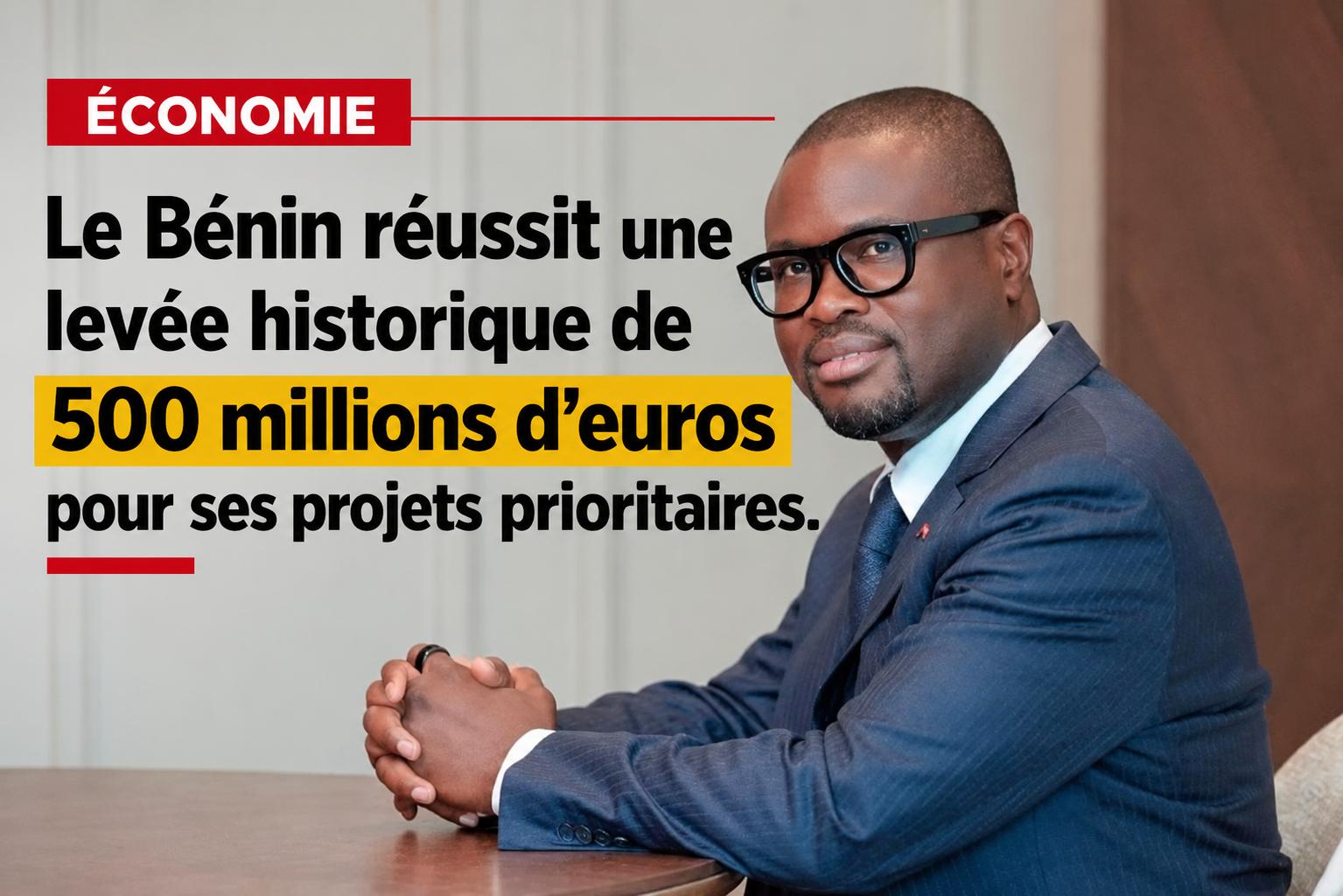
President Patrice Talon’s administration isn’t waiting for neighbors to resolve regional volatility. Recognizing that true national sovereignty begins with energy independence, the government is accelerating modernization of the power grid and diversifying production—especially through solar initiatives. The goal is crystal clear: complete self-sufficiency. By boosting domestic thermal capacity, Benin ensures its industrial growth and daily life remain untouched by technical failures across the border.
Resilience that validates past decisions
While sporadic outages in recent days remind us that regional dependency still lingers, they also serve as proof of the bold investments made since 2016. The construction of Maria-Gléta 2 has given Benin an unprecedented level of energy resilience. The path forward is clear: energy independence is no longer a distant dream—it’s a reality under construction.