Justice for war crimes in the democratic republic of Congo
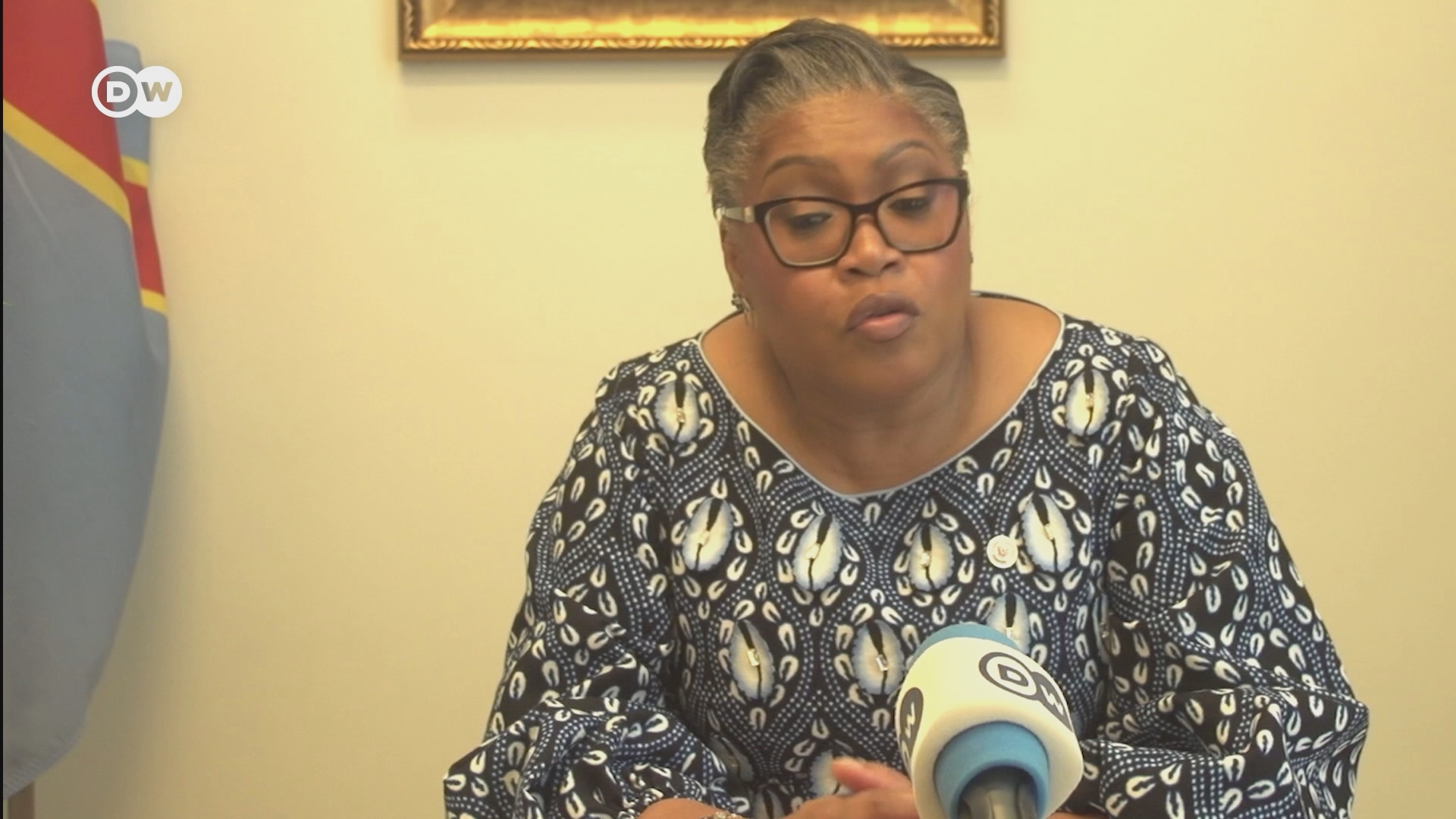
The Prime Minister of the Democratic Republic of Congo (DRC), Judith Suminwa, has made a strong case for accountability during her visit to New York. As the country assumes its rotating presidency at the United Nations Security Council, her agenda is clear: prioritize civilian protection, address sexual violence as a weapon of war, and demand justice for victims of conflict.
In an exclusive statement, Judith Suminwa emphasized the DRC’s commitment to democratic principles amid growing public debate. She acknowledged the legitimacy of protests as long as they remain within the legal framework, stressing that freedom of expression must coexist with national unity and constitutional order.
At the heart of the DRC’s priorities is the urgent need to safeguard civilians in conflict zones. The Prime Minister called for stronger international action to shield vulnerable populations—especially women, children, and survivors of gender-based violence—from the ravages of war. Her stance underscores a shift from symbolic resolutions to tangible, on-the-ground enforcement.
Sexual violence as a weapon of war remains a critical issue in the DRC, with documented cases used systematically to destabilize communities. Judith Suminwa urged the UN to elevate this issue in peace negotiations, advocating for the inclusion of survivor support in ceasefire agreements and ensuring perpetrators face consequences. “Justice must prevail,” she declared, demanding a robust legal framework to hold accountable those responsible for war crimes.
Beyond security concerns, the Prime Minister highlighted the DRC’s ongoing battle against the Ebola outbreak. With nearly $1 billion pledged by international partners, she called for swift disbursement of funds to prevent the health crisis from spiraling into a full-blown humanitarian disaster. The DRC has already allocated $50 million, with allocations directed toward research, healthcare response, and coordinated efforts led by the National Institute for Biomedical Research (INRB).
The crisis, she noted, demands a holistic approach—one that addresses not just medical needs but also the economic and social fallout affecting millions. By focusing on equitable resource distribution and community resilience, the government aims to mitigate long-term damage to the nation’s most vulnerable groups.