
Jacob Nguini: a symbol of integration in Bafoussam 1st
This profile highlights how communal harmony thrives in Cameroon, challenging divisive narratives.
This profile showcases how communal harmony thrives in Cameroon, defying divisive narratives about tribalism.
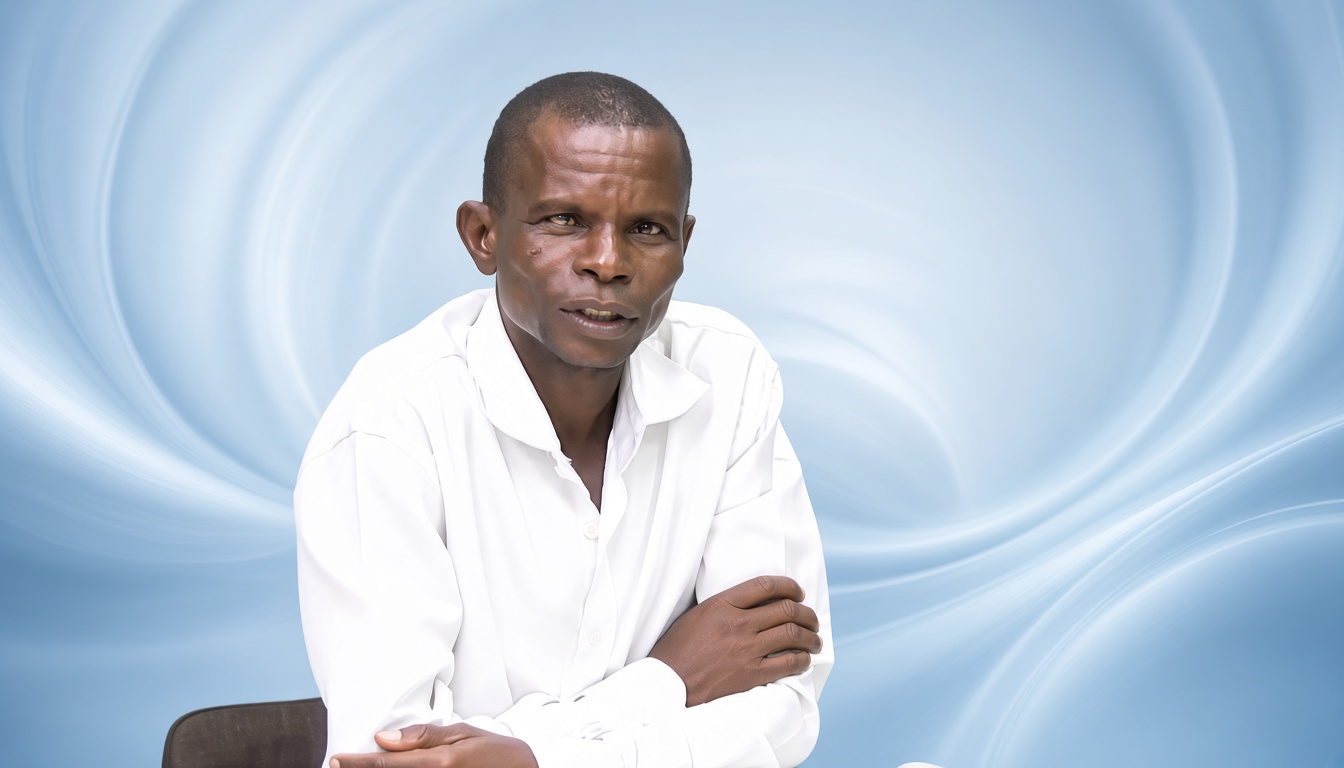
Jacob Nguini stands as a powerful example of living together and republican integration in Cameroon. Born in Abong-Mbang in the East Region (Haut-Nyong department), this journalist-turned-communicator served as the 5th deputy mayor of Bafoussam 1st commune in the West Region from 2013 to 2020.
His election was a strong symbol of political integration, as he was supported by a predominantly local population (Bamiléké). Residents affectionately called him “Monsieur le Maire,” reflecting his deep acceptance within the community.
Analysts and observers of Cameroonian politics often cite his career as proof that the integration of non-indigenous citizens is a peaceful and tangible reality in municipalities like those in the West Region.
Nguini holds a degree from the École Supérieure des Sciences et Techniques de l’Information et de la Communication (ESSTIC, 1989–1990). His commitment to the West Region extended beyond his municipal mandate, as he later served as communication director for the West Regional Council, continuing to contribute directly to the development of his adopted region. His political journey in Bafoussam 1st remains a citizen’s reference, demonstrating how merit and republican values can transcend tribal divides in Cameroon.
Public reaction and commentary
Those clinging to tribalism and narrow identity politics dislike such stories, as they undermine their baseless claims.
Jacob Nguini hails from Abong-Mbang in the Haut-Nyong department but chose to settle in Bafoussam, where he owns a home. He lives there with his wife and children, who attend school in Bafoussam—a city they consider their second home.
Given this deep connection, it was only natural that he was elected in Bafoussam. His presence there is not coincidental.
Beyond his municipal role, Nguini also serves on the West Regional Council as Communication Secretary.
If he had remained in Douala, detractors might have claimed he avoided competition by running elsewhere. Yet even then, his commitment to public service would have remained unwavering.
I encourage every Cameroonian living outside their region of origin to run for elected office in their place of residence. As Cameroonians, it is both a right and a duty to participate in the nation’s development wherever we live.
Be the first to comment








Comments