
Intellectual clash at Dakar’s Cheikh Anta Diop University
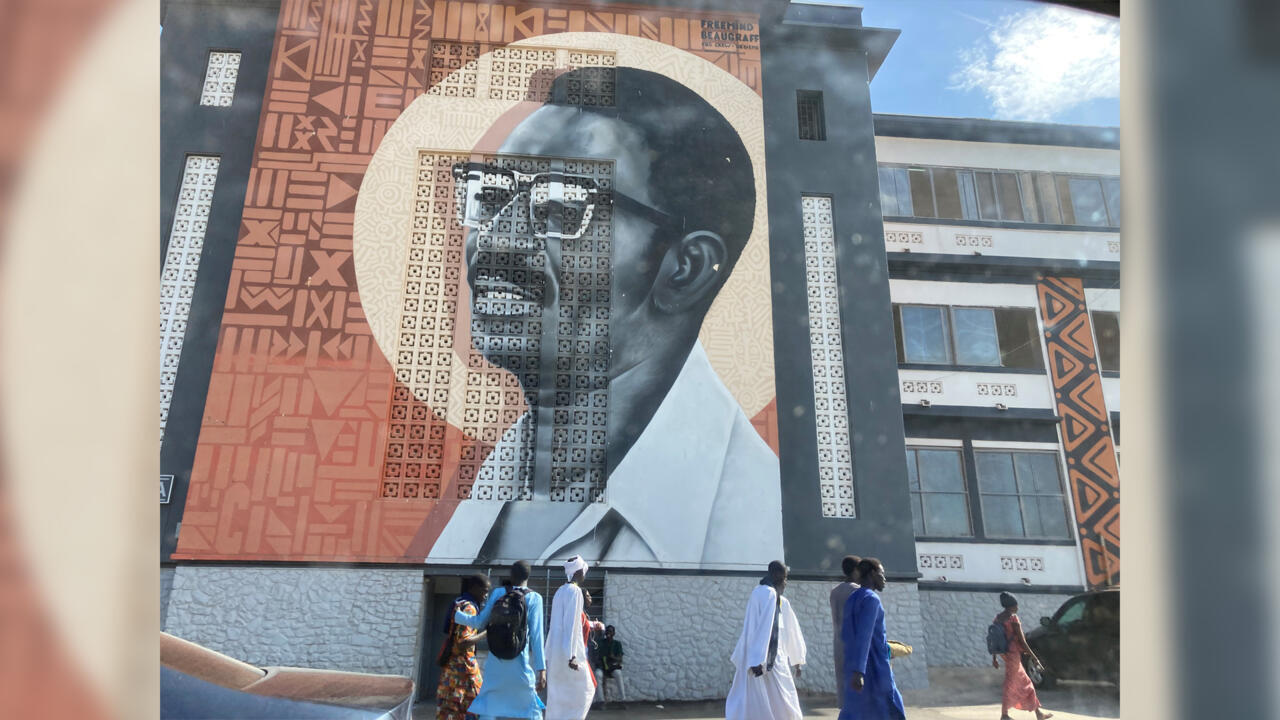
In the 1970s, Dakar’s university became a battleground of ideas. While Léopold Sédar Senghor’s vision of Négritude dominated Senegal’s intellectual landscape, another figure was quietly crafting a radical alternative. Cheikh Anta Diop, one of Africa’s most brilliant minds, was barred from teaching within its walls despite his towering presence in the institution. His name would later grace the university itself, but during those turbulent years, his ideas clashed head-on with the establishment’s orthodoxy.
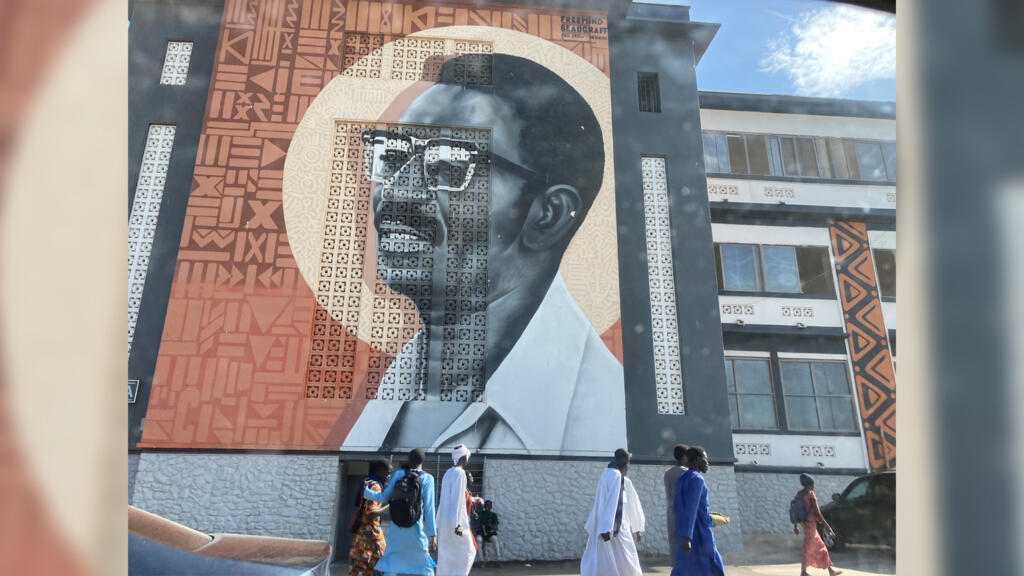
The 1970s Senegalese campus was not merely an educational space—it was a crucible of ideological confrontation. Buuba Diop, a historian who studied there, recalls the atmosphere: “Senghor and the students didn’t see eye to eye. Those who challenged him were the majority. The Socialist Party’s student wing was a minority. That’s why student organizations were dissolved.” Against the backdrop of Senegal’s post-independence identity crisis, two visions of African renaissance collided.
A clash of visions for Africa’s future
Senghor’s Négritude philosophy asserted that “emotion is black, reason is Hellenic.” Cheikh Anta Diop offered a diametrically opposed perspective. His groundbreaking 1955 work Nations nègres et culture argued that ancient Egyptian civilization was fundamentally African, and that any African renaissance must begin with this historical truth. Fatou Sow, a sociologist who attended the university at the time, explains: “The debate over Egypt’s origins was central. Senghor opposed Diop’s thesis. He respected Diop’s intellect but vehemently disagreed with his writings. They engaged in a decades-long intellectual duel.”
Languages and legacy: the unheard advocate
Beyond historical interpretation, the two thinkers also diverged on language policy. While Senghor championed French, Diop advocated for African languages—particularly Wolof. Despite publishing his seminal work in French, Diop remained unable to teach history at the university until 1981. Relegated to the Fundamental Institute of Black Africa (IFAN), he established a carbon-14 dating laboratory, merging nuclear physics with research on African origins.
His rare appearances on campus drew sparse audiences. Fatou Sow recounts one such moment: “The African Historians’ Association organized a conference on ancient antiquity and the Mediterranean. Cheikh Anta Diop wasn’t on the program. Students intervened, insisting he be invited. When he spoke, the room remained eerily silent. He delivered his lecture alone—it was a pivotal moment. It marked the first time he addressed the campus community.”
Diop passed away in 1986 at just 62 years old. A year later, the university—then known as the University of Dakar—was renamed in his honor, as was IFAN. Yet Fatou Sow notes that this recognition came too late. Today, Wolof, the language he championed, remains absent from the curriculum of the university that bears his name.