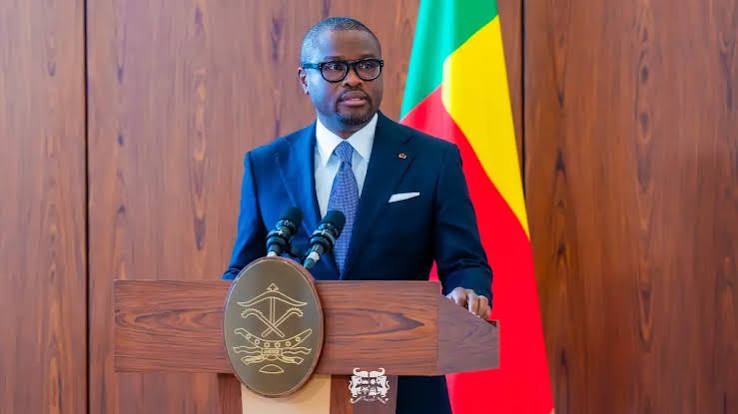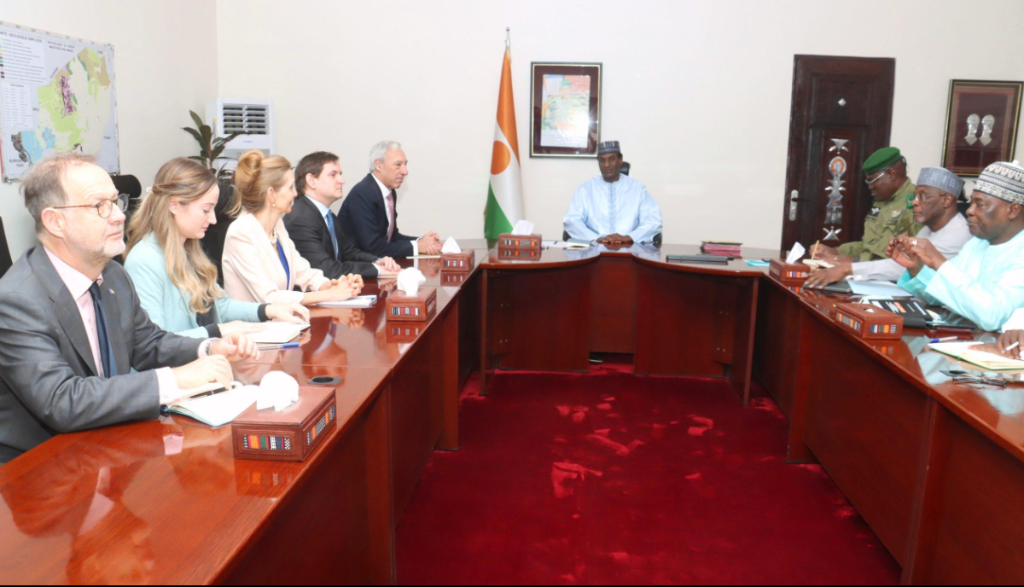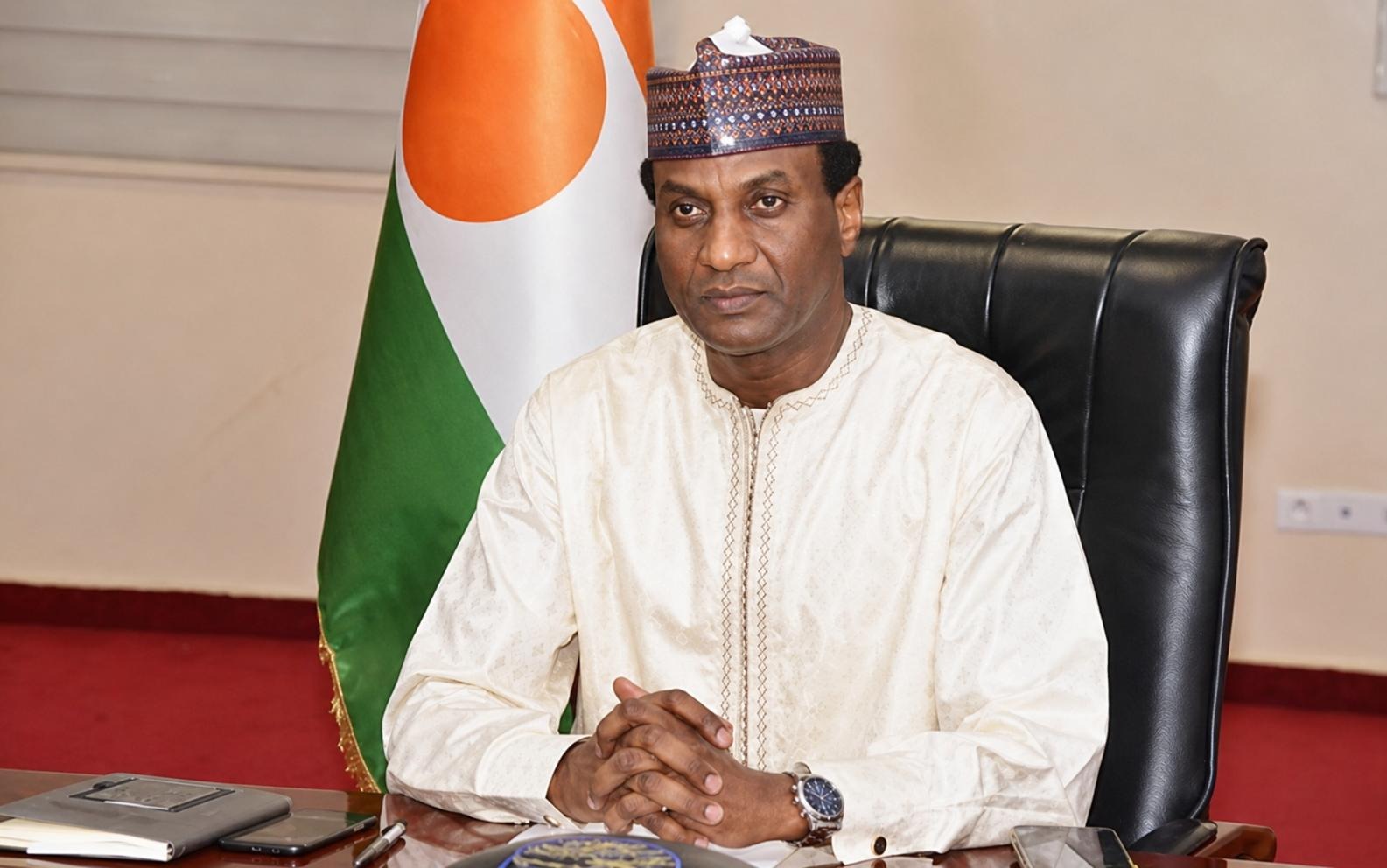
In the shadow of Niger’s military-led transition, the line between trusted collaborator and political suspect can vanish overnight. The case of Prime Minister Ali Mahamane Lamine Zeine has become a stark example of how civilian leaders navigate a landscape where loyalty is policed with increasing vigilance.
Recent developments surrounding Lamine Zeine’s security arrangements have intensified speculation about his standing within the transitional government. According to close observers within the Prime Minister’s inner circle, an atmosphere of unease has taken hold following sweeping changes to his protective detail. His personal security team has been entirely replaced without warning, and even the most routine meetings now require visitors to undergo rigorous physical inspections. While officials attribute Lamine Zeine’s prolonged absence from public duties to a severe bout of malaria, whispers of a quieter, more insidious process—possibly a de facto house arrest—have taken root in the corridors of power.
The absence of transparency has only deepened suspicions. In systems where military actors hold decisive influence, the control of information is a cornerstone of governance. When safeguards around a civilian figure shift from protection to containment, the message is clear: dissent will not be tolerated, no matter how nominal the role.
a pattern of controlled exclusion
The unfolding situation reflects a recurring dynamic in Sahelian transitions: the systematic sidelining of civilian leaders who fail to align with the strategic agenda of military elites. Rather than risking open confrontation through a high-profile dismissal, authorities often resort to gradual marginalization—limiting movement, monitoring communications, and curbing access to decision-making circles. This approach preserves the illusion of institutional continuity while consolidating real power in the hands of the junta.
The strategy offers a dual advantage. It allows the military leadership to gauge reactions from international partners, domestic factions, and public opinion before taking more definitive action. It also serves as a deterrent, sending a signal to other officials about the consequences of straying from the approved line. For Lamine Zeine, the tightening of security measures may be less about preventing an external threat and more about asserting control over a figure perceived as increasingly unreliable.
the fragile mandate of civilian technocrats
Lamine Zeine’s predicament underscores a broader truth about civilian technocrats in military-led transitions. Often appointed to stabilize economies, manage donor relations, or project an image of competence, these leaders operate under a precarious mandate. Their authority hinges not on institutional legitimacy, but on the goodwill—and surveillance—of the ruling military core.
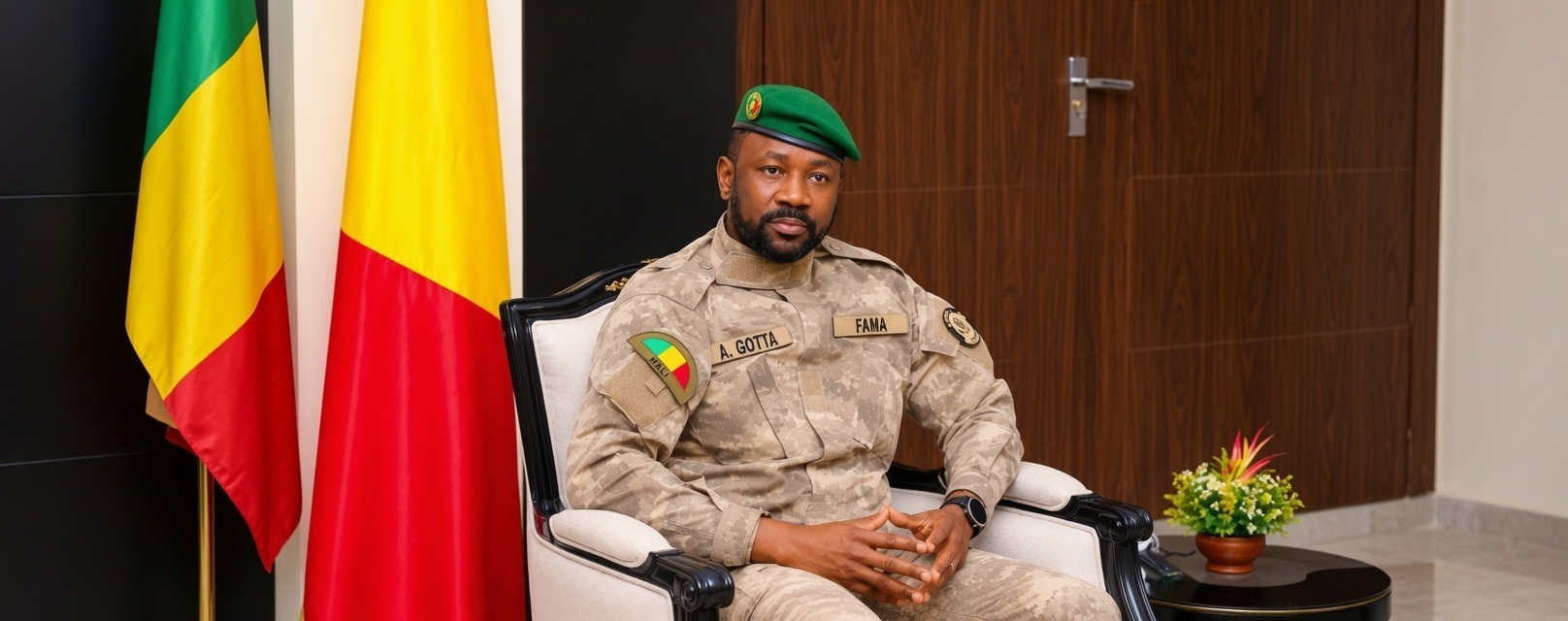
This dynamic is not unique to Niger. Comparable scenarios have played out in neighboring countries under similar transitional arrangements. Figures once positioned as stabilizing forces—whether in Mali or Burkina Faso—have found their roles reduced to symbolic functions, their influence waning as military priorities take precedence. The underlying rule remains unchanged: civilian officials are tolerated only as long as they serve as functional buffers, not as independent voices.
For Ali Mahamane Lamine Zeine, the challenge is no longer about managing policy but about navigating a system where every action is scrutinized and every decision second-guessed. The tightening of security protocols around him is not merely protocol; it is a statement. In regimes where formal titles obscure real power, civilian leaders may occupy high office, but their autonomy is conditional, their tenure contingent on absolute alignment with the military command.
The episode serves as a reminder: beneath the veneer of structured governance in transitional systems lies a stark reality. The power entrusted to civilians is transient, its durability dependent on the whims of those who hold the true levers of authority.