Uncovering the hidden forces behind Mali’s customs shake-up
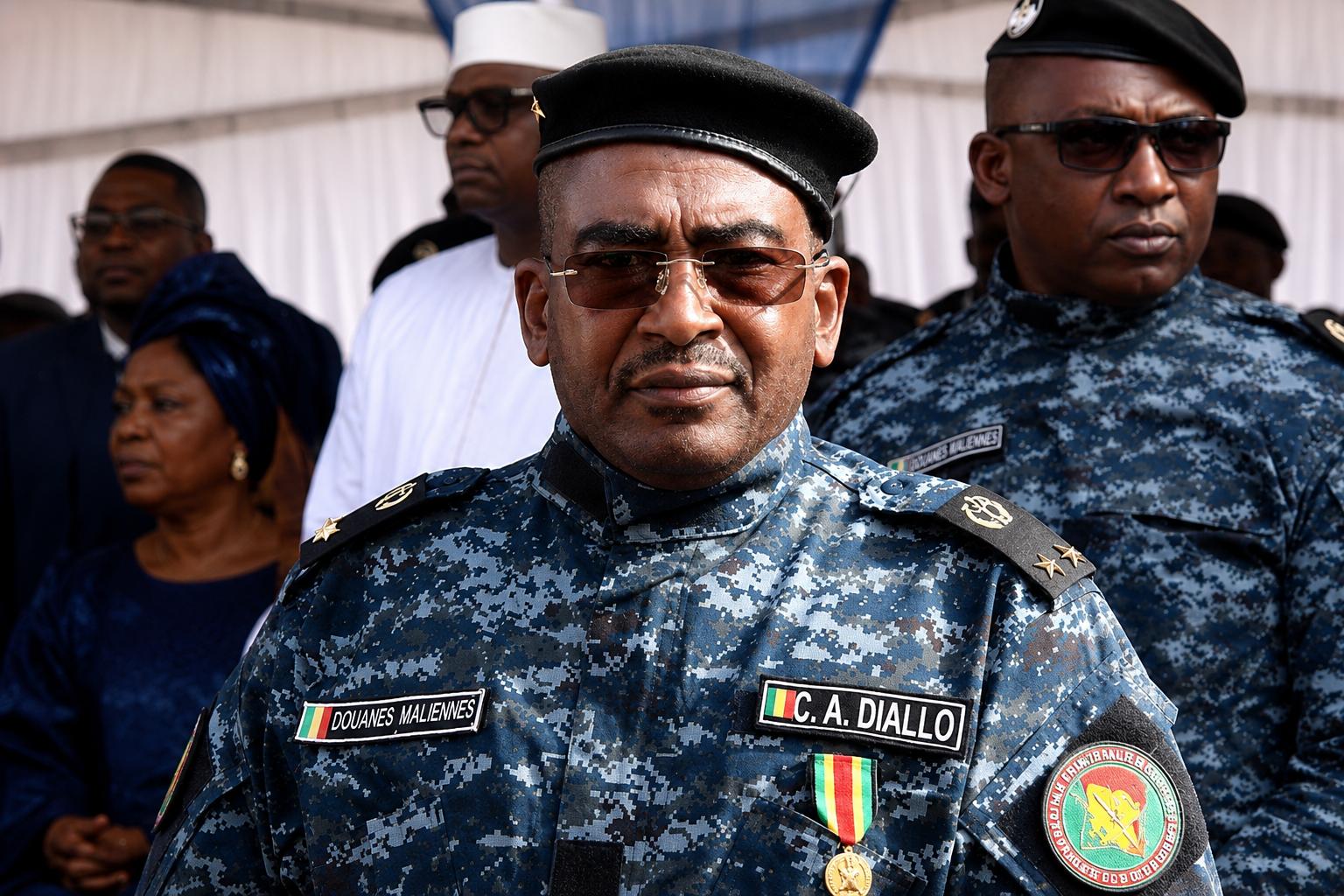
Mali’s customs administration: a chessboard of power and strategy
In a country where every administrative move can ripple through the economy, the Direction Générale des Douanes du Mali stands at the heart of a complex game. Recent waves of appointments and transfers have sent shockwaves through the institution, sparking both official statements and whispered speculations across corridors of authority. Journalist and analyst Fousseyni Sissoko dives deep into this institutional upheaval, questioning whether it’s a genuine restructuring effort or a veiled power play.
Official narratives versus underlying doubts
The government and customs leadership frame the changes as a necessary evolution, driven by economic imperatives. With Mali navigating a delicate transition phase, the argument goes, reshuffling personnel—especially in critical border offices and regional hubs—is essential to bolster revenue collection and combat fraud. The stated goal? Sharpening fiscal efficiency and tightening control over high-stakes trade corridors.
Yet, Sissoko’s analysis urges readers to look beyond the polished surface of these reforms. In an institution where the flow of goods—particularly hydrocarbons and major logistics routes—translates into immense influence, the line between administrative efficiency and strategic repositioning can blur dangerously.
The shadow of internal reckoning
What makes Sissoko’s perspective compelling is his focus on the unspoken dimensions of these changes. By framing the situation as a potential “settling of scores”, he highlights the timing and nature of certain departures. Are these moves a subtle purge, aimed at sidelining figures deemed too independent or tied to past power networks?
In Mali’s current landscape, control over key financial institutions is not just about governance—it’s a matter of sovereignty, security, and internal friction. Swapping experienced officials for profiles more aligned with the prevailing political direction is a long-standing tactic in the state apparatus. Sissoko’s piece exposes this discomforting reality: loyalty and patronage sometimes overshadow technical merit in these decisions.
A stressed institution under scrutiny
Ultimately, this analysis serves as a crucial reminder. The Malian customs service is far more than a tax-collection machine—it’s a stage where power struggles unfold constantly. Whether viewed as a bold reform to secure state coffers or a politically motivated reshuffle, Sissoko’s investigation lays bare the sensitive and high-stakes nature of managing human resources within the country’s financial security forces.