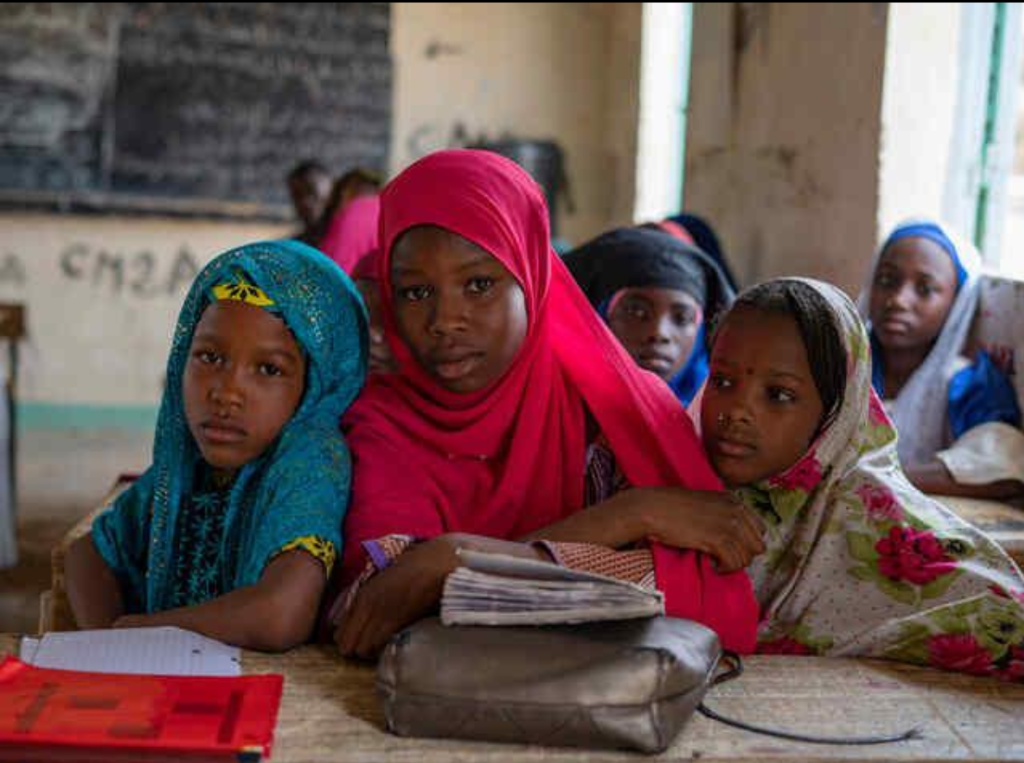
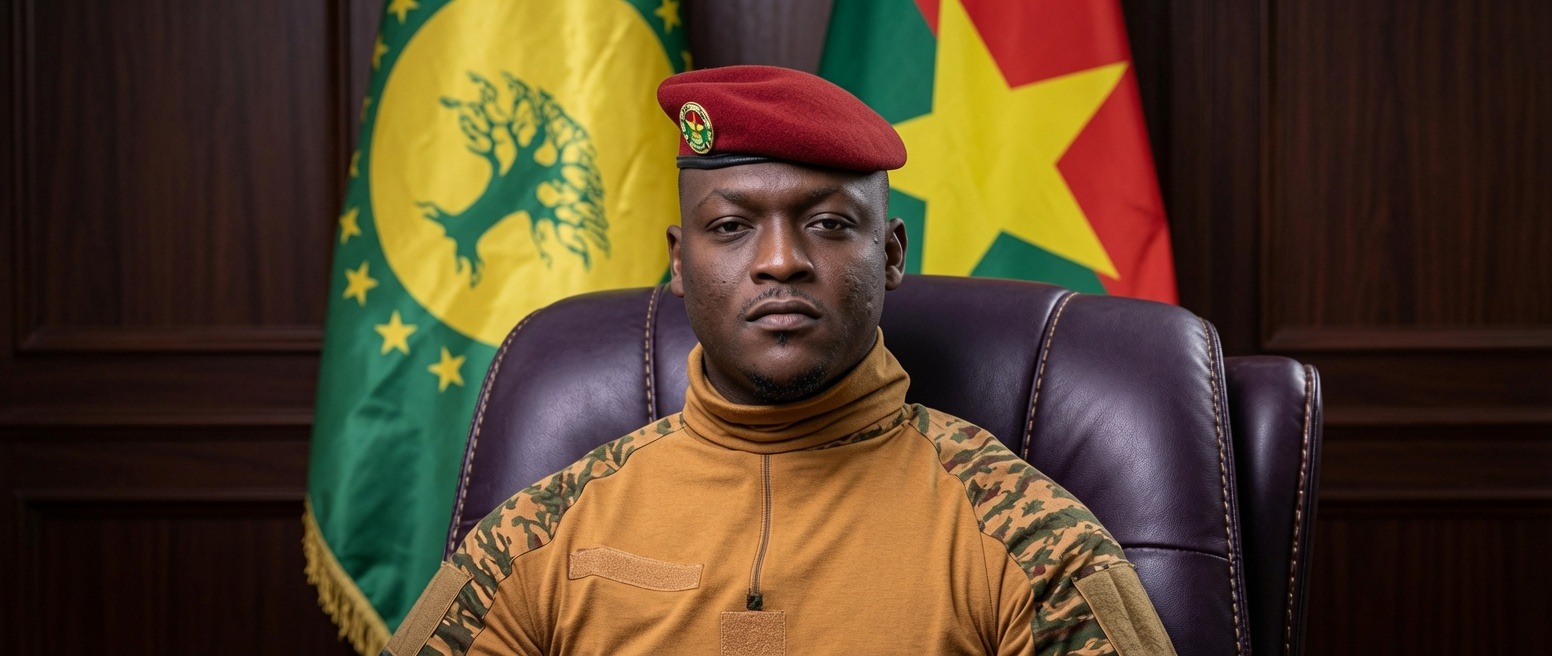
The Burkina Faso transitional government has taken a decisive step in reshaping its strategic partnerships by introducing Russian language instruction in public schools starting next academic year. While authorities frame this move as an educational and economic opportunity, the decision is sparking intense debate about its underlying motives.
An educational gamble with geopolitical stakes
Proponents of the decree argue that mastering Russian will position Burkina Faso’s youth for future collaboration with the Eurasian bloc. With Russia solidifying its role as a key security ally against terrorism, officials present the initiative as a pragmatic investment in the nation’s survival. Yet critics warn that this accelerated pivot toward Moscow may come at a steep cost.
The shadow of cultural hegemony
Behind the official discourse of cultural exchange lies a more troubling question: Is this the first brick in a modern form of dependence? As Burkina Faso distances itself from its colonial past and Western influences, the rapid expansion of Russian involvement—now extending to classrooms—raises fears of merely swapping one external tutor for another. Sovereignty, many argue, should not be redefined through such concessions.
Russia’s soft power play in the Sahel
Historical precedents suggest that language policies are rarely neutral. During the Cold War, the Soviet Union imposed Russian in Eastern Bloc schools to shape compliant elites. Today’s Sahelian context mirrors a familiar manual: by embedding Russian in Burkina Faso’s curriculum, Moscow could cultivate a generation of students fluent in its media narratives and ideological frameworks. The long-term risk? A generation more aligned with foreign interests than national identity.
An unequal partnership
Genuine educational cooperation thrives on mutual benefit. Yet Burkina Faso’s current vulnerability—reliant on Russian military and logistical support—turns this initiative into a one-sided bargain. Forcing a foreign language into schools under such conditions resembles a political quid pro quo rather than a strategic educational choice. The absence of reciprocity in trade, technology, or cultural exchanges further underscores the imbalance.
Cultural erasure vs. national identity
Burkina Faso’s educational system already struggles to prioritize local languages, despite their cultural significance. The sudden emphasis on Russian—an imported language with little relevance to West African realities—raises concerns about eroding national identity. Instead of decolonizing minds, critics argue, this policy may merely relocate the axis of dependence from one foreign power to another.
As classrooms prepare to embrace Russian, the nation stands at a crossroads. Will this gamble secure Burkina Faso’s future or deepen its entanglement in an invisible form of control? The outcome hinges on whether the people can distinguish between strategic partnership and subtle subjugation. One thing is certain: the decision demands unwavering scrutiny to ensure that today’s bold move does not become tomorrow’s silent chains.