From screen to struggle: how one film documents Senegal’s fight for a new dawn
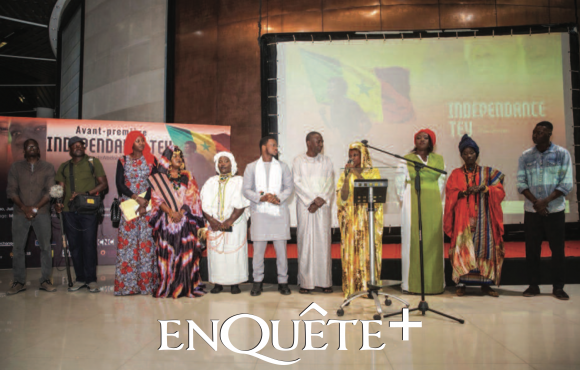
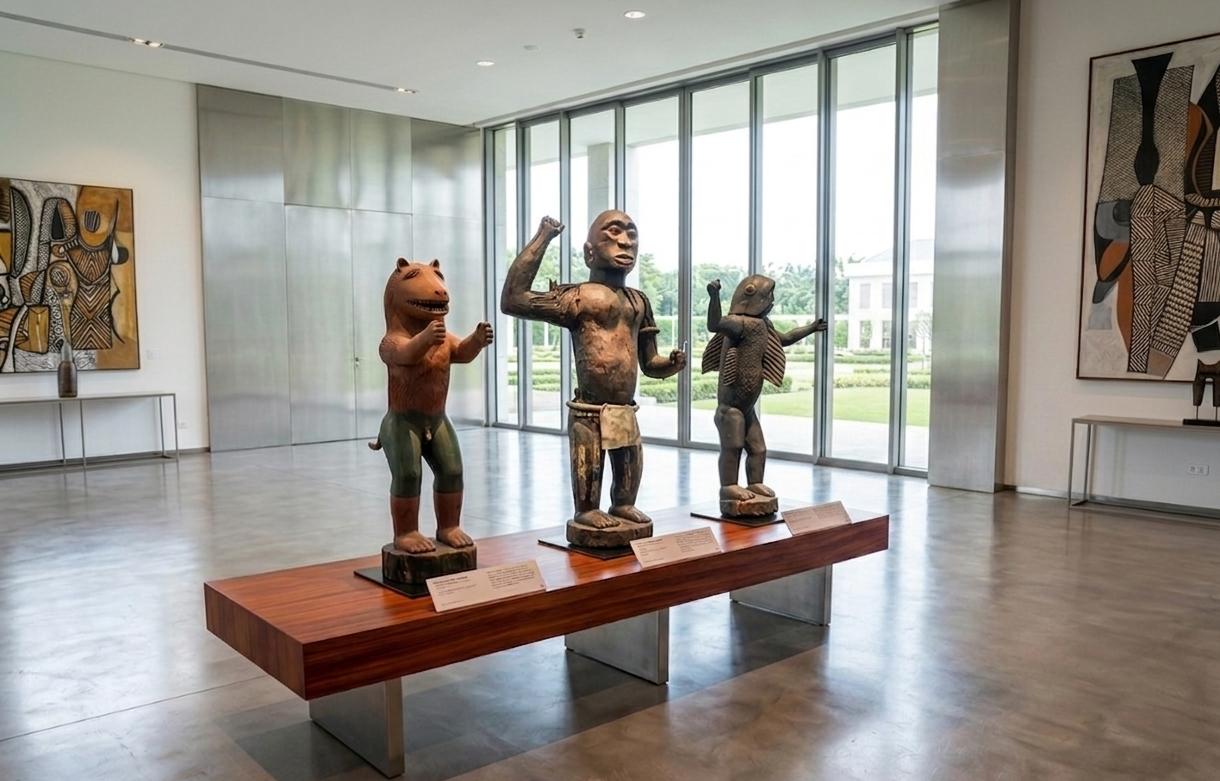
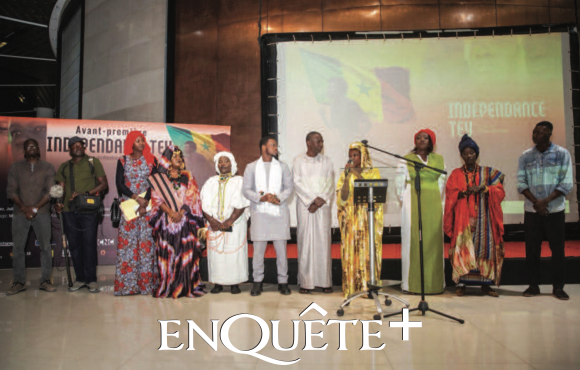
In the heart of Dakar, the Musée des Civilisations Noires became the stage for a cinematic event that transcended mere entertainment. The premiere of Indépendance Tey, the latest documentary by Senegalese filmmaker Abdou Lahat Fall, transformed the auditorium into a space of collective reflection, where art, politics, and generational struggles converged.
The evening opened with a performance by Leuz Diwan G, a voice of protest whose lyrics resonated with the themes of resistance and social justice. His presence set the tone for what was to come—a documentary that would challenge perceptions of Senegal’s recent past and present.
Indépendance Tey marks Fall’s return to the documentary genre after his acclaimed 2018 work, Migrants, migrer : le retour impossible. This time, he immerses viewers in the heart of the FRAPP movement, following four activists—Abdoulaye, Bentaleb, Guy Marius Sagna, and Félix—as they navigate the complexities of political engagement between 2019 and 2024.
Four lives, one struggle
Each of the activists embodies a distinct facet of Senegal’s youth-led uprising. Abdoulaye represents the idealistic youth, driven by a passion for change but forced to confront harsh realities—including exile. Bentaleb’s story underscores the cost of dissent, with arrests and imprisonment marking his journey. Guy Marius Sagna’s evolution from radical activist to institutional politician raises questions about the compromises inherent in political participation. Meanwhile, Félix serves as a bridge to the past, embodying the endurance of those who fought for social justice long before the current generation.
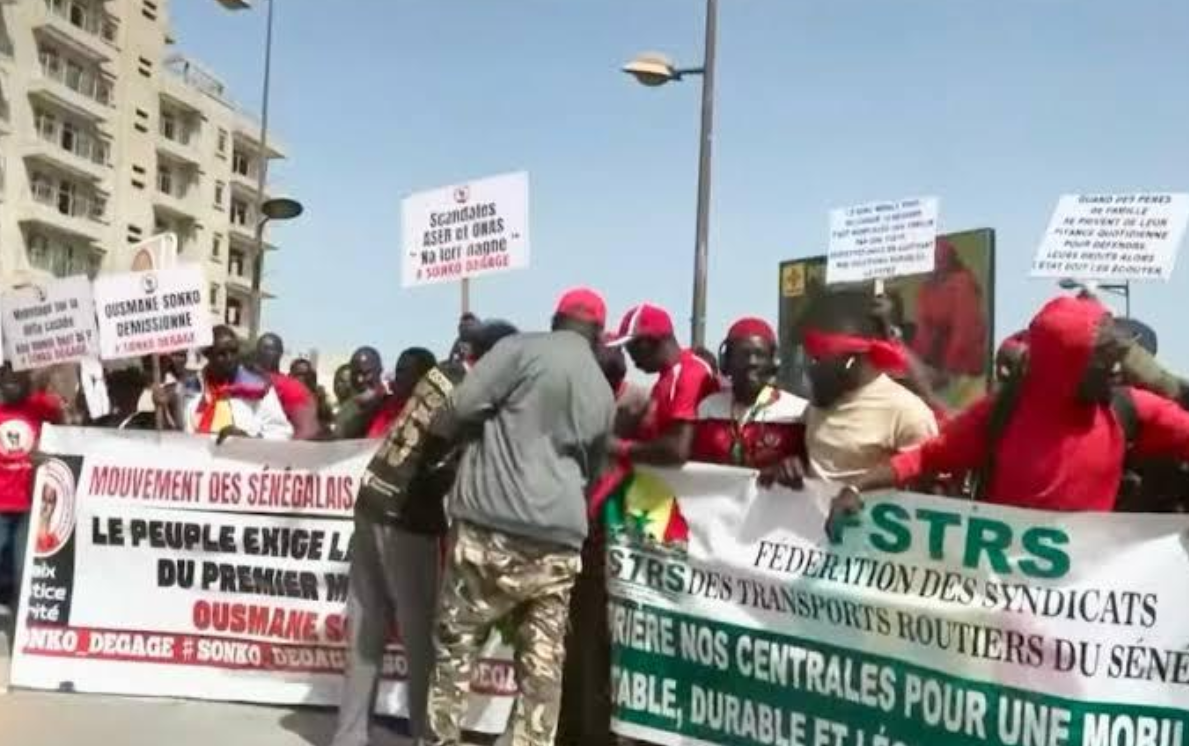
The film traces the seismic shifts in Senegal’s political landscape during this period: from the outrage over oil contracts to the mass protests, electoral tensions, and the eventual transfer of power in 2024. Yet, more than a chronicle of events, Indépendance Tey delves into the personal sacrifices behind the headlines. It explores the fractures within families, the abandonment of academic dreams, and the emotional toll of activism.
The filmmaker’s dilemma: art or activism?
Fall’s documentary is not just a tribute to the FRAPP movement—it is a meditation on the role of the artist amid political upheaval. How does one document a cause without becoming its propagandist? The filmmaker’s answer lies in his refusal to glorify his subjects. Instead, he presents their contradictions, their doubts, and their moments of vulnerability. The documentary’s voiceover occasionally challenges the movement’s decisions, particularly Guy Marius Sagna’s shift into electoral politics, adding layers of complexity to the narrative.
In an era where political documentaries often polarize, Indépendance Tey stands out for its authenticity. There are no dramatic reenactments, no manipulated emotions—just the raw, unfiltered reality of people fighting for a better future. The film’s strength lies in its humanity, making it as much a tool for historical memory as a catalyst for intergenerational dialogue.
A Senegalese story with global resonance
The documentary’s reach extends far beyond Senegal’s borders. Selected for prestigious festivals like Cinéma du Réel and supported by institutions such as the CNC, Fonds Image de la Francophonie, and DocA, Indépendance Tey has cemented its place in the global documentary landscape. Its international acclaim reflects the growing recognition of Senegalese cinema as a powerful medium for storytelling.
The evening at the Musée des Civilisations Noires was more than a film screening—it was a testament to the power of cinema to shape collective memory. For the audience, it was an opportunity to confront the past, question the present, and imagine a future where justice and dignity prevail.
With Indépendance Tey, Abdou Lahat Fall has crafted more than a documentary. He has created a mirror for a nation grappling with its identity, its struggles, and its aspirations. In a world where political movements rise and fall, this film reminds us that the fight for change is not just a matter of policy—it is a deeply human endeavor.