In a dramatic escalation of violence, residents of three villages in Burkina Faso’s Sourou province have been forced to abandon their homes following a 48-hour ultimatum issued by the Group for the Support of Islam and Muslims (JNIM). The towns of Sia, Konga, and Kwarémenguel now stand deserted, their populations scattered in a desperate search for safety just days before the Eid al-Adha celebrations.
a forced exodus under threat of violence
The pattern has become all too familiar in Burkina Faso’s conflict-ridden regions. Armed men, identifying themselves as JNIM fighters, stormed Sia, Konga, and Kwarémenguel with a chilling ultimatum: leave within two days or face summary execution. The message left no room for negotiation—no defense was possible against such overwhelming force, and panic set in immediately.
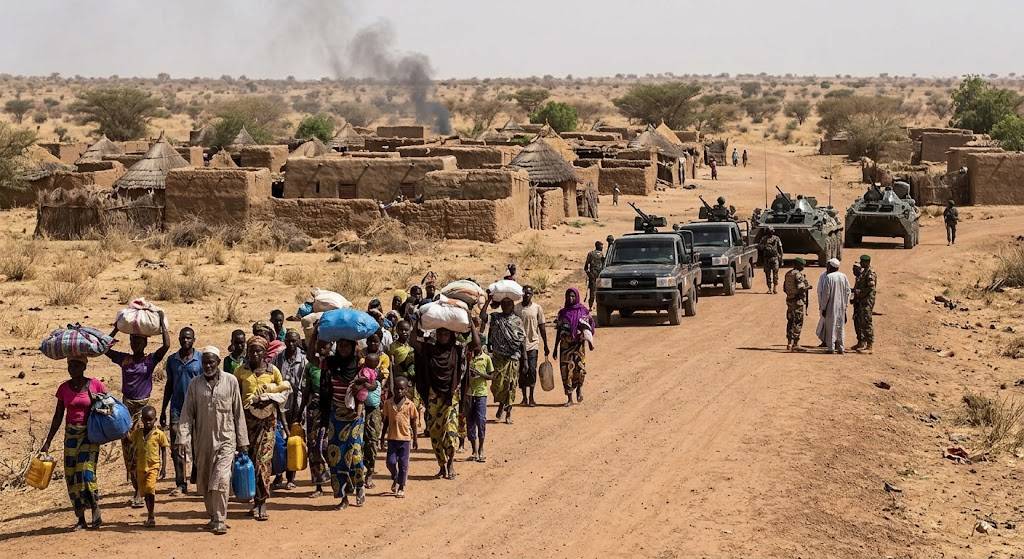
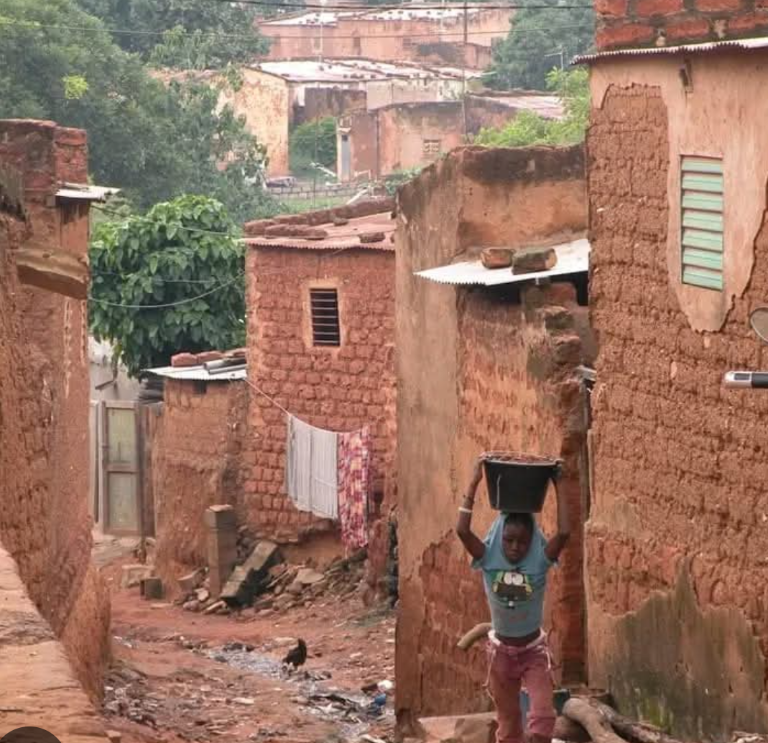
Within hours, homes were emptied, livestock left behind, and belongings hastily packed. Dusty roads that once carried farmers to their fields now bore the weight of thousands of displaced families, their faces etched with fear and exhaustion.
a sacred festival shattered by fear
The timing of this forced displacement could not have been crueler. For the predominantly Muslim communities of Sourou, Eid al-Adha is a time of joy, family gatherings, and shared meals. Yet this year, the celebration has been replaced by sorrow. The tradition of sacrificing a ram, dressing children in new clothes, and hosting communal feasts has been violently interrupted.
Many displaced families now lack even the basics—food, shelter, and the means to honor the holy day. The abandonment of livestock, a vital asset for agro-pastoral communities, has deepened their distress. For these families, Eid al-Adha 2026 will be remembered not for its blessings, but for its hardships.
displacement fuels a growing humanitarian emergency
The mass exodus has overwhelmed surrounding urban centers, particularly Tougan and Dédougou, where displaced families seek refuge under the protection of national forces. Local communities, already stretched thin by previous waves of displacement, are struggling to provide shelter, food, and medical aid. The strain on resources is palpable, and solidarity, though resilient, is beginning to fray under the relentless pressure.
Pregnant women, elderly citizens, and children have borne the brunt of this crisis. Images of families carrying only what they could on their backs—infants in arms, the elderly stumbling along—paint a stark picture of vulnerability. The roads leading to safety are no longer just paths of escape; they are testimonies to a nation’s unraveling.
sourou’s strategic suffocation by armed groups
The Sourou province, nestled in the heart of the Boucle du Mouhoun, has long been a battleground in Burkina Faso’s fight against terrorism. This coordinated ultimatum against Sia, Konga, and Kwarémenguel is not random—it is a calculated move to sever communication lines, depopulate rural areas, and establish lawless zones where armed groups can operate unchecked.
The JNIM’s strategy is clear: drive civilians from their lands to weaken state control and create buffer zones for attacks on military positions. With each village abandoned, the fabric of Burkina Faso’s society frays further. The loss of agricultural land and livestock deepens food insecurity, pushing the nation deeper into crisis.
a nation’s resilience tested by unrelenting violence
This crisis in Sourou is not an isolated tragedy—it is a microcosm of the daily struggles faced by thousands of Burkinabè. The country stands at a crossroads, where military response must be paired with urgent humanitarian aid to reclaim lost territories and restore dignity to displaced populations. As the nation prepares to mark Eid al-Adha in sorrow, its people remain steadfast, but the wounds of displacement continue to bleed.