Côte d’Ivoire advances national language policy in education
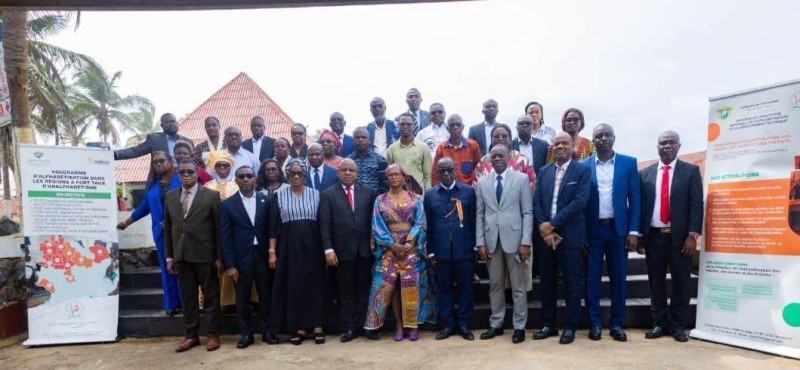
Grand-Bassam recently hosted a pivotal three-day workshop, bringing together educators, linguists, and development partners to lay the groundwork for a groundbreaking educational policy in Côte d’Ivoire. The event, running from July 10 to 12, 2026, focused on presenting preliminary research findings and refining the draft National Language Policy in Education, a critical initiative spearheaded by the Ministry of National Education, Literacy, and Technical Training.
The workshop, held under the leadership of Minister N’Guessan Koffi, marked a significant step toward preserving and leveraging the country’s linguistic diversity within the educational framework. Participants included senior education officials, academic experts, and representatives from technical and financial partners, all collaborating to develop a robust framework that integrates national languages into school curricula.
Preserving cultural heritage while enhancing learning outcomes
At the opening ceremony, Mah Louhan Mamadou, Director of Adult Literacy and Youth Education, emphasized the transformative potential of national languages in improving education quality. “Côte d’Ivoire’s rich linguistic tapestry is not just a cultural treasure—it is a strategic tool to make learning more accessible and effective for all students,” he stated. The government’s push to formalize this policy reflects a broader commitment to educational equity, inclusion, and relevance in an ever-changing global landscape.
The initiative comes at a time when educational systems worldwide confront challenges such as inequitable access, outdated curricula, and the need to prepare students for digital and economic transformations. By anchoring education in local languages, Côte d’Ivoire aims to bridge gaps between formal schooling and community realities, ensuring that no child is left behind due to linguistic barriers.
Key objectives and expected outcomes
The draft policy under review seeks to achieve several ambitious goals:
- Cultural preservation: Safeguarding indigenous languages as vital components of national identity and heritage.
- Inclusive education: Reducing disparities in learning outcomes by making instruction more relatable to students’ lived experiences.
- Enhanced learning effectiveness: Improving comprehension and retention through mother-tongue instruction, particularly in early grades.
- Teacher training: Equipping educators with the skills to teach in national languages while aligning with modern pedagogical standards.
- Community engagement: Involving parents, local leaders, and students in shaping language policies that reflect local needs.
Mabintou Diomandé Cherif, General Secretary of the Inspectorate General, highlighted the urgency of these reforms. “In a world where technology and globalization reshape how we learn and work, languages are the bridge between tradition and progress. This policy will ensure that Côte d’Ivoire’s youth are both rooted in their culture and ready to thrive in the 21st century,” she noted.
The workshop’s conclusions are expected to provide actionable recommendations for finalizing the policy document. Once implemented, the National Language Policy in Education will serve as a cornerstone for inclusive, high-quality schooling—one that empowers future generations while honoring the nation’s linguistic legacy.