DR Congo at un urges action against Rwanda-backed rebels to secure critical minerals
DR Congo at UN urges action against Rwanda-backed rebels to secure critical minerals
- Security
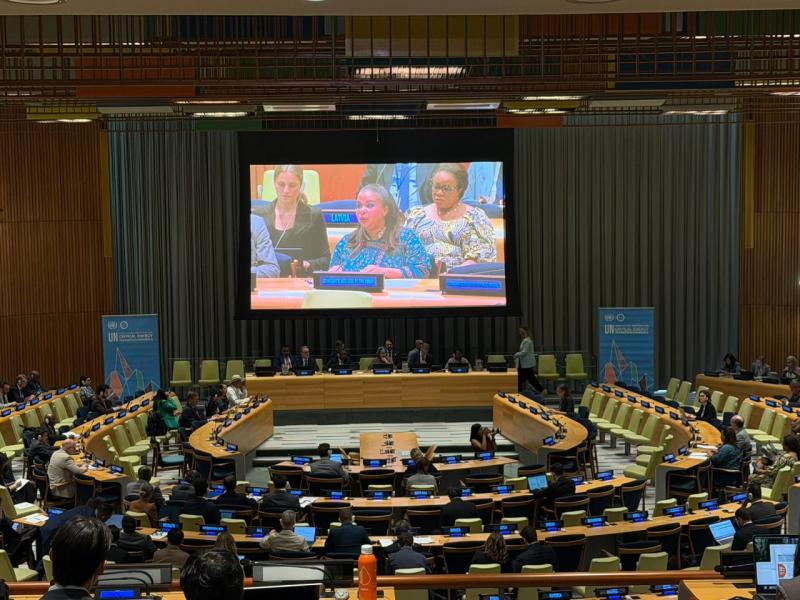
The Democratic Republic of the Congo (DRC) has raised urgent concerns at the United Nations over the unchecked activities of Rwanda-backed armed groups in its mineral-rich eastern regions. Speaking at a high-level UN meeting in New York on Tuesday, July 14, dedicated to critical minerals essential for the global energy transition, DRC officials highlighted the severe security and economic repercussions of illicit mining operations.
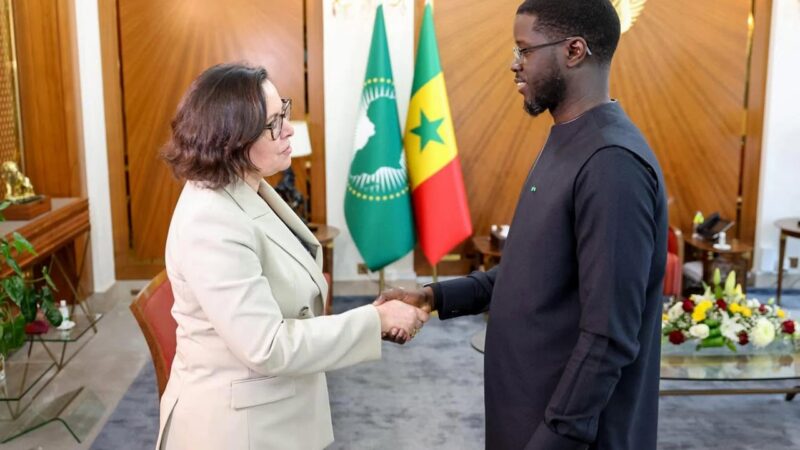
Led by State Minister of Foreign Affairs, International Cooperation, Francophonie, and Congolese Diaspora Therese Kayikwamba Wagner, the DRC delegation underscored that the issue of critical minerals extends far beyond economic considerations for the country. Addressing the UN General Assembly, she emphasized the destabilizing impact of illegal exploitation in regions like Rubaya, a key coltan mining hub, which supplies between 15% to 30% of global tantalum demand.
According to reports from the UN Group of Experts, over 1,400 tons of coltan were clandestinely transported to Rwanda in the year following seizures by the M23 rebel group—a militia widely accused of receiving Rwandan military support. This illicit trade reportedly generated approximately $800,000 monthly for the armed group, directly fueling conflict and undermining state authority in the DRC.
Call for UN sanctions against Rwandan forces
Therese Kayikwamba Wagner condemned the lack of UN sanctions against Rwanda’s Defense Forces despite documented evidence of their involvement in supporting rebel activities. She stated, “While these violations are well-documented, Rwanda’s Defense Forces remain unsanctioned by the UN. This reflects not only a failure to enforce existing measures but also a broader flaw in the international framework, which often treats natural resource governance as purely an economic issue, even when exploitation fuels armed conflict and violates territorial sovereignty.”
Linking resource governance to peace and security
During its current presidency of the UN Security Council, the DRC has advocated for a stronger connection between natural resource governance, conflict prevention, and sustainable peacebuilding. Kayikwamba Wagner stressed the need for a more integrated approach, stating, “The DRC’s presidency is pushing for a coherent framework that ties natural resources to conflict prevention, international peace and security, and shared prosperity. We support the Secretary-General’s guiding principles, but their impact will only be meaningful if they translate into measurable on-the-ground changes.”
Demanding equitable partnerships in the critical minerals sector
The DRC’s foreign minister also called for more balanced partnerships with mineral-rich nations, insisting that responsibility must extend across the entire value chain. She emphasized, “Partnerships must go beyond securing access to raw materials. They should support local and regional value addition, infrastructure development, technology transfer, skills training, industrialization, access to finance, and market access. Responsibility must encompass the entire supply chain—producers, traders, processors, financial institutions, manufacturers, and consumer countries alike.”
Balancing traceability with artisanal miners’ rights