Le Bénin enters a transformative phase in its cultural restitution journey, marking a decisive step forward with the establishment of a national scientific committee on 14 July 2026. This initiative follows the successful return of heritage items from France and aims to bring back 35 additional cultural treasures—including colonial-era archives—further solidifying the country’s leadership in redefining global heritage diplomacy.
Building a future rooted in shared history
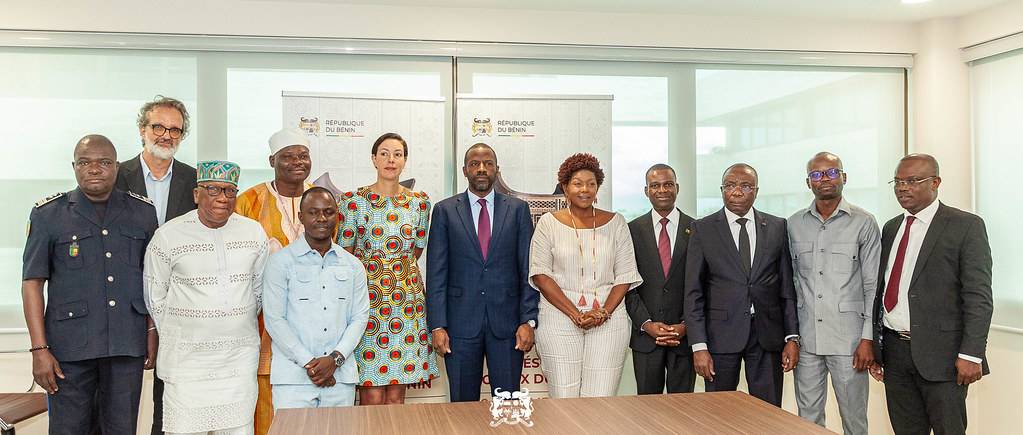
The launch of this committee underlines the Bénin government’s commitment to reclaiming its cultural identity while fostering socio-economic growth. Headed by Alain Godonou, a renowned figure in African heritage preservation, the committee will oversee the meticulous preparation for the restitution process, working in close partnership with a future Franco-Béninese joint scientific commission.
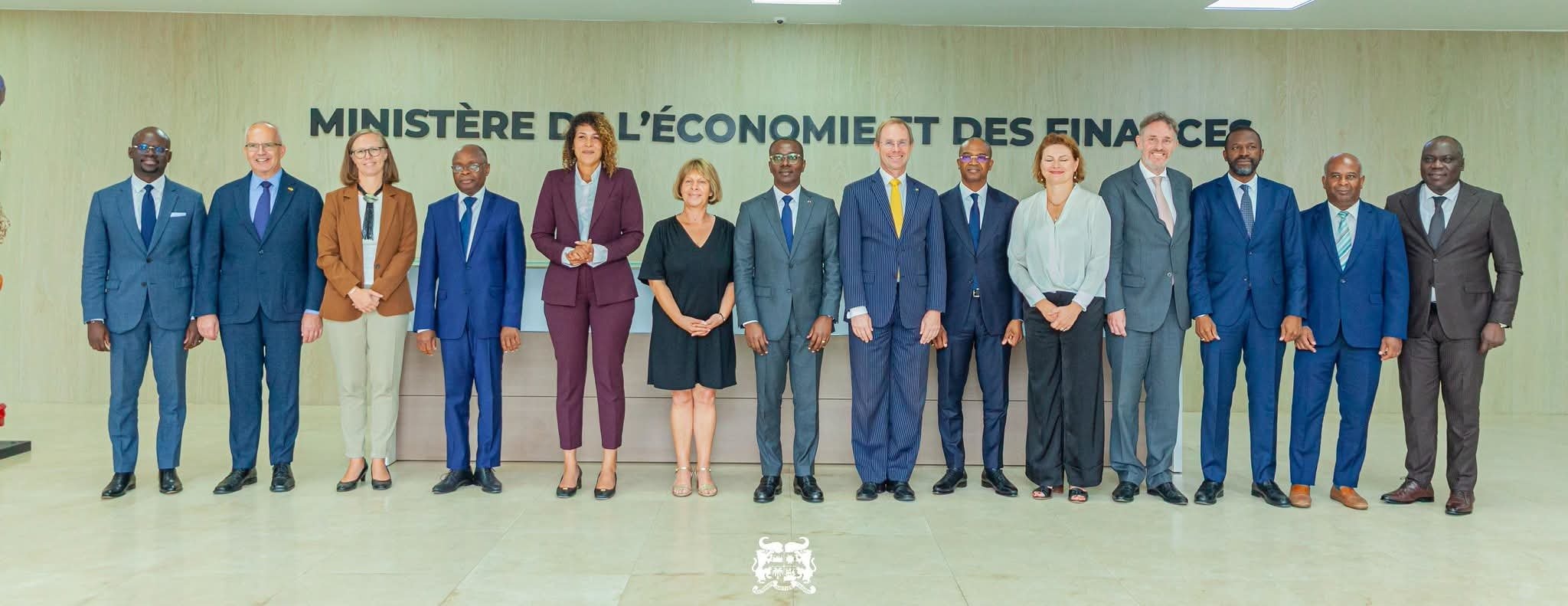
Speaking at the committee’s inauguration, Yassine Latoundji, Minister of Culture, Arts and Heritage, emphasized the sacred nature of their mission: « Your role demands intellectual rigor, independence, collaboration, and unwavering dedication to the public good and historical truth. »
From restitution to economic revival: a cultural renaissance
The Bénin government views this initiative not merely as a moral victory but as a strategic investment in sustainable development. Cities like Cotonou, Abomey, and Ouidah are transforming their cultural sectors into engines of economic growth, generating thousands of jobs in tourism, hospitality, and creative industries.
To ensure these returned artifacts are preserved and celebrated, the country is investing in state-of-the-art infrastructure:
- Musée des Rois et des Amazones (Abomey): A grand tribute to the legendary Kingdom of Dahomey, showcasing its warrior heritage and royal lineage.
- Musée International du Vodun (Porto-Novo): A center dedicated to the global spiritual tradition of Vodun, correcting historical misrepresentations and fostering cultural pride.
- Restoration of Ouidah’s historic forts: Revitalizing key sites linked to the transatlantic slave trade to anchor memory tourism and educational tourism.
A tourism boom driven by cultural rediscovery
The arrival of these 35 new artifacts and archives will significantly enrich Bénin’s museum landscape, creating a ripple effect across the economy. Hotels, restaurants, and local artisans—especially bronze casters, weavers, and woodcarvers—are poised to benefit from a surge in domestic and international visitors. The tourism ecosystem will expand to include specialized guides, transport services, and cultural event organizers, further embedding heritage preservation within the national economy.
The heartbeat of a nation: voices from the ground
Local communities are embracing this restitution with profound enthusiasm. In Cotonou’s bustling Dantokpa Market, artisans like Séraphin, a bronze caster, see the returned objects as more than museum pieces—they are ancestral spirits and stolen knowledge being reclaimed.
« These artifacts are not just objects, » Séraphin shares. « They carry the soul of our ancestors and the skills we lost. Their return is a healing process, and if it brings the world to our workshops, our youth will thrive. »
Students at the University of Abomey-Calavi echo this sentiment. For researchers like Amélie, a PhD candidate in history, the repatriation of archives enables a long-overdue academic revolution:
« Until now, studying our colonial past meant traveling to Paris or Aix-en-Provence. With these archives back in Cotonou, we can finally write our history from our own soil, in our own words. »
A new chapter in Franco-Béninese relations
The timing of the committee’s launch—on Bastille Day—sends a powerful message: this partnership is built on equality, mutual respect, and shared expertise. No longer a confrontation over the past, the collaboration sets a precedent for post-colonial relations in the 21st century.
The roadmap is clear:
- July 2026: Installation of the national scientific committee.
- By December 2026: Finalization of restitution dossiers in collaboration with French institutions.
- 2027: Official transfer of the 35 artifacts and archives.
A model for Africa’s future
The Bénin approach proves that cultural restitution is far more than historical justice—it is a catalyst for political emancipation, national pride, and economic progress. As these treasures prepare to return home, the country demonstrates how heritage can become the cornerstone of a thriving, self-determined future.